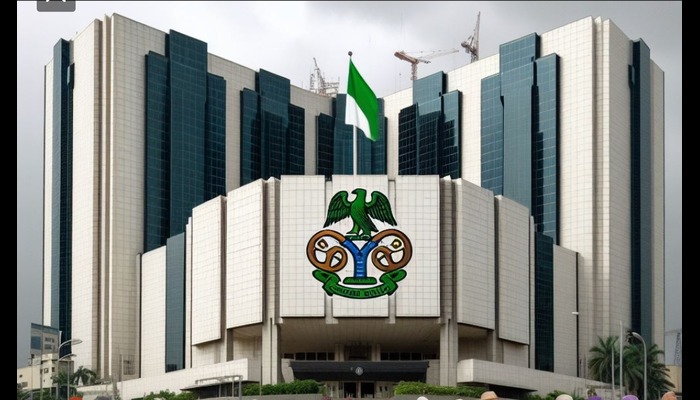
In a widely anticipated decision, the Central Bank of Nigeria (CBN) on Tuesday held its benchmark Monetary Policy Rate (MPR) steady at 27.5%, citing emerging signs of macroeconomic stability and easing inflation pressures, while urging fiscal authorities to scale up foreign exchange earnings from oil and non-oil exports.
The decision, announced by Olayemi Cardoso, CBN governor, after the two-day Monetary Policy Committee (MPC) meeting, reflected a unanimous vote by all 12 members to maintain the current policy stance amid the prevailing uncertain global economic landscape.
“Members weighed the available policy options and were unanimous in their decision to hold policy to enable a better understanding of near term developments,” Cardoso said during a post-meeting media briefing in Abuja.
According to Cardoso, the members noted “relative improvements” in key macroeconomic indicators, including narrowing exchange rate gaps between the official Nigerian Foreign Exchange Market (NAFEM) and the parallel Bureau De Change (BDC) segments, a modest strengthening of the balance of payments, and a sustained decline in inflation.

Headline inflation eased to 23.71% year-on-year in April 2025, from 24.23% in March, while food inflation dipped to 21.26%. Core inflation also declined to 23.39%. Every month, inflation slowed to 1.86% from 3.9% in March, signalling some relief from persistent price pressures.
The CBN governor credited recent fiscal and monetary coordination efforts for the disinflationary trend, but cautioned that these outcomes, while encouraging, remain fragile, as he highlighted lingering risks such as elevated electricity tariffs, fx market demand pressures, and legacy structural constraints.
With the naira stabilising after months of volatility, the MPC urged continued implementation of reforms in the FX market to bolster investor confidence.
Gross external reserves rose by 2.85% to $38.90 billion as of mid-May, offering 7.6 months of import cover.
However, the Committee flagged concerns about recent oil price softness due to surging supply from non-OPEC producers, posing risks to government revenue and the broader fiscal outlook.

In a call to action, the MPC urged fiscal authorities to redouble efforts to boost foreign exchange receipts.
“Particular attention must be paid to unlocking value from Nigeria’s gas, oil, and non-oil export sectors,” Cardoso stated, warning that structural delays and trade-related uncertainties may otherwise undermine gains.
Beyond the MPR, the CBN retained its tight policy framework: the asymmetric corridor around the MPR was held at +500/-100 basis points, the Cash Reserve Ratio (CRR) for commercial banks stayed at 50%, and the liquidity ratio was unchanged at 30%.
The MPC reaffirmed confidence in the resilience of the banking sector, noting continued improvement in key performance metrics.
Cardoso emphasised that the ongoing recapitalisation drive is progressing as planned, with the central bank maintaining strict oversight.
On the growth front, real GDP expanded by 3.84% in Q4 2024, up from 3.46% in the prior quarter, driven by both oil and non-oil sectors, with services accounting for the lion’s share of the expansion.
Yet global uncertainty casts a shadow, especially as the International Monetary Fund (IMF) recently revised down its 2025 global growth forecast to 2.8% from 3.3% in 2024, amid tightening financial conditions and geopolitical tensions.
Against this backdrop, the MPC pledged to keep “close surveillance” on both domestic and global developments and reiterated its commitment to policies that anchor inflation expectations and ease pressure on the exchange rate.
Cardoso noted CBN’s current decisions as critical to consolidating price stability and sustaining investor confidence, as he signalled the apex bank’s continued cautious approach in navigating Nigeria’s complex macroeconomic terrain.