The delay in the resumption of operations by the West African Gas Pipeline Company (WAPCo) is unsettling the benefiting countries as their electricity supply has been grossly affected.
Because of this, the members of the Committee of Ministers of the West African Gas Pipeline: Benin, Ghana, Nigeria and Togo at a meeting held recently expressed dissatisfaction with the inability of West African Gas Pipeline Company (WAPCo) to firmly assure the consumer states the exact date of the resumption of gas supply.
But the company management has assured that reprieve is on the way for the consuming countries as it has declared April 30, 2013 as a tentative date for resuming its supply of gas from Nigeria.
A source close to the company told BusinessDay that the pipeline has been fixed but that the testing of the integrity of the pipeline is currently being carried out to find out if there is any leakage on the pipeline. “We are also pigging the pipeline to clear it of possible debris that may have settled in it.”

The operator of the transnational gas pipeline had lost about N12 billion ($75 million) revenue between August 2012 last year when the gas pipelines was shut down and February 2013.
Read also: How FG’s gas pricing policy disrupts market, leaves consumers energy-poor
The revenue losses by the operator are hugely undermined by the economic losses the three countries which depend on the pipelines for power generation and domestic uses suffer. Ghana, which depends on the pipeline for power production, has started experiencing power cuts due to shortages of gas as a result of the shutdown of the pipelines.
WAGPCo explained that it “stopped all gas deliveries to its onshore stations and is working closely with the government agencies and other relevant organisations to investigate the cause of loss of pressure and to ensure safety while rectifying the situation.”
According to a report on Oil Review Africa, WAGPCo has completed two stages of work and was currently awaiting the final test to resume full operation for supplying gas to plants in Ghana. The first and second stages, termed as replacement and joint testing of the pipeline for integrity, have been completed.

The final exercise, termed as ‘Drying the Line’, will see WAGPCo use hot air to dry the pipeline for free flow of gas through it.
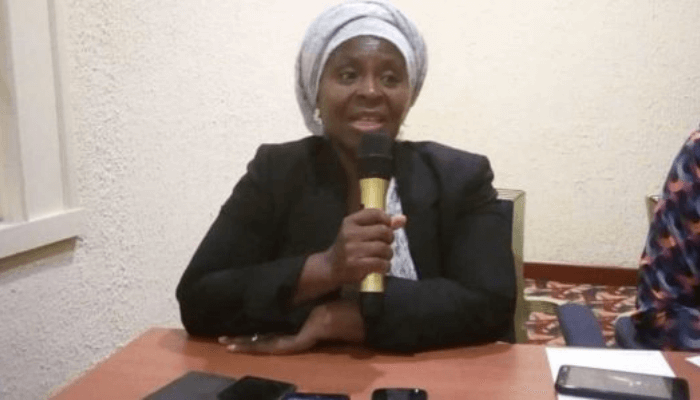
Harriet Wereko-Brobbey, WAGPCo general manager in charge of corporate affairs, said the company had done what was technically known as ‘leak text’ on the two joint damaged pipeline at a different pressure level.
She revealed that divers had to swim 50 metres down to conduct the pressure test. The divers also went with a special equipment to take photograph of the leak text, which she described as a successful attempt.