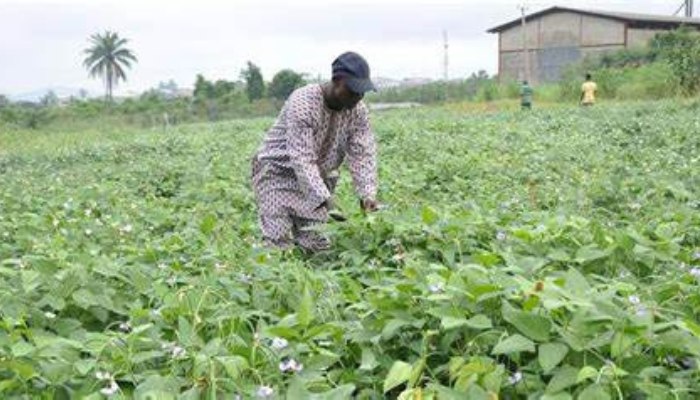
Governor Dikko Radda of Katsina State has promised continued support for farmers with the launch of 20,000 metric tons of fertiliser for the 2025 wet season farming.
The governor made this known during the launching ceremony, which was held on Monday in the Kusada Local Government Area of Katsina.
Governor Radda revealed that farmers would have access to high-quality fertiliser at subsidised rates of N20,000 per bag, which would enable them to improve crop yields and increase their incomes.
“I am confident that our farmers will continue to benefit from our Support. The previous year’s similar initiative had resulted in a significant increase in crop yields and a bumper harvest that improved food security and boosted farmers’ incomes,” said the governor.

The governor also pointed out other agricultural initiatives undertaken by his Administration, including the recent launch of the Katsina State Agricultural Mechanisation Centre equipped with state-of-the-art facilities such as tractors and combine harvesters.
Additionally, the Government distributed 4,000 power tillers and 4,000 solar-powered water pumps to farmers across the State.
“These mechanised farming tools have greatly improved the efficiency and productivity of our farmers, enabling them to cultivate and irrigate their lands more effectively,” the governor added.
Governor Radda encouraged farmers to continue adopting mechanised farming practices and to explore new technologies that can improve their productivity and efficiency.
Earlier, Ahmed Bakori Muhammed, Commissioner for Agriculture and Livestock Development, emphasised that the fertiliser distribution programme represents more than just material support.
“The wet season farming marks a crucial period in our farming calendar, and ensuring timely access to essential inputs like fertiliser is one of the most important steps we can take to empower our farmers,” he stated.

The Commissioner assured that the initiative reflects the Government’s commitment to providing high-quality fertilisers at subsidised rates, ensuring equitable access across all farming communities, and encouraging the adoption of best agronomic practices.