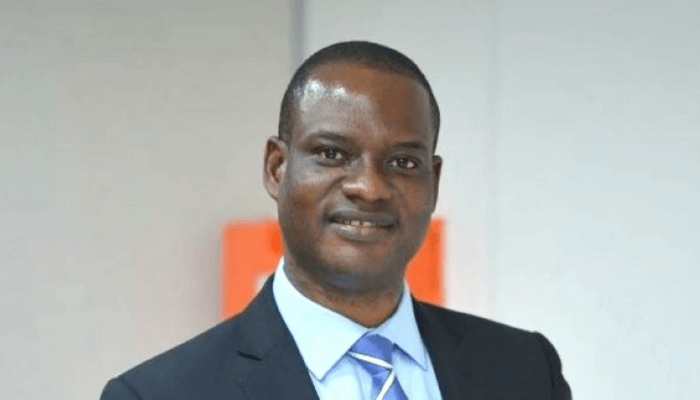
In September 2024, hopes were lifted when Taiwo Oyedele, Chairman of the Presidential Fiscal Policy and Tax Reforms Committee, announced that Value Added Tax (VAT) on public transport would be abolished. Applause followed—not just from commuters, but from advocates of tax justice and economic fairness. The proposed exemptions wouldn’t stop at public transport; other essentials such as unprocessed and semi-processed foods, bread, rent, education, and healthcare would also benefit from a zero VAT rate.
Yet, for Nigeria’s road transport workers, the burden may persist, just in another form.
For decades, the National Union of Road Transport Workers (NURTW)—often referred to simply as “the union”—has operated with near-unchallenged authority, imposing arbitrary levies on drivers across the country. Depending on the route and region, charges can range from N100 to N3,000, and in some cases, as much as N20,000 per day. These charges, informally dubbed “union tax,” are frequently transferred to passengers, undermining the very goal of affordability that the tax reform bill seeks to achieve.
The result is a vicious cycle—one where everyday Nigerians pay more for public transport, while commercial drivers see their daily profits dwindle.

Speaking recently at the BusinessDay Tax Reforms Conference on 22 April 2025, Taiwo Oyedele was candid about the challenge. “We are also mindful of these informal taxes by state actors,” he said. “That process is still ongoing. It’s not something that one class of government can just address. We are engaging local governments, we are engaging states, and of course the federal government as well.”
Read also: Oyedele justifies tax reforms for Free Trade Zones
His comments underscore a critical reality: the tax reform bill, while progressive on paper, is unlikely to put an end to the entrenched system of informal levies meted out by transport unions and local operatives.
Oyedele further highlighted the urgent need to rethink how taxation is implemented, especially for low-income earners and small-scale operators. The ultimate vision, he noted, is a smarter and more accountable tax system—one that taxes actual profit rather than visibility or activity.
“Let’s say I run a logistics business using motorbikes,” Oyedele explained. “Why are you stopping the physical bikes on the road to collect levies? It’s a business I’m operating—why not allow me to complete my deliveries, calculate my profits, and then pay personal income tax accordingly?” he asked, calling out the flawed logic behind taxing activity without due regard for formal earnings.

His remarks reflect a broader concern shared by many in the informal economy: that government policy often fails to distinguish between economic activity and true income. In the case of public transport, the current system penalises visibility over value.
As Nigeria advances its tax reform agenda, the real test lies not in headline announcements, but in implementation. While VAT exemptions on essential goods and services may offer short-term relief, breaking the grip of informal levies—particularly those enforced by groups like the NURTW—will demand sustained political will and deeper institutional reforms.
Until then, commuters and drivers alike may continue to bear the weight of a system that remains, in many ways, unchanged.