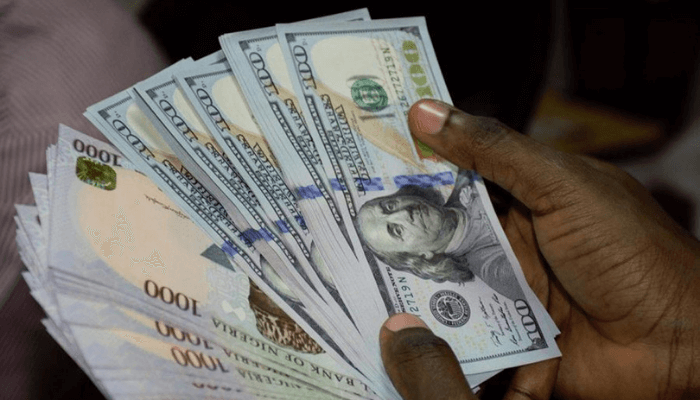
Investors are waiting with bated breath for the release of banks’ 2014 full year results, as analysts predict weak corporate earnings, occasioned by regulatory headwinds and naira devaluation.
Bismarck Rewane, in the current note from the Lagos Business School Breakfast meeting, said banking and consumer stocks are worst hit by the current development and that the sell-off of the banking stocks is not because they are weak, but for liquidity reasons.
“The downturn in the equities market will continue as negative sentiments would dominate, because FY’2014 corporate earnings will be weak,” says Rewane.
Consequently, the banks appeal to investors seeking higher yields is being tempered by concerns over upcoming Full Year earnings.

The country’s five largest lenders by assets have seen their trailing 12-month dividend yields soar to between 9.01 percent and 16.72 percent, amid the persistent sell-off in bank stocks.
Investors have so far largely been unimpressed by the huge dividend yields, as they await clarity from the lenders full year earnings, due in a couple of weeks.
Read also: How GDP rebasing generates demand for good governance
“The attractive dividend yield presents a decent opportunity for investors and one expects to see some level of speculation and bargain hunting in banks with good dividend payment history, as we draw close to release of FY’14 financials,” said Kayode Omosebi, an equity analyst with investment firm, UBA Capital, in a response to questions.
“However, downside risks still persist; the overall market sentiment is still on the low…We also cut our dividend payout expectations across our coverage banks, as banks will retain more earnings to manage liquidity in the face of the tight monetary stance.”

As investors sell bank stocks as part of a broad equity sell-off, their prices decline and the dividend yield, the dividend expressed as a percentage of the stock’s price, rises.
The Nigerian Stock Exchange Banking Index has dropped 20.38 percent this year, reflecting investors anxiety over upcoming bank earnings.
Lenders saw profits crimped in the first three quarters of 2014 from higher reserve requirements, tougher regulations that reduced fees and commissions, and naira volatility and devaluation.
United Bank for Africa (UBA) sports the highest dividend yield of 16.72 percent (Feb. 16), more than the yield on benchmark 10 – year FGN sovereign bonds due 2022 of 16.51 percent.
Other tier – one lender’s First Bank of Nigeria Holdings (FBNH), Access Bank, Zenith Bank and Guaranty Trust Bank, had yields of 16.44 percent, 10.88 percent, 10.28 percent and 9.01 percent respectively.
“The dividend yield levels we are seeing currently, is definitely enticing, however the real deal is about the willingness of the local investors to muster enough courage to take position in the market, given the current macro-economic and socio-political backdrop,” said Abiodun Keripe, Head of Research and Strategy at Elixir Investment Partners Limited.
“I think the locals should understand that this is really not much of a downside risk since principal investments are made in local currency. For the foreign buys, I get a strong sense that a handful of them are looking back into the market at current ridiculous levels and are staking their bets,” Keripe said.
The nation’s pension funds administrators (PFAs) with N4.6 trillion in assets at December 2014 are a potential pool of domestic capital that could come in to buy stocks at these levels.
The PFAs assets held in domestic ordinary shares, fell to 11.79 percent in December, from 12.95 percent in October, according to the most recent data from the regulator PENCOM.
Nigerian stocks currently trade at a price to earnings ratio of 9.2 xs, compared to 17.53x for South Africa and 17.20 for Kenya, according to Meristem securities data.
Nigerian lenders depressed valuations show up in FBNH (the nation’s largest bank by assets) having a price to book ratio of 0.44xs, compared to 1.83xs for Standard Bank group of South Africa.
“A First Bank trading at about N6.48 a share (down from N12 a share barely a year ago) clearly tells me that the market has priced in significant level of company, market and economic risk,” said Keripe.
PATRICK ATUANYA