Lawrence Alaba Afere is the founder and executive officer of Springboard Nigeria. Afere tells JOSEPHINE OKOJIE, in this interview, that Nigeria youths will only find agriculture attractive when there is innovation and mechanisation in the sector.
Can you tell us about the Springboard youth cluster initiative?
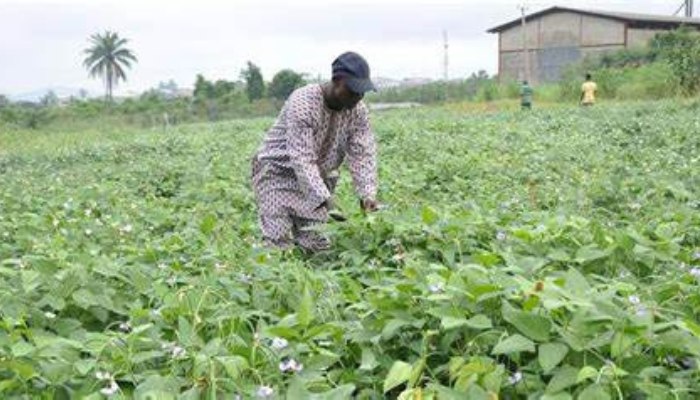
Springboard is a platform of organic farmers. We are a network of producers and rural entrepreneurs. The Springboard cluster initiative is a scheme where young people and rural farmers are trained and empower in farming. Currently, we are working with over 1,500 farmers in our cluster program. This year, we are supporting additional 300 farmers selected from 6 States in the country. We operate in 11 communities in Akure, Ondo state, and we also have operations in Ekiti, Oyo, Kano, Akwa Ibom, and Benue states. We provide our farmers under our cluster program inputs and micro credits and market for their produce by off taking from them and also deploy extension workers across the demonstration farms to provide expertise assistance to the farmers.
The initiative started in 2006, when I read a report about the high number of graduates Nigeria is churning out yearly with less than 30 percent of them finding employment. I never wanted to be unemployed after graduation because then I was about graduating. I began to look out for opportunities to take advantage of immediately after graduation. I realise the potentials in agriculture and Nigeria’s huge gaps in major crop production. I ventured into farming after graduation with some friends and started with plantain production before moving into other crops. Realising the profit in farming, I wanted to assist other youths become employed through agriculture. In the process, I got a scholarship to study entrepreneurship and organic farming in Indian and upon returning I established Springboard Nigeria and the youth cluster farming initiative. With our cluster initiative, we also empower existing farmers with finance to expand their production areas to improve their livelihoods and we empower their wives to start small businesses by providing funds for them at 5 percent interest rate. Currently, we have a total of 500 women under this cooperative. We have an alliance with a manufacturing factory that we supply fibre of plantain to, used in the production of sanitary pads. We intend to have a farm village where we would have our training institute, our nursery and a demo farm for training young people under our cluster scheme. We also have an initiative called – Farm to school – that trains secondary school students on farming through setting up school farms in their schools.

Are you in partnership with any financial institution to provide the micro credits given to the farmers?
We are working with some donor organisations such as the Mitsubishi Corporation Fund for Europe and Africa, Louis Dreyfus Foundation, Ashoka, the United States Embassy, Kanthari, International Institute for Global Leadership, Nelis Japan and others. We get these grants and give micro credit to rural women and farmers at 5 percent interest rate. We also provide our farmers with inputs and tractors. Since starting we have trained and empowered over 3,000 farmers within our network.
You have over 10,000 plantain stances. What are the potentials in plantain production?
The potentials in plantain production are massive. The suckers keep multiplying and the yields increases yearly. Plantain farming is a low capital business and labour because it does not requires much time and money to maintain. It can be processed into chips, flour and the fibre serves as raw materials to manufacturers of sanitary pads. The market for the crop is very huge and buyers are readily available. The wastage in plantain is very minimal and the demand for the crop is very huge. The fruit is an all year crop but gets cheaper during August through December and expensive during March through May.
Springboard also has a cocoa plantation. What are the major issues facing cocoa farming in Nigeria?

Climate change is the biggest issue facing cocoa farming currently in the country. Ondo state is the largest cocoa producing state in Nigeria and its production has been gradually reducing owing to climate change. The rain fall patterns are no longer regular and this is affecting cocoa production. Last year, we planted over 3000 cocoa trees and about 2000 of the trees did not survive because they could not get the required water they needed.
The mid-crop cocoa harvest would soon commence, are we going to see a good output?
Our yields are low and they have further reduced drastically of recent because the trees have not been getting the amount of water required. Most trees were also affected by black pod disease in January. With all this factors, our output for mid-crop is likely to be low.
Why are youths not finding agric attractive and what can government do to change that?
The youths have not seen anything thing on ground that would attract them into agriculture. Farmers in the rural areas are very poor because most of them do not get any value addition since the whole primary production is still entangled in poverty with the issue of low productivity and high time spent on farmlands. This makes youth not to take agriculture as a profession even those that study courses in agriculture.

The crude way of farming in the country is another reason why youths do not find agriculture attractive. Government must develop mechanisation and give the youth access to lands. This way, agriculture becomes more attractive to youths. We need innovation to do farming differently from the older generation of farmers who were mostly entangled in poverty. Government must give assistance to finance and land. No youth wants to go to the rural areas to take up farming because the infrastructures there are poor. The government must provide key infrastructural facilities so that youth can take up agric as a profession. Youth need mechanisation, innovative ways to do agriculture, finance, infrastructure and a guaranteed market for their produce. This is the direction Springboard going for its youth cluster farming initiative and a lot of youths are excited about it and are coming on board.
What are the major challenge affecting agribusinesses in Nigeria?
Nigeria has huge infrastructural gaps and we need infrastructure to grow our agriculture. The roads to the farms are bad and most times not motorable and this has continued to impact our productivity negatively, thereby reducing our profits and impacting our capacity to expand. Lack of quality seeds and seedlings is another major challenge limiting the potentials in the sector.
What is your vision for food production in Nigeria?
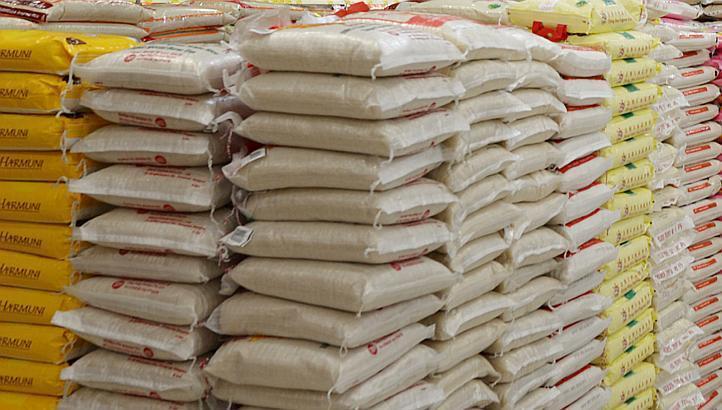
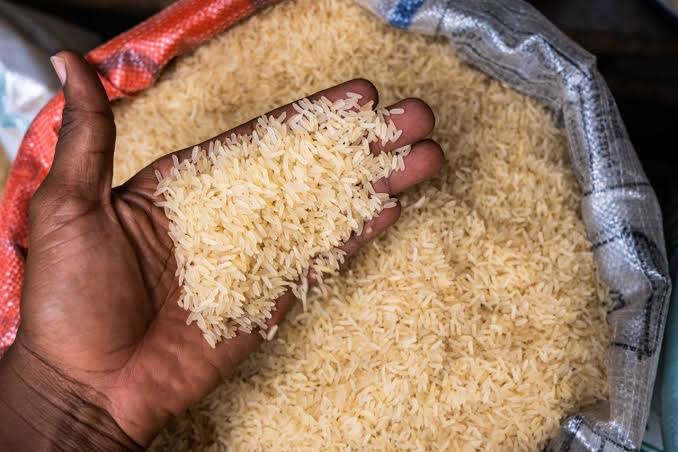
Africa’s largest economy Nigeria is spending 1.3 trillion naira ($6.5 billion) annually importing food, a trend that has come under attack from some of the leading voices in the country’s agriculture sector. With it’s over 84million fertile arable land, Nigeria imports food and basic items (even toothpick!) that the country can conveniently grow and produce. Also, to keep up with increasing demand for food to feed a growing Nigerian population, local farmers have resorted to indiscriminate use of chemicals to produce food for human consumption. If current trend continues, Nigeria ruins its rural areas, exports jobs and erodes incomes of its farmers.
Imagine what would happen if Nigeria began to feed itself
Annually, over $6.5 billion would be in the hands of the enterprising Nigerian farmers and producers! Nigerians would eat nutritious & healthy food; farmers & rural people would become prosperous, healthy and highly compensated for their hard work, rural children would be able to attend school, far-reaching reduction in rural-urban migration, massive jobs would be created for the teeming population of unemployed youth, reduction in crime, and of course, accelerated growth in the Nigerian economy. Yes, we will also be able to produce enough to feed other Nations! This is the Nigeria we see at Springboard! Springboard wants to feed Nigeria one community at a time!