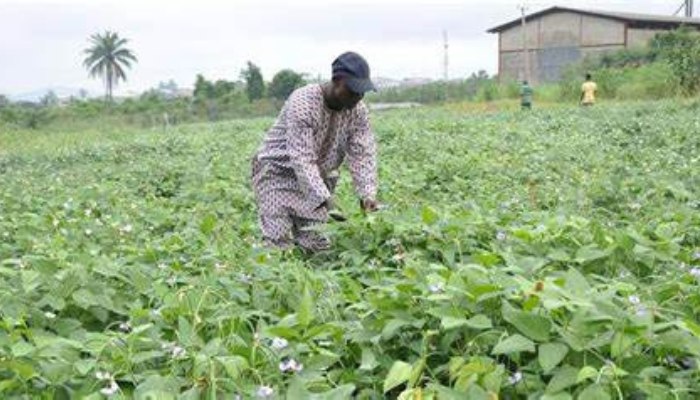
The Akwa Ibom State Government says it has trained 300 youths on how to develop business plans to enable them attract financial support under its Graduate Unemployed Youth Scheme (GUYS) as part of efforts to boost the business of farming.
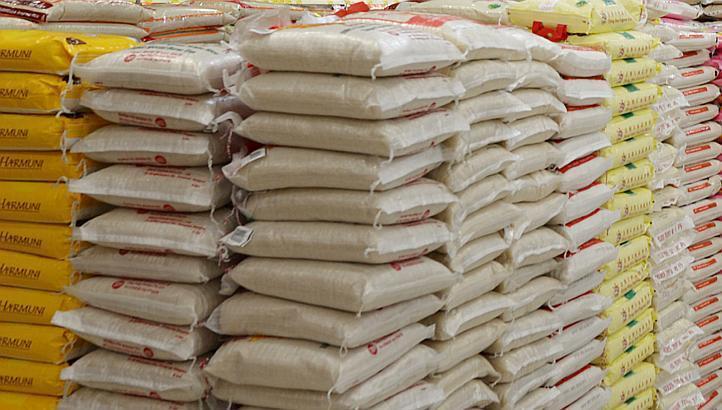
Akwa Ibom State depends on neighbouring states for most of its food needs, with the bulk of the foodstuffs coming from the northern part of the country. Even basic food items like garri and yam are brought into the state from others states, while fish constitutes Akwa Ibom’s main contribution to the nations food basket.
Edet Udoh, chairman, technical committee on agriculture and food sufficiency, in the state, who made this known in an interview, said each of the beneficiaries of the training programme would be given a grant of N1.5 million to enable them kick-start farming business.
“The amount would be released based on the lessons learnt from the mistakes of the past. The beneficiaries will not refund the money, it is a starter pack for them but they will tell us how many people they are going to employ,’’ he said.

Udoh, who is a professor of agricultural economics, said the state government has also provided the beneficiaries with improved varieties of seedlings and stem cuttings, adding that tractors were being given out to the farmers.
According to him, many tractors have been distributed to the farmers. He further maintained that the achievements so far recorded in the sector were as a result of the vision and determination of Governor Udom Emmanuel to adopt a new approach to farming.
In addition to the training programme, he disclosed that the state government has further opened cassava multiplication centres in three locations across the state, in partnership with cooperative societies to ensure sustainability.
“We are developing the capacity of those who are willing to be involved in the new vision about agriculture. We will not treat agricultural input as a social input. The state government cannot fund any programme 100 percent for anyone,’’ he said.
He explained that 850 hectares of land had been put under cassava cultivation last year, while over 200 hectares have been cultivated this year, to ensure that the state reduces ‘importation of garri’ from other states.’

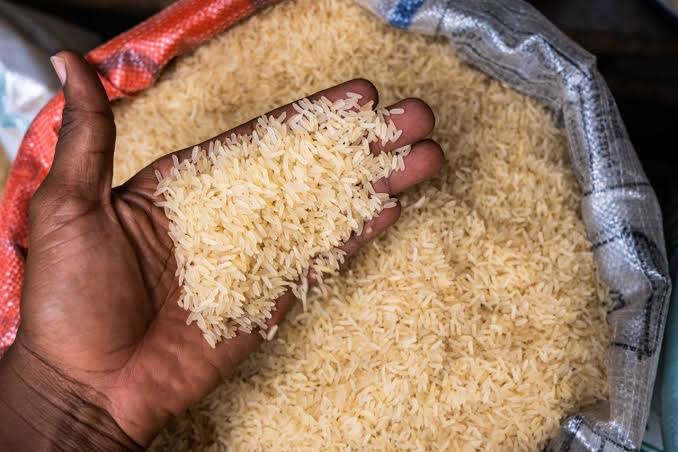
Udoh who noted the potential in agriculture said instead of depending on oil revenue for development needs, the state has the capacity to increase its yield in many farm products, including rice and cocoa, adding that there are plans to increase rice output from 1.2 tons per hectare, to 6 metric tons per hectare, under the pilot scheme.
He regretted that though agriculture is seen as a low class job meant for old people, the state government has concluded plans to reach one million farmers in providing them with inputs, including the cultivation of plantain and providing them with suckers.
He explained that cooperative farming would enable the state to increase its yield significantly, in addition to public private partnership, to boost large scale farming in the state.
A NIEFIOK UDONQUAK, Uyo