Philanthropists have been urged to support the less privileged with palliatives to ease the financial burden of Ramadan.
Imam Ibrahim Ahmed, who stated this in Ilorin while delivering a sermon stressed the need to assist those observing the fast, especially in view of the prevailing economic hardship.
Ahmed, lamented the recent hike in the prices of foodstuffs, particularly grains and other essential commodities, noting that many families are struggling to cope.
He, also cautioned traders against exploiting consumers during the holy month, urging them to fear Allah and be fair in their dealings.

“We appeal to our sellers to fear Allah. Why is it that every year, we see the prices of beans, corn, and other food items commonly consumed during Ramadan increase? This is unfair. Just a week before Ramadan, prices were relatively stable, but now they have changed.
“We should not make life difficult for others in the quest to get rich. Even at the previous prices, not everyone could afford these items, let alone now that prices have gone up.
“Government should please come to our aid during this period. We have people who resort to begging for money or food to break their fast. That shows the level of poverty some individuals are experiencing,” he explained.
The cleric also prayed for peace and security, asking God to eliminate criminal activities in Kwara State and Nigeria at large.
A market survey conducted by our correspondent revealed a sharp increase in the prices of staple foods. A bag of rice, which sold between N50,000 and N52,000 before Ramadan, now costs between N68,000 and N70,000.

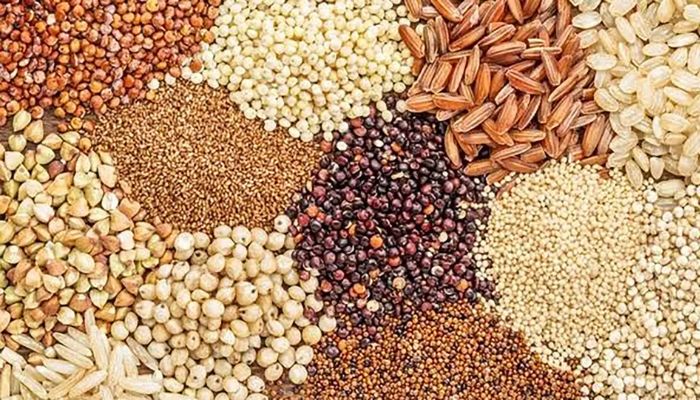
Similarly, a paint rubber of beans, previously sold for between N2,500 and N3,000, is now priced at N4,500. Guinea corn, sorghum, and maize are sold between N1,600 and N1,800 per measure, while dates have also recorded a slight increase. Now, it cost around N4,000 per measure while a rubber of sugar now sells for about N2,800.
Speaking at the Oja-Oba Central Market in Ilorin, Rahmat Salman, a foodstuff seller, attributed the price increase to rising wholesale costs.
“We sell based on what we buy. Things are no longer the same as before. A bag of beans is N90,000, while a bag of maize costs N40,000 now. So it is not our fault, we do not inflate prices if the wholesale cost remains low,” she explained.
Another Muslim, Saratu Huruna, who was seen buying maize, expressed concern over the rising cost of food.
“I could only afford eight cups of maize, which cost me N600. I don’t understand why things are becoming more expensive now. Even during December and January, when we usually expect inflation, it wasn’t this bad. Why is it happening during Ramadan?” she asked.
Despite the hardship, she expressed gratitude for witnessing another Ramadan, saying, “It has not been easy, but we thank God for sparing our lives to see this year’s Ramadan.”