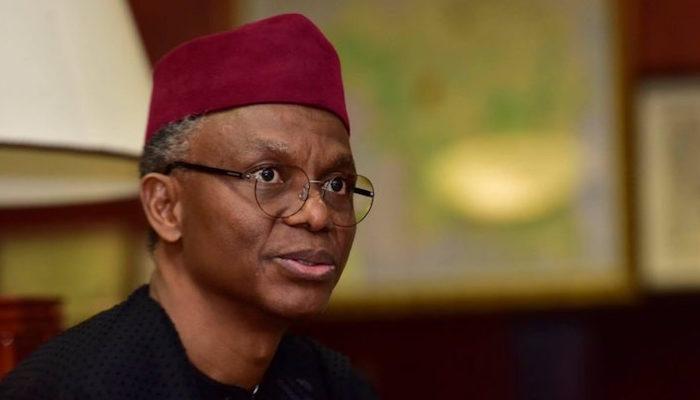
The family of former Kaduna State governor, Nasir Ahmad El‑Rufai, has rejected allegations by the Independent Corrupt Practices and Other Related Offences Commission (ICPC) that phone-tapping equipment was recovered during a search of his property, describing the claims as false and politically motivated.
In a statement issued on Monday by his son, Mohammed Bello El‑Rufai, a member of the House of Representatives representing Kaduna North Federal Constituency, the family accused the anti-corruption agency of spreading misinformation and attempting to prosecute what it called a “media trial.”
The statement followed reports attributed to ICPC sources alleging that sophisticated surveillance equipment was discovered during a search linked to an ongoing investigation involving the former governor.
However, the family insisted that no such devices were found, maintaining that the items recovered during the search were limited to old personal mobile phones, flash drives and laptops.

“We were present when the items were seized. No equipment resembling phone-tapping devices or sensitive security documents was recovered,” the statement said.
The family also criticized the ICPC for suggesting that El-Rufai’s refusal to respond to investigators amounted to non-cooperation. According to the statement, the former governor was exercising his constitutional right to remain silent, a protection guaranteed under Nigerian law.
Read also: Presidency seeks probe, sanctions over El-Rufai wiretapping claim
The statement further quoted El-Rufai as challenging authorities to formally charge him if there was credible evidence against him, insisting he had been under investigation for more than two years without any formal charges filed.
In addition, the family alleged that the search warrant used during the operation was improperly obtained. They claimed the warrant was fraudulently issued by a magistrate who allegedly acted outside the proper jurisdiction of the Federal Capital Territory High Court.

According to the family, their legal team has already filed a court challenge against the warrant, arguing that any evidence obtained through what they described as an illegal search would be inadmissible in court.
“The foundation of the investigation is defective because the warrant was allegedly forged and improperly issued,” the statement said.
The family also accused the ICPC of attempting to damage El-Rufai’s reputation through what it described as “false and defamatory statements,” adding that legal action would be pursued to contest the allegations and the search operation.
They expressed confidence that the Nigerian judiciary would determine the matter based on the rule of law rather than public speculation.
The ICPC has yet to issue a formal response to the claims made by the former governor’s family.
El-Rufai served as governor of Kaduna State from 2015 to 2023 and has remained an influential figure in Nigeria’s political landscape since leaving office.
The dispute marks the latest development in tensions between the anti-corruption agency and the former governor, as investigations into alleged wrongdoing continue.