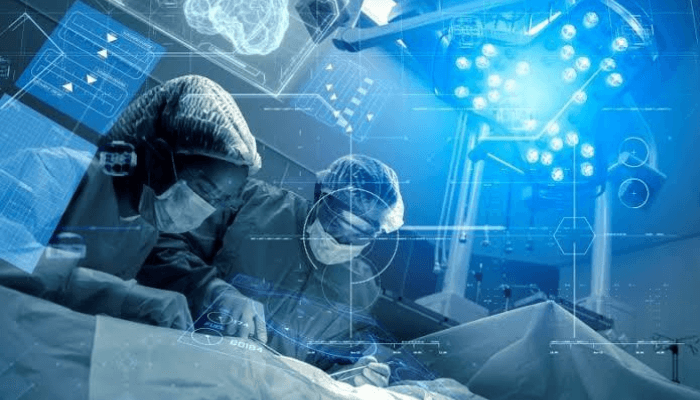
The Kano State Government has placed healthcare at the centre of its 2026 fiscal plan, earmarking N214.8 billion for the sector in what officials describe as a decisive push to expand access to quality and specialised medical services across the state.
Abdullahi Shanono, Commissioner for Budget and Planning, disclosed this during a press briefing on the 2026 budget framework, outlining key interventions designed to strengthen public health infrastructure and improve service delivery.
Among the flagship projects is the completion of the Cancer Centre at Giginyu, a long-awaited facility expected to reduce the burden on patients who currently travel outside the state for oncology treatment. The government also plans to construct new intensive care units (ICUs) in selected hospitals and upgrade several primary healthcare centres to general hospitals to widen access to secondary care services.
Maternal and child health programmes will be expanded under the new budget, alongside statewide medical outreach initiatives aimed at reaching underserved and rural communities. In a move to enhance emergency response, the administration has also provided for ambulances in all 44 local government areas of the state.
Beyond health, the 2026 budget makes substantial provisions for education, agriculture and rural infrastructure as part of what the government described as a comprehensive development agenda.

In the education sector, the government will establish Computer-Based Test (CBT) centres across the three senatorial zones to improve examination processes and digital access for students. Funds have also been allocated for the renovation of damaged educational facilities and the sustenance of free education programmes across the state.
The budget further provides support for teaching materials in Arabic and Islamic schools, underscoring the administration’s commitment to inclusive education that reflects the state’s socio-cultural realities.
Agriculture and rural development received N26.36 billion to support food security initiatives, fertiliser distribution, irrigation systems and livestock development programmes. The allocation comes amid rising concerns over food inflation and the need to boost local production.
To complement agricultural investments, the government has earmarked over N64 billion for water supply and rural infrastructure projects. These include expanding access to potable water, improving rural electrification and constructing and rehabilitating road networks to ease movement of goods and services within communities.
Shanono emphasised that the 2026 budget was deliberately structured to consolidate ongoing reforms and deliver measurable socio-economic impact. According to him, the administration is focused on disciplined implementation to ensure that allocations translate into tangible improvements in the lives of residents.

He expressed confidence that with prudent management and sustained oversight, the budget would drive improved living standards, strengthen critical sectors and expand economic opportunities for citizens across Kano Sta