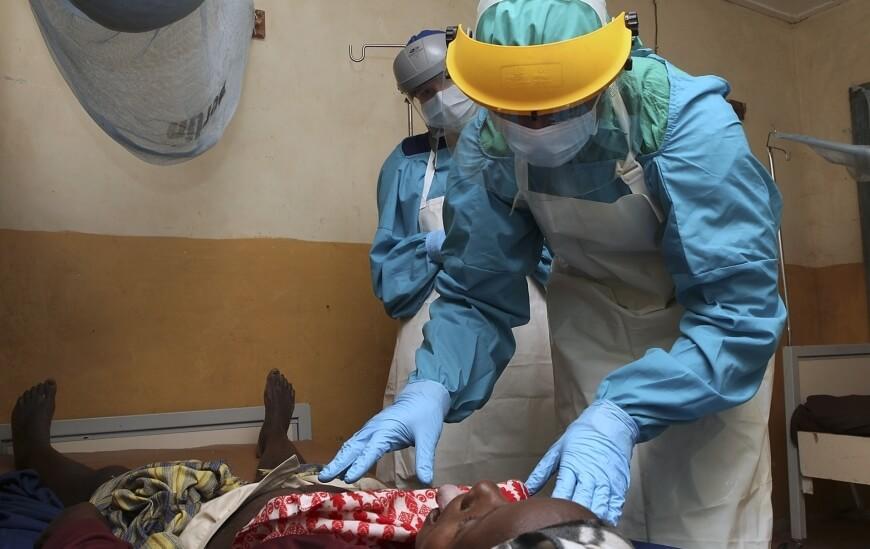
The Nigeria Centre fo Disease Control and Prevention (NCDC) has confirmed 70 deaths from the ongoing Lassa fever outbreak in Nigeria, with infections continuing to rise, particularly among healthcare workers.
Jide Idris, Director-General of the Agency, who disclosed this on Friday, also raised concerns over what he described as a sharp increase in healthcare worker infections.
He highlighted some of the factors driving this increase in health worker infection to include poor infection prevention and control practices in hospitals within high-burden locations and a low index of suspicion where healthcare workers do not suspect Lassa fever when patients present symptoms.
Read also: Kano confirms Lassa fever death, two infections as health authorities trace 62 contacts

“Even when healthcare workers are exposed and fall sick, some delay seeking treatment due to fear of stigma. There are also persistent misconceptions, fear, stigma, and occasional referral refusals, which lead to delayed care-seeking,” he added.
Addressing concerns on rising cases and fatalities across the country, the director-general attributed exposure risks in hot spot communities to environmental and behavioural factors, particularly in high-burden areas where rodent-human contact was common.
The latest NCDC situation report for epidemiological week 6 shows that the number of new confirmed cases rose sharply from 44 in week 5 to 74. These cases were reported across Taraba, Ondo, Bauchi, Edo, Benue, Nasarawa, Kogi, and Ebonyi states. Rhe report indicates a Case Fatality Rate (CFR) of 21.3%, higher than the 19.4% recorded during the same period in 2025.
So far in 2026, ten States have recorded at least one confirmed case, spanning 42 Local Government Areas. The majority of cases (89%) are concentrated in Bauchi (38%), Taraba (22%), Ondo (20%), and Edo (9%), while the remaining 11% are reported from six other affected states.
Read also: NCDC raises alarm as lassa fever kills two, infects 15 health workers

The outbreak primarily affects young adults, with the predominant age group being 21-30 years.
The NCDC reported that two new healthcare workers were infected during week 6, highlighting ongoing risks.
To strengthen response efforts, the NCDC said the National Lassa fever multi-partner, multi-sectoral Incident Management System (IMS) had been activated to coordinate response activities at all levels.
It urged health officials, citizens to maintain high standards of hygiene, seek early medical attention for symptoms, and take precautions to limit contact with rodents, the primary carriers of the disease.