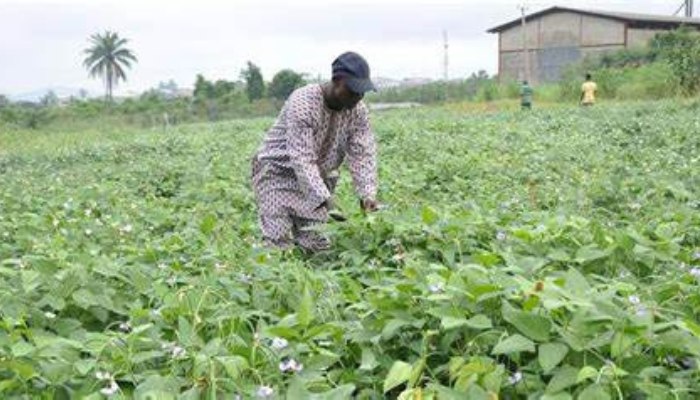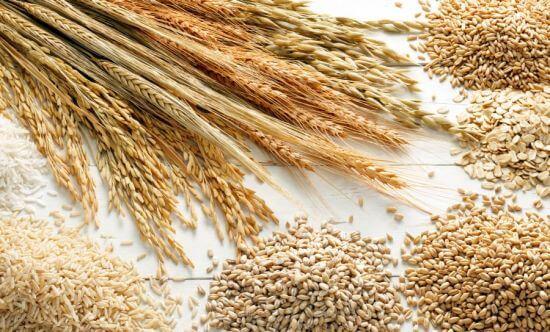
The global harvested area of crops surged to a 23-year high of 1.49 billion hectares in 2023, up 26 percent from 2000 on the back of rising cereal production, according to a new report by the Food and Agriculture Organisation (FAO).
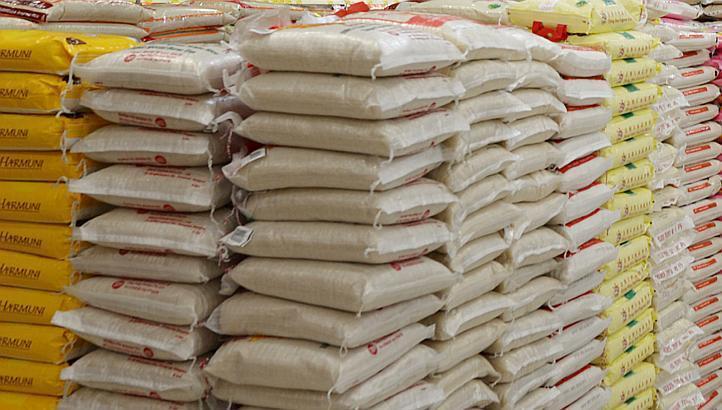
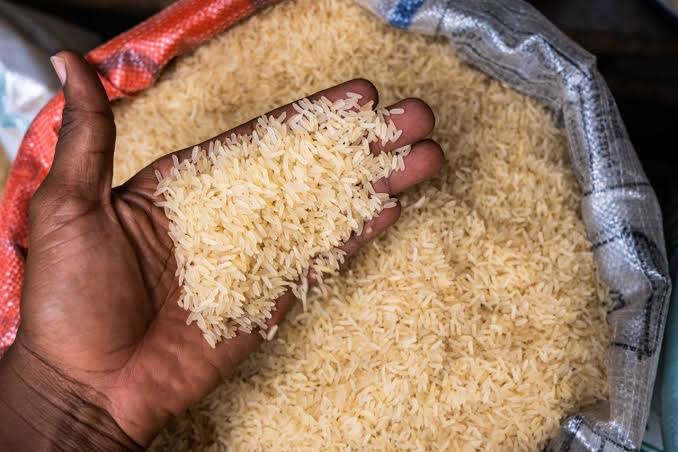
“Global cereal production accounted for more than half of the world’s harvested area during the period, even though its share declined to 50 percent in 2023,” the FAO wrote in its 2025 statistical food yearbook.
The FAO has earlier projected a rise in global cereal production by 2034, revealing that Nigeria’s contribution will increase by an additional 2.7 million metric tons (MMT), owing to rising livestock feed demand. This will push more farmers into maize cultivation – a key raw material in feed production.
Nigeria currently produces an average of 11.16 million tons of maize, according to data from FAOStat.

Read also: Global food prices fall for fifth consecutive month in January
India and Ethiopia have also been noted, according to the report, to be major contributors to global cereal surge, with cereal yield projected to grow by 4.1 million MMT and 3.2 million MMT respectively by 2034.
While cereal was the largest harvested crop between 2000 and 2023, oil crops contributed 24 percent, roots and tubers contributed five percent, and fruits contributed five percent.
In the period, Australia was the largest contributor to crops grown under strict organic agricultural procedures, India followed with five percent, Argentina with four percent, Uruguay with four percent, and China contributed with four percent.
“In 2023, the agricultural area under certified organic status or in conversion to organic was 99 million hectares,” the report read.

Read also: Nigeria to boost cereal production by 2.7mMT in 2034
These countries made up 78 percent of the global area under organic agriculture — this means they cultivated crops without use of toxic chemicals.
“One visible aspect of the efforts to make the agricultural sector more sustainable is the rise of organic agriculture, the main feature of which is its avoidance of synthetic fertilisers and pesticides,” FAO noted.