Nigeria has intensified its push for youth and women-focused investment in agriculture, positioning agribusiness as a major driver of job creation, innovation, and inclusive economic growth, as the 49th Session of the International Fund for Agricultural Development, IFAD, Governing Council wrapped up in Rome.
The meeting, themed From Farm to Market: Investing in Young Entrepreneurs, placed strong emphasis on mobilizing capital, technology, and policy support to expand rural enterprise, strengthen value chains, and boost food system resilience.
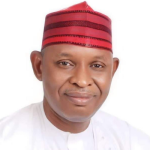
In a key outcome for Nigeria, Abubakar Kyari, minister of Agriculture and Food Security, was elected Chairperson of the IFAD Governing Council, reinforcing the country’s growing influence in global agricultural finance and food security policy.
Kyari said Nigeria’s focus on youth and women empowerment in agriculture was designed to unlock economic opportunities, stimulate private sector participation, and build resilient food systems capable of absorbing climate and market shocks.

“Our strategy is anchored on expanding opportunities for young entrepreneurs and women farmers, strengthening value chains, and building systems that can sustainably support food security and economic growth,” he said.
He added that President Bola Ahmed Tinubu’s policy direction, which places food security at the centre of national priorities, was driving reforms in agricultural productivity, agribusiness financing, and rural enterprise development.
investment and market implications
Nigeria’s renewed engagement with IFAD comes amid rising food inflation, weak agricultural productivity, and mounting pressure to attract private capital into the sector. Analysts say stronger multilateral partnerships could help de-risk agribusiness investments, expand access to concessional financing, and accelerate value chain development.
Kyari said Nigeria’s leadership role at IFAD would focus on mobilizing funding for irrigation, mechanization, climate adaptation, and agro-processing, critical areas for scaling production and stabilizing food prices.
Read also: FG commissions processing centers, distributes equipment to Nasarawa farmers

He also commended the IFAD Nigeria Country Office, led by Dede Ekoue, country director, IFAD for driving programmes that are translating international financing into measurable outcomes for rural communities, particularly in youth enterprise, women empowerment, and small holder resilience.
Key sessions highlighted the growing role of young entrepreneurs in transforming rural economies, with IFAD President, Álvaro Lario, and African investor, Tony Elumelu, underscoring the need to expand financing, mentorship, and market access for agribusiness startups.
Delegates also stressed the economic importance of women farmers in strengthening food systems, marking the International Year of the Woman, while calling for targeted investment in inputs, mechanization, and extension services.
Water security and climate resilience emerged as urgent priorities, with strong advocacy for large-scale irrigation, adaptive infrastructure, and climate-smart farming to counter flooding, drought, and erratic rainfall.
As the session closed, Nigeria reaffirmed its commitment to multilateral cooperation in tackling hunger, poverty, and rural underdevelopment, positioning agriculture as both a social and economic growth sector.