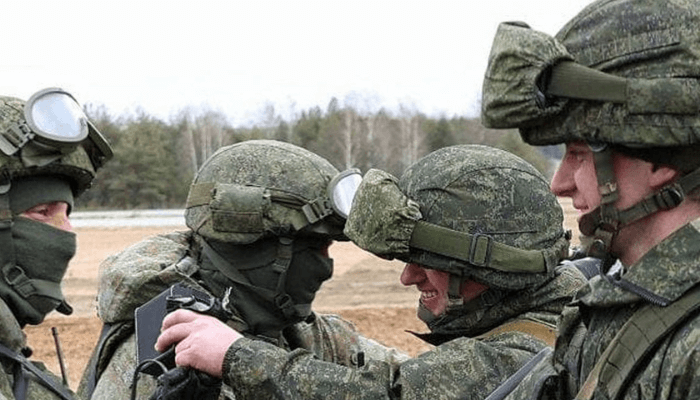
The United States has confirmed the deployment of a “small team” of its troops to Nigeria, marking the first public acknowledgement of American military personnel operating on Nigerian soil.
The confirmation was made on Tuesday by Dagvin Anderson, the commander of the United States Africa Command (AFRICOM), during a press briefing.
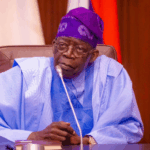
Anderson said the deployment followed renewed security engagements between Washington and Abuja, including high-level discussions with President Bola Tinubu late last year.
According to the AFRICOM chief, the presence of the US personnel is part of a broader effort to strengthen collaboration between both countries in addressing Nigeria’s security challenges.

“That has led to increased collaboration between our nations, to include a small U.S. team that brings some unique capabilities from the United States in order to augment what Nigeria has been doing for several years,” Anderson said.
He, however, did not disclose the specific nature of the team’s mission, its operational mandate, or the exact date of its arrival in Nigeria.
The development represents the first official acknowledgement of US “boots on the ground” in Nigeria since December 25, when President Donald Trump’s administration launched air and missile strikes against terrorist targets in Sokoto State.
The strikes, carried out on Christmas Day, reportedly targeted two terrorist enclaves in the Bauni forest area of Tangaza Local Government Area.
Anderson revealed that the latest deployment was a direct outcome of his meeting with Tinubu in Rome late last year, a meeting that appears to have reset the tone of bilateral security relations between both countries.

The renewed engagement comes weeks after Allison Hooker, a US under-secretary of state, led a delegation comprising officials from eight US federal agencies to Abuja for a bilateral working group meeting with Nigerian security authorities.
The Nigerian delegation was led by Nuhu Ribadu, the national security adviser (NSA).
That meeting was convened against the backdrop of Nigeria’s redesignation by the Trump administration as a “country of particular concern” (CPC), a label associated with alleged violations of religious freedom.
At the time, Trump publicly criticised Nigeria’s handling of insecurity and threatened drastic action.
In one of his most controversial remarks, Trump warned that the United States could send troops into Nigeria “guns-a-blazing to wipe out the terrorists killing our Christians.”
While US officials have since toned down such rhetoric, the CPC designation and subsequent military actions underscored Washington’s growing concern over Nigeria’s security situation, particularly the activities of terrorist groups and bandits in the country’s north-west and north-east regions.
The Nigerian government has repeatedly stressed its preference for intelligence sharing, training, and technical support in its security partnerships, amid sensitivities surrounding foreign military presence on its territory.