Nigeria and the Kingdom of Saudi Arabia on Tuesday reaffirmed their commitment to strengthening bilateral cooperation in pilgrimage administration and consular services.
This came as Tawfiq bin Fawzan Al-Rabiah, Saudi Arabia’s Minister of Hajj and Umrah, paid a visit to Abuja, marking the first official visit by a Saudi Minister of Hajj and Umrah to Nigeria.
Both countries described the development as a milestone in their long-standing diplomatic and religious relations.
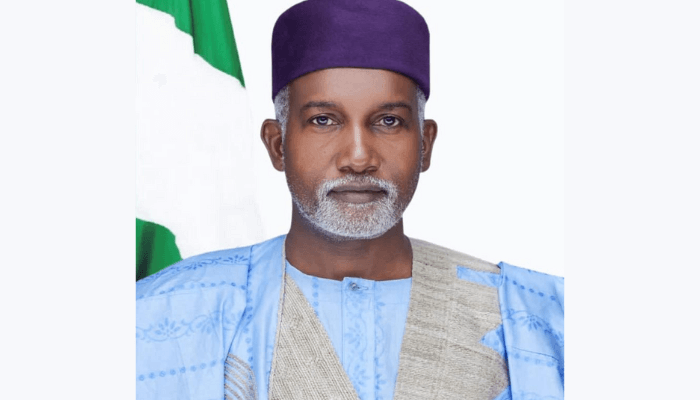
Yusuf Tuggar, Nigeria’s Minister of Foreign Affairs, said the visit underscored the deep-rooted ties between the two nations, particularly in facilitating pilgrimage for Nigerian Muslims.

“This is a very historic occasion. This is the first time ever that a Minister of Hajj and Umrah of the Kingdom of Saudi Arabia is visiting Nigeria,” Tuggar said while welcoming the Saudi delegation.
Tuggar conveyed President Bola Tinubu’s goodwill to Saudi Arabia’s leadership, including King Salman bin Abdulaziz Al Saud and Crown Prince Mohammed bin Salman, noting that Nigeria values its relationship with the Kingdom.
He said the two countries share strong cultural, spiritual and diplomatic connections that have flourished across political, economic and religious spheres over decades.
According to him, cooperation in Hajj and Umrah administration remains one of the most critical aspects of Nigeria-Saudi Arabia relations, as both countries work together to ensure the safety, welfare and spiritual fulfilment of pilgrims.
The minister traced Nigeria’s historical links to pilgrimage routes, noting that communities around the Niger-Benue confluence had undertaken journeys to the Holy Land for centuries, with Nigerian presence in Saudi Arabia and along traditional pilgrimage routes through Sudan and Egypt dating back several generations.

Tuggar commended Saudi Arabia for reforms and investments in pilgrimage infrastructure, digitalisation and safety systems, which he said had significantly improved the experience of pilgrims worldwide.
He also disclosed that Nigeria had introduced new measures to tackle consular challenges, particularly issues linked to Umrah visa overstays by some Nigerian citizens.
He said Nigeria’s Infrastructure Concession Regulatory Commission had approved an end-to-end strategic solution aimed at addressing the challenge, while reaffirming Nigeria’s commitment to working closely with Saudi authorities to improve operational efficiency and service delivery.
The foreign affairs minister noted Nigeria’s growing population would likely increase its Hajj participation in the coming years, pointing out that Nigeria is currently the fourth-largest contributor of pilgrims globally.
He said the country’s ranking could rise further as its population expands, stressing that quota limitations would need to be revisited in the future.
In his remarks, Al-Rabiah, Saudi Minister of Hajj and Umrah, emphasised Saudi Arabia’s readiness to strengthen institutional collaboration with Nigeria to ensure safer and more seamless pilgrimage experiences.
He revealed that about 89,000 Nigerians performed Umrah in 2025, with 92 per cent travelling through official Umrah visas.
According to him, Nigerian pilgrims were transported through approximately 420 direct flights that arrived through King Abdulaziz International Airport in Jeddah during the period.
The Saudi minister said the Kingdom was committed to building on the progress, particularly in preparations for the 1447 Hijri Hajj season.
He added that Saudi Arabia would continue joint coordination with Nigerian authorities to improve operational readiness, streamline procedures and enhance awareness campaigns, including compliance with the Kingdom’s “No Hajj Without a Permit” policy.
“The Ministry of Hajj and Umrah places great importance on enhancing institutional cooperation with our brothers in Nigeria in a manner that contributes to providing a smooth and safe experience for Nigerian pilgrims,” he said.
Delivering closing remarks, Dunoma Ahmed, Permanent Secretary of Nigeria’s Ministry of Foreign Affairs, described the visit as a strong symbol of the enduring partnership between both countries.
Ahmed said Nigerian pilgrims had benefited significantly from Saudi Arabia’s sustained investments in infrastructure development, safety systems and digital technologies deployed to enhance pilgrimage operations.
He noted that discussions during the visit focused on strengthening coordination mechanisms, improving capacity building and enhancing service delivery for future Hajj exercises.
Ahmed also commended officials of Nigeria’s Ministry of Foreign Affairs, the National Hajj Commission of Nigeria and the Royal Embassy of Saudi Arabia for facilitating the high-level engagement.
He expressed optimism that outcomes of the discussions would translate into tangible improvements in pilgrimage management and deepen bilateral relations between both nations.