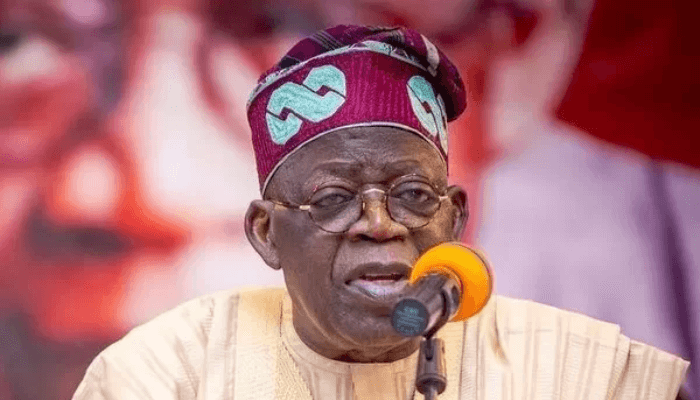
The National Orientation Agency (NOA) has revealed that Nigeria’s public debt has decreased by over $19 billion since President Bola Tinubu assumed office in 2023, countering perceptions of a rising debt crisis.
In an explainer released on October 24, the NOA stated that misinformation has fueled a misleading narrative about the country’s debt burden.
Citing data from the Debt Management Office (DMO), Central Bank of Nigeria (CBN), Ministry of Finance, Federal Inland Revenue Service (FIRS), and international institutions, including the International Monetary Fund (IMF), World Bank, and National Bureau of Statistics (NBS), the agency maintained that Nigeria’s debt position has, in fact, improved.
According to the NOA, Nigeria’s total public debt was $113.42 billion in June 2023, with a debt-to-GDP ratio below 40 percent considered sustainable by the IMF and World Bank. By December 2024, total public debt had fallen to approximately $94.22 billion, a reduction of over $19 billion in 18 months.

“The reduction in Nigeria’s debt reflects active management of borrowings and repayments,” the NOA said. “Rather than accumulating new debt, the government has made down payments on existing loans and avoided unnecessary borrowing.”
The agency noted that before the Tinubu administration, debt servicing consumed nearly all federal revenue, with 97 percent used in the first half of 2023. By the end of 2024, this ratio fell to 68 percent and is now under 50 percent as of the second quarter of 2025.
NOA highlighted the government’s commitment to meeting its debt obligations, including the repayment of a $3.26 billion IMF loan within two years and spending about $7 billion on external debt servicing during the first 18 months of the administration.
While debt is manageable, the agency noted Nigeria’s continued economic challenges due to reliance on oil revenue. Efforts to diversify income sources have led to a 30 percent increase in non-oil revenue in the first half of 2024 compared to the same period in 2023.
Read also: Financial literacy crucial to avert investment risk – Awirigwe

In the first quarter of 2025, the Nigerian Customs Service collected N1.3 trillion — more than double the N600 billion collected in the same period in 2023.
The NOA added that Nigeria’s economy shows signs of recovery, supported by diversification beyond oil. The World Bank projects GDP growth of 3.7 percent in 2024, driven by agriculture, telecommunications, and services the highest in a decade outside post-pandemic rebounds.
The report also highlighted government investments in infrastructure, agriculture, the digital economy, and small and medium-sized enterprises (SMEs) to create sustainable revenue streams and reduce dependence on oil.