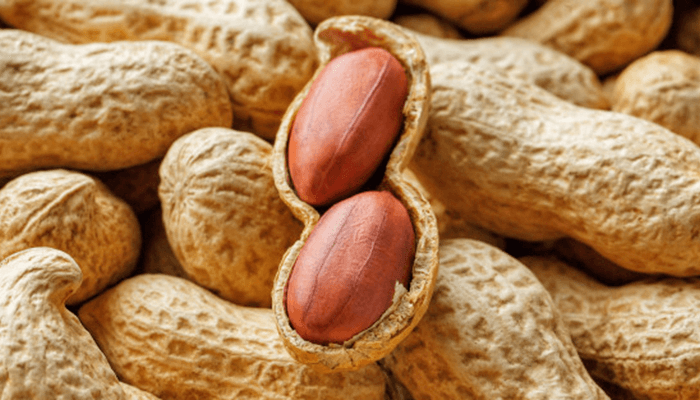
Nigeria’s groundnut production is recovering, but poor storage and weak processing continue to limit export potential and profitability, experts say.
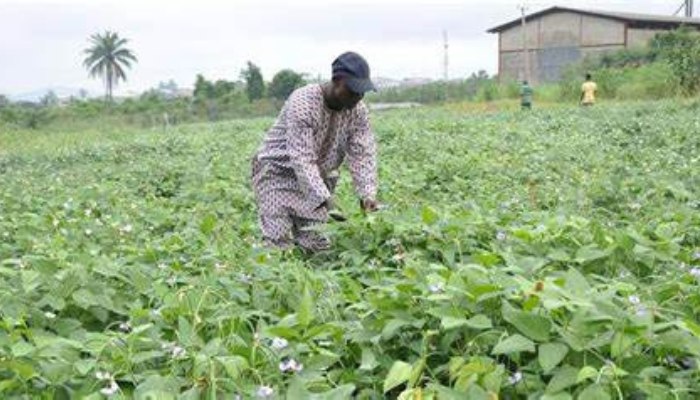
Output rose from 4.4 million tons in 2017 to 5 million tons in 2025, a 13.6 percent increase over the period, and is projected to grow by another 3.1 percent this year.
Despite improved yields across major producing states, weak value-addition capacity and poor post-harvest systems are preventing Nigeria from tapping into lucrative export markets.
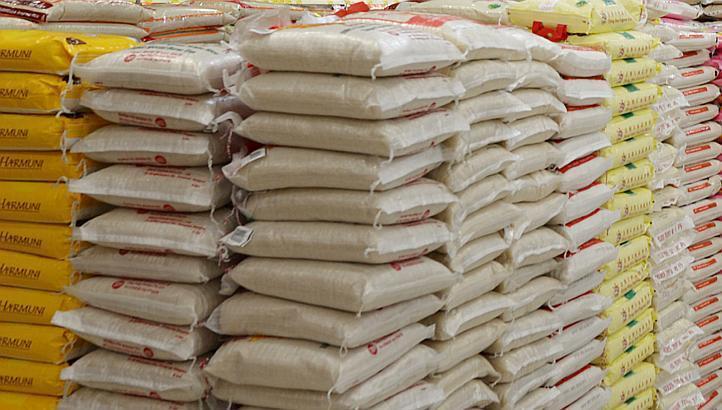
Poor storage infrastructure has made Nigeria one of the countries with the highest aflatoxin contamination in groundnuts , often above 20 µg/kg, five times the European Union (EU) safety limit of 4 µg/kg.

Studies show 30 percent–50 percent of samples from major producing states are contaminated. Aflatoxin, a toxic mold, infects oilseeds such as groundnuts, maize, and sorghum when improperly dried or stored, according to the WHO.
Chinedu Agbaji, director of administration at the All Farmers Association of Nigeria (AFAN), said the sector’s growth is being stifled by poor storage systems and low value addition.
“The lack of storage infrastructure and low large-scale value addition and standardization has been a major challenge impacting groundnut exports in Nigeria,” Agbaji stated.
“This is largely due to low output subsidy which makes small-scale farmers with fewer resources continue using poor storage practices to preserve groundnuts,” he added.
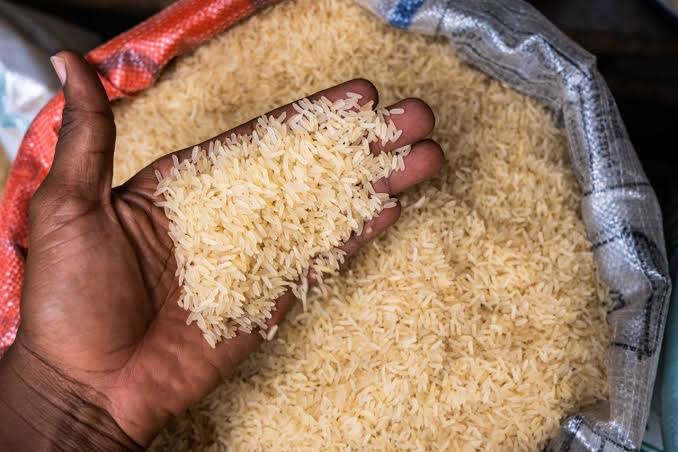
At least 30 percent of groundnuts sold in local markets are contaminated with aflatoxins, with 25.percent–83 percent exceeding permissible levels, according to a study by Michael Vabi and his research team at the International Crops Research Institute for the Semi-Arid Tropics (ICRISAT).

“Contamination rates are higher in local varieties, while 87 percent–100 percent of kuli-kuli (peanut bars) consumed in Nigeria contain aflatoxins,” the report added.
“Long-term exposure to such contamination can suppress the immune system, worsen viral infections like HIV/AIDS, cause male infertility, liver cancer, and even death,” the study warned.
Dennison Terkohol, a groundnut processor and aggregator, emphasised how low investments in groundnut processing is impacting the sector.
“Processed groundnuts yield significantly higher profits than raw ones, but most of our products are sold raw, limiting sector growth” he noted.
Despite Nigeria exporting $1.2 million worth of raw groundnuts in 2023, the sector remains import-dependent, with imports exceeding $6.6 million the same year, according to World Integrated Trade Solutions (WITS).
Key players in the domestic processing space include Olam, Gyada Oil Processing Mill, and the recently launched Arjena Foods.
Reports show that processed groundnuts can generate more than twice the profit of raw groundnuts, depending on the product and scale.
Low incentives, missed opportunities
Emmanuel Udeogu, president of the Integrated Groundnut Farmers Association of Nigeria (IGFAN), echoed similar concerns, citing how poor infrastructure and low-quality varieties cost his association potential export deals.
“I recently tried connecting some of our members to export opportunities with investors from Tanzania and South Africa, but we couldn’t pull through due to insufficient supplies arising from these challenges and lack of high-quality varieties,” Udeogu said.
“Farmers get discouraged when they don’t get support, especially when trying to meet investor demands,” he added.
Abdulrazaq Muhammad, acting national president of the National Groundnut Producers, Processors and Marketers Association of Nigeria (NGROPPMAN), said inadequate support from stakeholders continues to stall the sector’s growth.
“Nigeria currently produces more groundnuts than it did during the famous pyramid era, but the challenge is that we are neglected, there is hardly any tangible support coming our way,” he told BusinessDay.
Success stories from small-scale processors
Dennison (earlier quoted) shared how value addition significantly boosts returns for local farmers.
“Roasted groundnut business is profitable as it is in high demand across supermarkets, open markets, and retail shops,” he said. “I made N13,000 gross profit after roasting 4kg (one rubber paint) of groundnuts, which I sold between N2,000 and N3,000 per bottle,” he added.
Emmanuel Oluwakemi, CEO of Kembeth Peanut Crunchy, said it’s the steady cash flow and small daily profits that keep her business going.
“I recently started producing coated peanuts, and I’ve found it’s a daily income business,” she said. “Sometimes I earn a 10 percent profit—it’s gradual, but profitable,” she added.
Global market
The global market for processed groundnut into oil was valued at USD 10.43 billion in 2023, and it is projected to reach USD 14.14 billion by 2030, growing at a CAGR of 4.5 percent from 2024 to 2030. The surge is driven by rising consumer demand for healthier, natural cooking oils, greater awareness of groundnut oil’s nutritional benefits, and the expanding market for plant-based foods.
According to the U.S. Department of Agriculture (USDA, 2024), Brazil leads global peanut oil exports with about 140,000 metric tons, while Mali tops Africa with 19,000 MT. Nigeria ranks 11th, exporting roughly 3,000 MT.
Challenges and wayforward
Experts have identified poor coordination among government agencies and private players, weak farmer aggregation, supply chain disruptions, high input costs and low output incentives as major obstacles to Nigeria’s groundnut sector.
To address these challenges and strengthen exports, they are calling for increased agricultural investment, large-scale storage infrastructure, and improved output incentives for farmers.
“Rather than focus solely on input incentives, we also need output incentives , particularly storage infrastructure support and access to post-harvest funds for local farmers,” said Agbaji.
Udeogu, earlier quoted, emphasized the role of financing in boosting productivity. “Financial incentives could encourage more farmers and processors to do more,” he added.
Oluwakemi noted that high input costs can be a major challenge for small-scale processors, often cutting into profit margins. “For producers like me, materials can be expensive,” she said. “But if you have the capital, it’s better to invest in your own machines and buy raw inputs in bulk , it makes the work easier and the profits better,” she added.