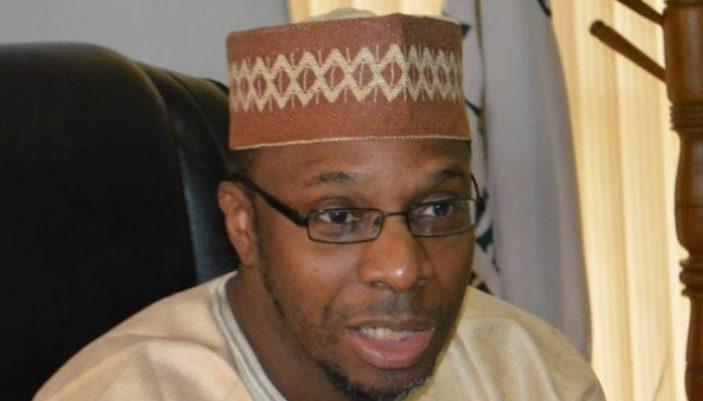
Yemi Kale, former statistician-general and CEO of the National Bureau of Statistics (NBS), has cautioned that while Nigeria’s economy may now be described as “stable,” this does not automatically translate into relief for struggling citizens.
In a post shared on X on Saturday, Kale explained that economists define a stable economy as one where major fluctuations or disruptions have ceased, allowing businesses, investors, and consumers to plan with greater confidence.
“When economists say an economy is now stable, they usually mean that the economy has reached a point where it is no longer experiencing major fluctuations or disruptions,” he said. “In practical terms, it suggests macroeconomic indicators are steady, predictable and confidence returns, and there are no immediate crises.”
Read also: Drop in inflation rate yet to ease hardship for Nigerians

He noted that stability in indicators such as inflation, exchange rates, and GDP growth does not necessarily mean that citizens are free from hardship.
“Inflation falling from 25% to 12% and staying steady might be seen as stability. However, prices may still be very high compared to past years, meaning people continue to struggle,” he wrote.
According to Kale, who is now the group chief economist and MD of Afreximbank, Nigerians experience the economy differently, primarily through the costs of food, housing, transportation, healthcare, and wages.
“Even in a ‘stable’ economy, if incomes are low and basic goods remain expensive, families still face hardship,” he said.
The former NBS boss emphasised that stability is often the first step in reversing economic hardship, but warned that the benefits may take time to reach households.

“Economic stability often benefits investors and businesses first, who might start posting great results. It can take months or even years before stability eases hardship and translates into job creation, higher wages, or cheaper goods for citizens,” he said.
Read also: Leadership without compassion, Peter Obi slams Tinubu over jet purchase amid hardship
He added that while stability is a necessary condition, it is not sufficient to ease daily struggles immediately. “For citizens, stability may only mean less new hardship is being added, not that life has become easier yet. But the first step to reversing hardship is stability and stopping the bleed,” he explained.
“Economic stability is like stopping a boat from rocking wildly, but hardships persist if the boat is still far from shore,” the chief economist said.
Kale’s post came just days after Ngozi Okonjo-Iweala, director-general of the World Trade Organisation (WTO), commended President Bola Tinubu for efforts to stabilise Nigeria’s economy, saying his administration deserves credit for laying the groundwork for growth.
Speaking to State House correspondents after a courtesy visit to the president at the Presidential Villa on Thursday, Okonjo-Iweala noted that stability is a prerequisite for economic improvement.
“So we think that the president and his team, and we just exchanged with him, have worked hard to stabilise the economy. And you cannot really improve an economy unless it’s stable,” she said.
The former finance minister, however, urged the government to put in a social safety net to cushion the effects of the reforms on the masses.
Read also: Tinubu’s reforms making Nigerians poorer, people dying over hardship – Dalung
She said, “We now need to grow the economy, and we need to put in social safety nets so that people who are feeling the pinch of the reforms can also have some support to be able to weather the hardship. So that’s the next step.
“How do we build social safety nets to help Nigerians cushion the hardship they’re feeling? And then how do we grow the economy so we can create more jobs and put more money in people’s pockets?”
Also, the NBS on Friday reported that inflation dropped from 22.22 percent in June to 21.88% in July. This means that the headline inflation has dropped for the fourth consecutive month since April.