…as lawmakers decry ‘lip service’ to livestock industry
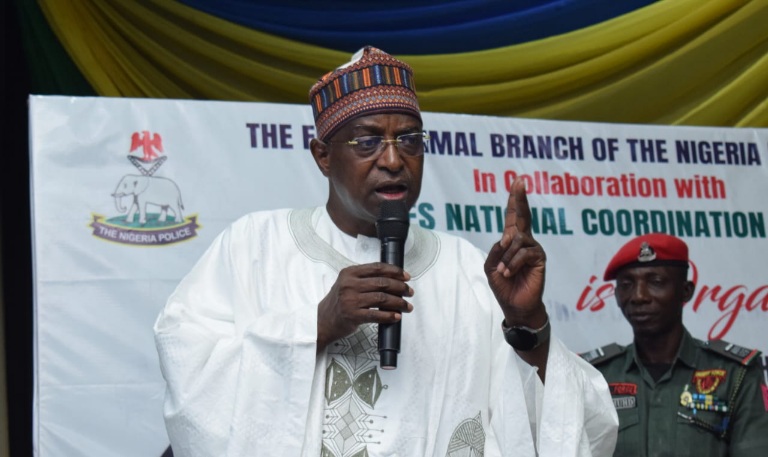
Sixty-five percent of animals consumed annually in Nigeria are imported, Idi Maiha, Minister of Livestock Development, told lawmakers on Friday.
This comment by the minister sparked sharp criticism from members of the National Assembly who accused the Federal Government of paying “lip service” to a sector touted as central to economic diversification.
Maiha disclosed the figure during a budget defence session before the Joint Committee on Livestock Development, where he presented the Ministry’s 2025 budget performance and 2026 proposals.

“About 65% of the animals consumed in Nigeria yearly are imported,” Maiha said.
“Yet Nigeria has the potential to generate red meat export value of over N3.2 billion if the sector is properly developed.”
The minister attributed the situation to inadequate funding, revealing that the ministry has struggled to access approved allocations since its creation.
“Out of the N70 billion approved as take-off fund for the ministry in 2024, only N20 billion has been released,” he said.
“Even the N10 billion appropriated as capital vote for 2025 has not been released.”

His remarks drew visible frustration from lawmakers.
Buba Shehu, Chairman of the Committee and senator representing Bauchi South, described the funding pattern as inconsistent with the government’s stated objective of economic diversification.
“A mono-sector economy does not help any nation,” Shehu said.
“We created this ministry to drive diversification. The committee will do everything within its powers to ensure that the livestock ministry receives adequate funding.”
Shehu said the committee would consider writing President Bola Tinubu to seek urgent intervention.
Tahir Monguno, Senate Chief Whip and Senator representing Borno North, was more direct in his criticism.
“The establishment of the Ministry of Livestock Development in 2024 was driven by the gospel of diversification of Nigeria’s economy,” Monguno said.
“It is therefore to my surprise and indeed disgust that we are now paying lip service to the livestock sector.”
He added, “It is inherently contradictory to create a ministry and then woefully fail to fund it. We must drum it into the ears of the Executive that this cannot continue.”
Abdul Ningi, Senator representing Bauchi Central, suggested the funding gaps might not reflect presidential intent.
“I am suspecting sabotage,” Ningi said.
“This zero capital allocation does not reflect what Mr President stands for. I believe he meant well for livestock development.”
He urged the ministry’s leadership to be more vocal about its challenges.
“You must speak out about the constraints you are facing so that we, as lawmakers, can amplify them to the appropriate quarters,” he said. “This is a ministry that must be supported and well funded.”
Lawmakers noted that countries such as Brazil and Argentina have leveraged livestock to strengthen exports and boost foreign exchange earnings, arguing that Nigeria risks missing similar opportunities if funding shortfalls persist.
The exchange underscored growing tension between the legislature and the executive over the pace of economic diversification, particularly as Nigeria continues to battle foreign exchange pressures and food insecurity.
For lawmakers, the message was clear: creating a ministry without adequate funding undermines both policy credibility and economic ambition.
As Monguno put it, “If we are serious about diversification, then livestock development cannot remain a paper promise.”