|
Getting your Trinity Audio player ready...
|
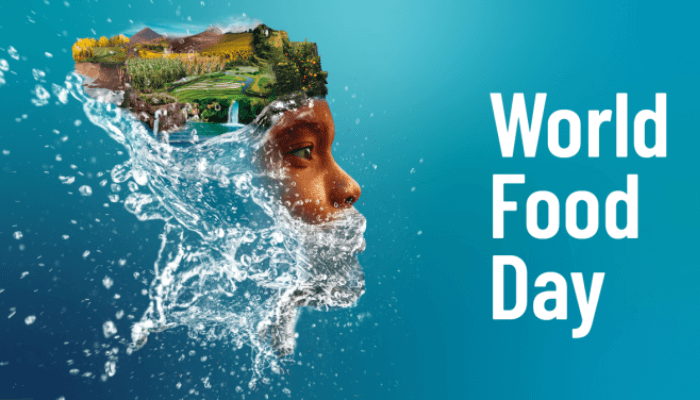
Every year on October 16, the world marks World Food Day in different ways, through various means. A day like this shows a global reminder of our collective responsibility to ensure food security, preserve culinary heritage, and build a nourished planet.
The 2025 theme, tagged ‘Hand in Hand for Better Foods and a Better Future’ echoes the urgency of collaboration, sustainability, and cultural pride in shaping the world’s food systems.
For Nigeria, this is more than a commemoration; it is a call to action, a renewed commitment to tell our food stories, preserve our indigenous cuisines, and spotlight our culinary treasures for global recognition under UNESCO’s Intangible Cultural Heritage (ICH) list.
Culinary heritage is not just about taste. It is a multibillion-dollar industry waiting to be unlocked. As the global economy pivots toward food journalism, cultural and food tourism, Nigeria sits on an untapped goldmine. This is because our food is not just nourishment, it is memory, identity, and history.

Well, despite our rich culinary legacy and food culture, Nigeria remains missing from UNESCO’s Intangible Cultural Heritage (ICH) list, a global catalogue where other nations have immortalized their traditional dishes. The question is why Nigeria has no dish yet recognized on UNESCO’s Intangible Cultural Heritage list. This limits international visibility, tourism potential, and global influence. The absence of structured documentation and research keeps our foods outside the heritage conversation.
The UNESCO ICH list has 30 food coming from different countries around the world. Most recently, in December, 2024, the BBC revealed that Attieke, a cassava delicacy of Ivory Coast has been added to the ICH list. Why is Nigeria not there?
In countries like USA, Thailand, Italy, India, Japan, France, and Mexico, amongst others, traditional cuisines are not just eaten, they are preserved, funded, and even taught the next generation. These countries have turned their cultural and traditional cuisines into global exports. Their governments recognized that food is cultural diplomacy, a soft-power asset that tells the world who they are. No wonder many them are now in e the UNESCO ICH list.
Nigeria, with its diversity and flavour, could do the same, but only if we act strategically. In the spirit of World Food Day, we must take ownership of our culinary identity, not just as a cultural pride, but as an economic strategy for national development.
Knowing that food as the soul of a nation like Nigeria is very important to the populace, it is a bit baffling that for a country of over 250 million people, with more than 300 ethnic cuisines, the absence of our food from the UNESCO list is not just striking but also sobering.

From our popular Party Jollof Rice and Party Fried Rice, to Tuwashinkafa, Egusi Soup, Banga, Suya, and the humble yet iconic Nsala Soup, Abacha, Ewedu, Gbegiri and our Northern Groundnut Soup, the list is endless, and each dish tells a story of migration, adaptation, and unity.
From Pot to Heritage: The Vision
My ongoing PhD research, titled “From Pot to Heritage: Digital Media Narratives, Documentation and Preservation of Nigerian Culinary Traditions for UNESCO’s Intangible Cultural Heritage List,” is an attempt to answer this gap. It seeks to document and digitize Nigerian food traditions, while turning oral culinary history into tangible evidence for global recognition.
Through food journalism, food tourism, storytelling, and digital preservation, we can showcase the essence of Nigerian cuisine and its unifying power. This can make great culinary sense, especially when we document our meals, and defend our culture. Speaking from the standpoint of a guardian of our culinary heritage, I believe that this year’s World Food Day must be a rallying cry for action, from government, academia, and private food brands. Ministries of Arts, Culture, Agriculture, and Information should also champion this cause.
The creation of a National Food Heritage and Tourism Policy could transform Nigeria’s economy by linking agriculture, tourism, and culture. Ministries of Culture, Agriculture, and Trade can also collaborate with UNESCO and major food brands like Nestlé, Dangote Foods, and Golden Penny to fund documentation and promote Nigerian cuisine abroad.
In celebrating the World Food Day, Nigeria must look beyond the plate to the power and purpose of its cuisine and connect to an initiative that would strengthen the GDP growth, attract investment, empower farmers, boost food security and expand Nigeria’s soft power globally.
Hand in Hand: A National and Global Responsibility
In line with this year’s World Food Day theme, partnerships are key. Government, academia, media, and private sectors must work hand in hand to document, promote, and protect Nigeria’s culinary identity. The journey to UNESCO begins with research, storytelling, and diplomacy — and every journalist, chef, farmer, and policymaker has a role to play.
World Food Day 2025 should therefore mark a turning point from mere celebration to preservation. The Nigerian food story deserves to be told, taught, and tasted across the world.
As we commemorate World Food Day under the banner of “Hand in Hand for Better Foods and a Better Future,” let us remember: our food is our identity, our history, and our hope.
Nigeria’s culinary traditions are not just meals, they are living heritage waiting to be recognized, preserved, and celebrated.
By securing a place for Nigerian cuisine on UNESCO’s Intangible Cultural Heritage list, we are not only preserving recipes; we are cooking a legacy, one that feeds both body and soul, today and for generations to come.