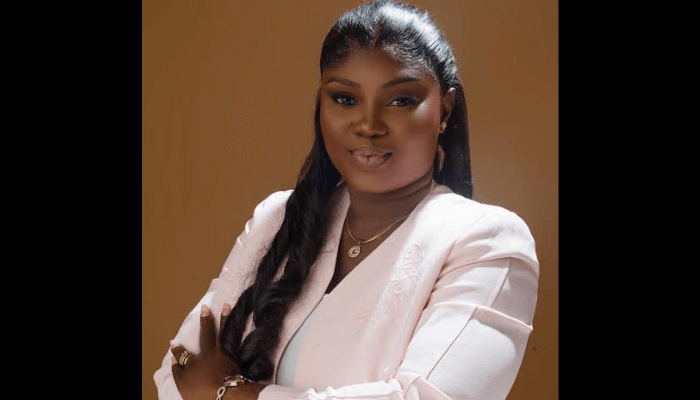
Kanyinsola Seriki is the founder and creative force behind Shea Tribe, a proudly Nigerian beauty and wellness brand that creates handcrafted, plant-powered self-care products using Africa’s most prized natural resources—like shea butter, cocoa butter, and African black soap. In this interview with REMI FEYISIPO, Kanyinsola spoke on the untapped potential of the shea, botanical beauty industry, challenges facing the sector and how young entrepreneurs could leverage digital tools, among others. Excerpts:
Kindly tell us the story behind your brand, Shea Tribe?
Shea Tribe was born out of a need to reclaim African skincare narratives and create premium, affordable products rooted in nature and heritage. While living abroad, I realised how underrepresented African ingredients were in global wellness conversations, despite their incredible benefits. I started making shea-based products for friends and family, and the positive feedback was overwhelming. Over time, it grew into a full-fledged business that now serves customers both locally and internationally, with a focus on sustainability, empowerment, and transparency.
What motivated you to go into this business?

It was partly personal, partly spiritual. I’ve always been drawn to holistic wellness and our African traditions around beauty and healing. After I left law school, I needed to find a path that felt purposeful. Learning to become an esthetician helped me understand the science of skin, and that training—combined with my love for our native ingredients—motivated me to build something that could celebrate Africa while helping people feel confident in their skin. I also wanted to create something future-facing, a legacy.
How do you source your raw materials?
We work directly with women-led cooperatives and trusted local suppliers in Nigeria—especially in the North and Southwest—to source our raw shea butter, black soap, oils, and botanicals. We prioritise ethical sourcing, fair wages, and minimal processing to maintain the potency of our ingredients. I also travel to production regions like Saki and Katsina to build relationships and better understand the shea value chain. As a member and now secretary general of the Shea Women’s Association of Nigeria (SWAN), traceability and community impact are extremely important to us.
As an expert, can you elaborate on the hidden opportunities in the industry?
Absolutely. The shea and botanical beauty industry is full of untapped potential. Beyond shea butter itself, there’s room to innovate in by-products—like shea oil, shea cake for animal feed, and even sustainable packaging using agro-waste. Then there’s education: people still don’t fully understand the benefits of natural skincare, especially for melanin-rich skin. Export is another huge opportunity. With proper branding and certification, African-made products can compete globally. There’s also space for tech—apps, e-learning, traceability platforms—especially in linking farmers, formulators, and consumers directly.

Since you have been running the business, what are some of the challenges you have faced so far?
Access to consistent funding has been a challenge, especially when trying to scale ethically. Infrastructure—like unreliable electricity and logistics—also affects production timelines and shelf life. Additionally, educating customers about the benefits of natural, non-bleaching products in a market flooded with harmful skin-lightening options can be an uphill battle. But we’re committed to the truth and to changing that narrative.
Despite challenges, how have you been able to keep your head above water?
Faith, community, and adaptability. I’ve learned to grow slowly but intentionally. We reinvest profits, apply for grants, and constantly look for partnerships that align with our values. I’ve also built a team that believes in our mission, and we lean on digital tools and storytelling to reach new customers. Having been trained as an esthetician in the U.S. at the Aveda Institute, with a background spanning across finance, media, and development work, i wear many hats, but at the core of all I do is a passion for storytelling, cultural preservation, and community building. So, with my background in communications has helped us stay top of mind even when we don’t have a huge marketing budget.
With the present economic downturn, what advice would you give to people who want to become entrepreneurs?
Start small and be clear about your why. Business isn’t always glamorous, but purpose gives you stamina. Focus on solving real problems and building something that reflects your values. Leverage digital tools—they reduce overhead. Also, don’t be afraid to ask for help or collaborate. We rise by lifting others. Lastly, never compromise on quality. People remember how your brand makes them feel.
Do you have any plans to expand Shea Tribe in the nearest future and sustain its growth?
Yes, absolutely. We’re actively working on scaling our production by establishing a more efficient, sustainable factory to meet growing demand without compromising on quality. On the global front, we’re deepening our export strategy—especially to the SADC, UAE, U.S. and U.K.—where we’ve already built a loyal customer base that values clean, African-made beauty.
We’re also building a robust e-commerce platform and mobile app that will not only showcase Shea Tribe products but also spotlight other local artisans and cooperatives, creating a curated marketplace that celebrates African craftsmanship.
Beyond sales, our vision includes education and advocacy. We’re committed to raising awareness around natural skincare, wellness, and sustainability. For us, it’s not just about growing a brand—it’s about building a movement that empowers, educates, and uplifts communities.
What are your future plans, especially in taking your brand to another level?
I envision Shea Tribe on the shelves of global retailers like Sephora, Whole Foods, and Boots, standing proudly alongside legacy skincare brands. But beyond retail visibility, I see us leading the African clean beauty movement, grounded in both authenticity and science. Long term, we aim to invest in shea tree planting initiatives, empower rural women through job creation, and eventually launch a wellness education institute that champions African ingredients and traditions. Personally, I hope to keep bridging the gap between tradition and innovation, telling our stories with intention and impact.