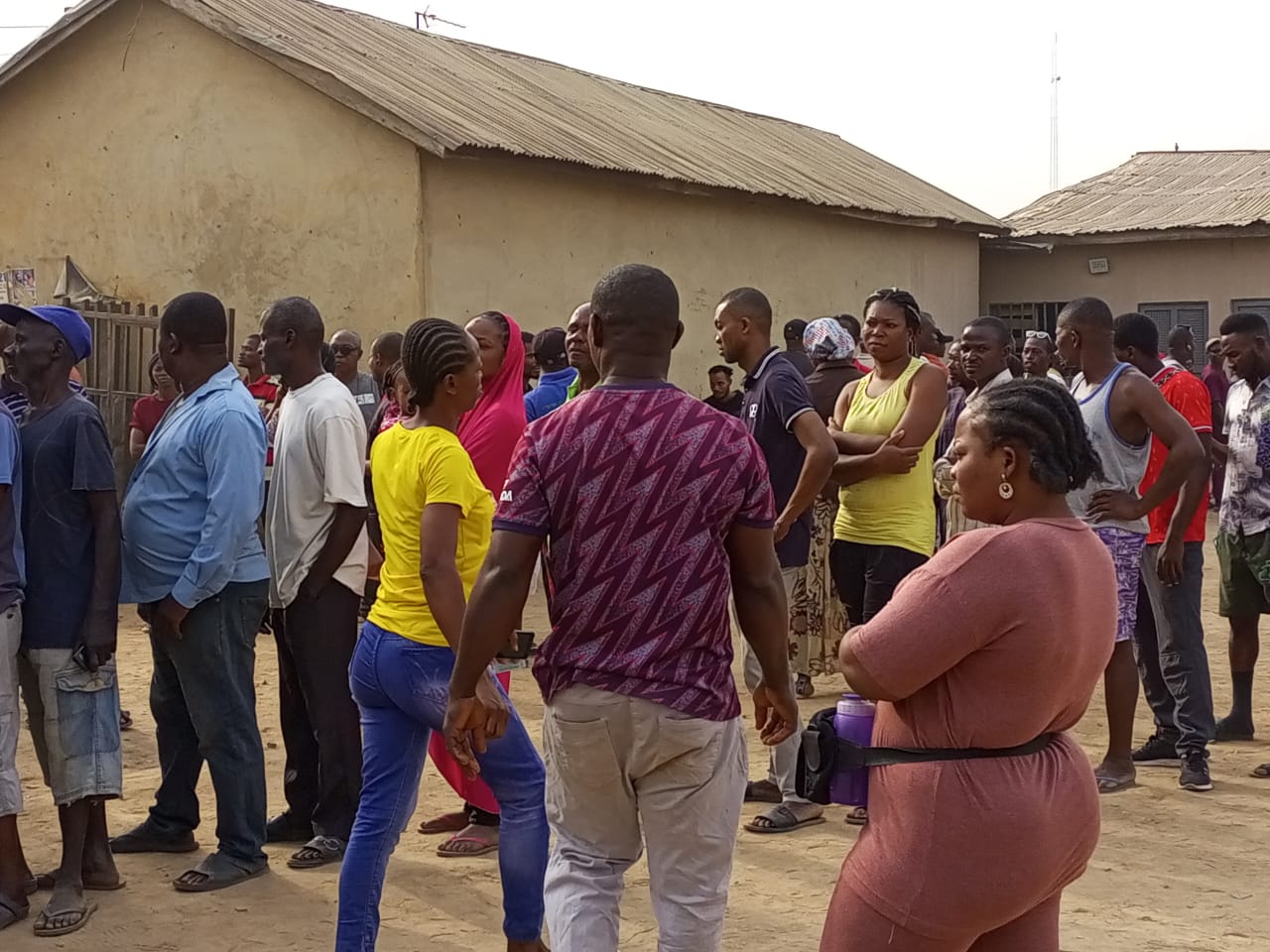
Despite threat of violence in some states across the country as the gubernatorial and House of Assembly elections hold today, many Nigerians have indicated their willingness to vote.
The last few days had seen some party chieftains openly threaten to deal with voters if they refused to vote in particular direction.
But BusinessDay checks show that many eligible voters are undaunted and are willing to exercise their franchise today.
Toyin, a restaurant owner in part of Lagos, told our correspondent that the threats she would go out to vote.
“I have made up my mind to vote. I have a candidate that I will vote for. If we cave in to the threats it means we are cowards. What they want is a situation where people will be scared and refuse to go out. But I want to encourage Nigerians and Lagosians in particular to go out and vote. Our lives depend on it. We have suffered enough,” Toyin said.

Some prospective voters who spoke to our correspondent in Abakiliki, Ebonyi State, said that despite the charged atmosphere in the state, they are going out to vote today.
Nkasiobi Mbah, a seamstress, said: “If you look at the threats and what is being said by some politicians and their thugs, you would not dare to come out. But our future is what is at play here; we must not allow anybody to toy with it.
“Since the February 25th Presidential election that the ruling party lost in the state, the body language of the government here speaks of going all out to win by all means. They are threatening violence, but we are determined.”
Read also: West African elders urge INEC, security to abide by laws
Adubi Agesan, a farmer in Kaduna State, said he had made up his mind to vote today because he desired a new government that would guarantee him security to go to his farm without disturbance.

“For over one year now, I have not gone to the farm because of bandits and kidnappers. I want a new government that will make me go back to my farm,” Agesan said.
Bobby Ugo, who resides in Port Harcourt, told our correspondent that he would vote to “redeem Rivers.”
“I think Rivers State is in chain right now and we should do everything possible to redeem it. We saw what happened on the 25th February; people were killed; kidnapped; wounded and mercilessly tortured including corps members. Despite their threat of bloodshed, I am going to vote. My vote will count. It is high time we end the bloody regime and liberate our people,” Ugo said.
Some others who spoke to BusinessDay expressed the optimism that today’s exercise would usher in more competent, responsible and responsive administrations across the country.
Recall that following the unexpected outcome of the presidential election in some states, some authorities have overtly and covertly put in motion machinery to ensure they win their states by all means.
Following what some people have described as acts of desperation, various groups have cautioned against the use of violence to rig the election.
The Centre for Democracy and Development (CDD) a few days ago listed Kaduna, Kano, Lagos, Rivers, Sokoto and Zamfara as states at most risk of electoral violence following the intensification of political competition across the states.
The group stressed that the credibility of the process will be critical, but will be challenged by the threat of violence. According to CDD, if the challenges posed by insecurity are not mitigated, there could be a likelihood of inconclusive results and the need for supplementary elections.
“Rivers, Lagos, Kano, Kaduna and Sokoto are key states to watch but there will also be closely contested races in Cross River, Delta, Enugu and Zamfara, whilst Adamawa could see the election of Nigeria’s first female governor. The southeast geo-political zone represents the best chance for the Labour Party to build on the gains made during the 25 February polls,” the brief signed by the CDD director, idayat Hassan read.
“Our analysis enables us to make some predictions on how the elections will unfold. Closely contested races will likely increase election-related violence; INEC staff will be targets of intimidation and co-option from politically aligned actors; with efforts to manipulate voting processes most likely to target voter suppression in strongholds of political opponents through ballot box snatching and the destruction of election materials. We expect to see destruction of ballot papers, the hijacking of BVAS machines and violence to push voter suppression.”