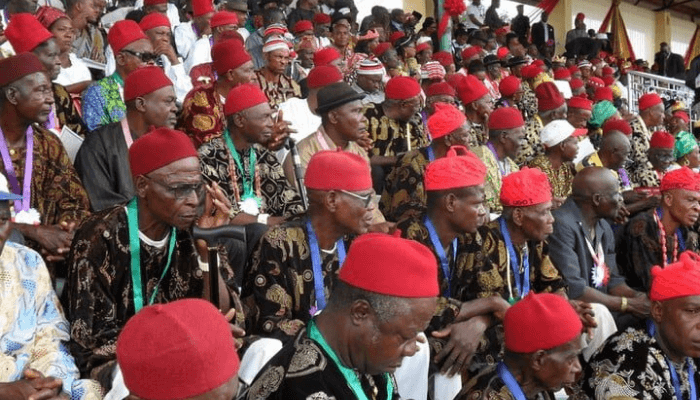
The Igbo language, a core pillar of identity and cultural heritage in south-eastern Nigeria, is experiencing declining usage among young people, sparking fears that it may one day disappear if urgent revival measures are not taken.
If the saying is true that when language dies, culture dies, then Igbo leaders must urgently rise to revive the use of the language by ensuring that their mother language is not deliberately reduced to zero.
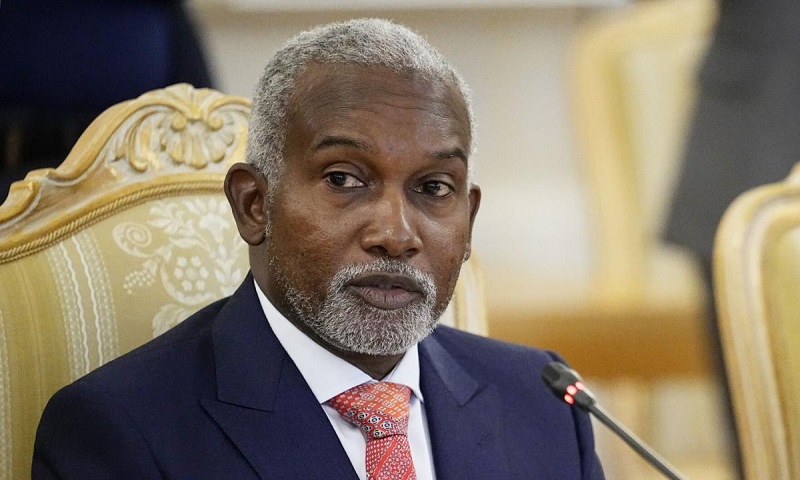
John Azuta-Mbata, the president-general of Ohanaeze Ndigbo, raised a concern over the declining use of the language, stressing that it could slide into extinction if immediate and collective steps are not taken to revive it.
He made the call at the 2026 Igbo Efula Mother Tongue Day celebration, when he said, “Today, we gather to reaffirm our commitment to preserving our beautiful language, culture, and heritage. Igbo is our identity and pride. But Today, it is at risk of extinction. We must act now.”

Research has shown that children possess the capacity to learn multiple languages simultaneously in their formative years, and a grounding in their mother language strengthens that ability.
Hence, it becomes imperative that Igbos speak their indigenous languages confidently and consistently to their children, because a language people do not speak will not survive.
Uche Obisi, a chieftain of the Ohanaeze, reaffirming this, urged parents, teachers, and community leaders to be deliberate about speaking and teaching Igbo to younger generations.
“As leaders and custodians of our culture, we must ensure Igbo thrives. Let us speak it, teach it, write books in it, create content in it, and pass it on to our children,” he said.
It is disturbing that many Igbo parents in diaspora do not speak their language to their children, which obviously undermines the existence of the language and Igbo culture, as language identifies a people.

Language is so much more than mere words strung together; it is the first thread that weaves our connection to the world around us. From the soothing lullabies that parents sing to their unborn children, to the joyful exclamations of “mama” and “dada,” which is where our journey with communication begins.
Language is not just a people’s linguistic heritage, but reflects how their first words shape their identities both as individuals, learners, thinkers, and members of a wider community.
Early exposure to a mother tongue, whether through storytelling, songs, or simple conversation, builds the foundation for literacy and learning.
According to UNESCO, children who begin their education in their mother tongue are more likely to develop strong cognitive and academic skills.
Research by the Global Partnership for Education (GPE) indicates that children educated in their native language are more likely to engage in classroom activities, ask questions, and contribute to discussions.
This is because they already have a rich vocabulary and cultural understanding, helping them process new information in a meaningful way.
All hands must be on deck to ensure that the Igbo language does not fade into history. All the Igbo-speaking states should enact laws that require the use of the language in basic schools.
According to research, teaching and learning in one’s mother tongue is a key factor for inclusion and quality learning, and it also improves learning outcomes and academic performance.
This is crucial, especially in primary school to avoid knowledge gaps and increase the speed of learning and comprehension.
Ultimately, preserving the Igbo language will require deliberate action from families, schools, cultural institutions, and government authorities.
Without renewed commitment to teaching and speaking the language, the risk of extinction may shift from a distant concern to a harsh reality.