New research by UK-based Strategy Management Partners (SMP) has revealed that a growing number of British businesses are identifying Africa as a key strategic growth region – drawn by structural reforms, demographic momentum, and rapid digital transformation across the continent.
This demographic potential is echoed in the findings of a survey of 250 respondents, where the most critical factor influencing decision-making by the majority of the respondents is the size of market opportunities and consumer demand. Respondents represented a cross-section of industries, including IT and telecoms, finance, healthcare, utilities, and manufacturing.
Read also: UK confirms Nigeria key investment hub as economic reforms gain momentum
The survey’s key findings …
The study explored perceptions of African markets, current levels of engagement, barriers to entry, and key factors influencing expansion decisions. Titled “Africa’s Inflection Point: Navigating Opportunities Amid Challenging Structural Realities”, the research, based on a survey of senior decision-makers from 250 large UK-based companies, finds that 50 percent are already active in African markets and planning to expand further.

An additional 28 percent of the surveyed 250 large UK-based companies are considering entry, signalling a clear uptick in long-term interest from international businesses with the resources to scale regionally.
The findings challenge outdated perceptions of Africa as a high-risk or secondary market. Instead, they highlight key drivers behind renewed commercial interest: 61 percent of UK leaders cited Africa’s large and growing consumer markets as a major draw; 61 percent pointed to the continent’s rapid pace of digital and technological adoption; 50 percent highlighted the potential of Africa’s young, skilled, and digitally native population.
The findings are based on independent research conducted by Censuswide in Q1 2025, commissioned by Strategy Management Partners. A survey was completed by senior decision-makers in strategic roles (including CEOs and Heads of Strategy) at 250 UK companies with annual revenues exceeding £20 million and active operations in at least one international market.
Deeper alignment between public policy and private investment needed now…
“UK businesses are increasingly seeing Africa as a strategic growth market, driven by structural reforms, digital adoption, and the momentum behind the African Continental Free Trade Area (AfCFTA),” says Muibat Ijaiya, Co-Founder and Partner at Strategy Management Partners (SMP).

“But real progress will depend on practical cooperation with African governments. The AfCFTA is a pivotal step forward – what’s needed now is a deeper alignment between public policy and private investment to address trade, regulatory and infrastructure barriers, and unlock long-term, sustainable growth,” Ijaiya added.
Strategy Management Partners is a UK-based consultancy focused on strategy execution, market entry, and performance transformation. It works with business leaders to drive sustainable growth and deliver strategic results across complex global markets.
Key risks limiting market attractiveness in Africa…
Despite growing optimism among business leaders, several critical risks continue to constrain the attractiveness of African markets. For instance, while Africa presents compelling opportunities, business leaders remain cautious due to persistent structural and regulatory challenges.
The top four challenges are: political and country risk, safety and security concerns, tariffs, duties, and regulatory hurdles, cross-border transaction complexity. In addition, other significant concerns include: weak rule of law and property rights protection, exchange rate volatility, unclear or inconsistent tax frameworks.
Read also: UK sees growing business opportunities in Nigeria — Envoy
Interestingly, some risks often associated with Africa were seen as less significant in practice, such as: challenges in opening local bank accounts, negative media perception, difficulty accessing working capital, and issues with securing financing.
The report explores the momentum behind Africa’s emerging determination for transformation, the real opportunities attracting business leaders, and the barriers that could hold them back.
The study also suggests that Africa is no longer viewed simply as a market for philanthropic initiatives or short-term gain. Only 20 percent of respondents cited philanthropic motives, while most are focused on building commercially viable, long-term operations.
“Africa’s share of global trade has remained low, at around 2.5percent to 3 percent for decades. This is primarily due to heavy dependence on primary commodities, which increases exposure to price volatility, as well as structural challenges and often unfavourable trade terms. Most significantly, weak industrial capacity, poor infrastructure, high trade costs, and limited access to trade finance continue to undermine competitiveness. Tariff and non-tariff barriers have further constrained intra-African trade,” the report stated.
Initiatives like the African Continental Free Trade Area (AfCFTA) are also laying the groundwork for significant economic growth. With 23 countries already implementing preferential tariffs, the framework is expected to facilitate smoother intra-regional trade, enable market scale, and support more efficient supply chains. These structural improvements are making Africa more attractive to global firms with the ambition to operate at scale.
However, despite rising optimism, significant operational and policy challenges remain. The top four barriers to investment cited by UK business leaders were: political and country risk (68percent); safety and security issues (66.4percent); regulatory barriers and tariffs (60.4 percent); and the complexity of cross-border transactions (60 percent). Addressing these issues will be crucial to unlocking Africa’s full potential for UK investment.
UK companies are showing the most interest in sectors that align with Africa’s core strengths, such as natural resources, agriculture, a young and expanding population, and infrastructure development. These areas are seen as the backbone for long-term commercial growth, offering opportunities to build local supply chains, expand digital services, scale manufacturing, and meet rising consumer demand.
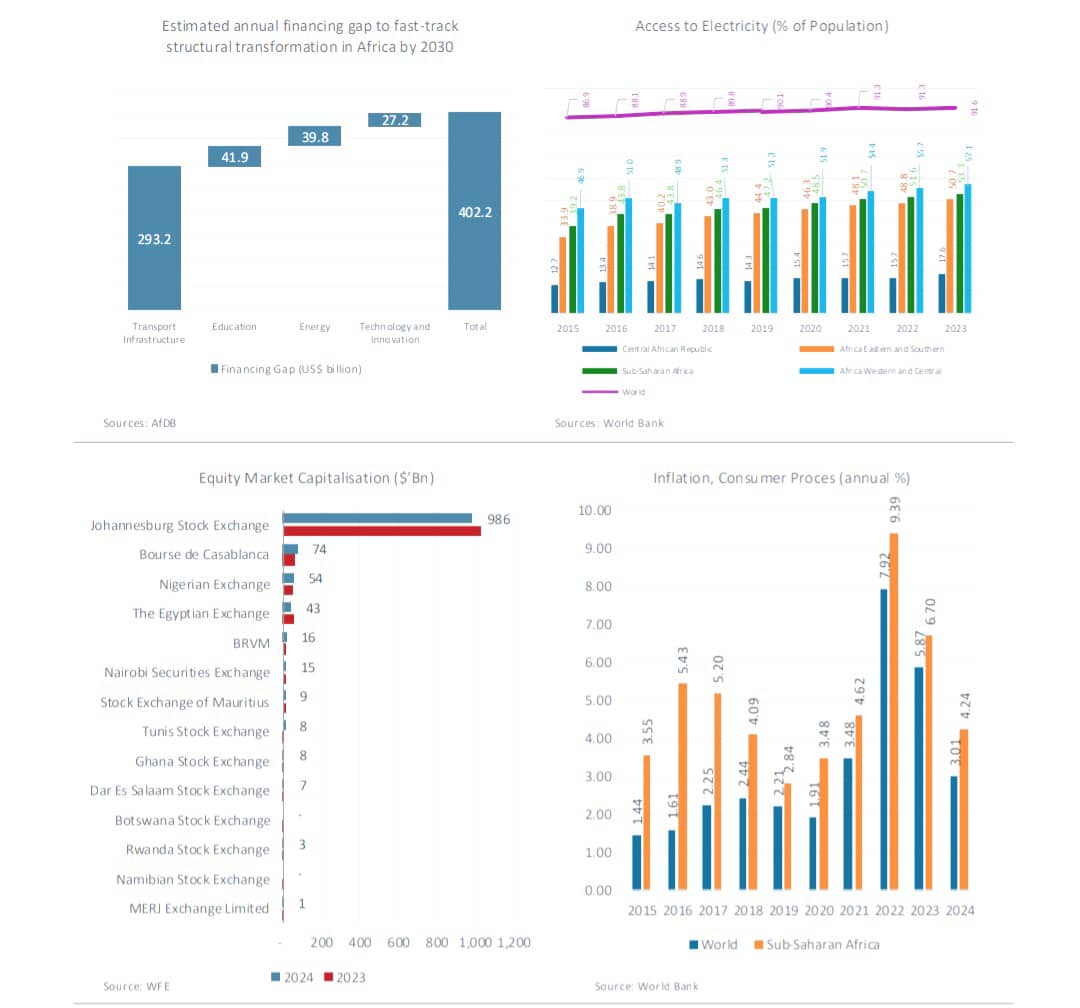
However, for companies looking to invest or expand into Africa, success also depends on key enabling conditions. According to business leaders surveyed, the top factors supporting investment are: The size of market and consumer demand (49.6percent); reliable and consistent energy supply (48.4 percent); access to affordable, educated and capable talent (44.8percent); efficient transportation networks, such as roads, ports, airports (38percent); and a favourable macroeconomic environment: low interest rates, low inflation, stable exchange rates, and seamless cross-border transactions and repatriation of earnings (38percent).
Demographic advantage as key factor of attraction…
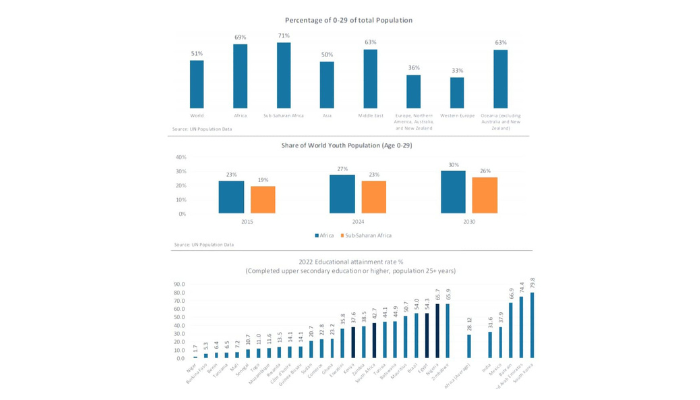
The survey by SMP further shows that by 2035, 1 in 4 people globally will be African, positioning the continent as the world’s largest working-age population hub.
“This demographic shift presents a unique advantage for labour-intensive industries and drives rising demand for consumer goods, digital services, housing, and transportation,” the report showed.
Read also: NBCC launches British Trade Centre to boost UK-Nigeria business ties
African economy demonstrates remarkable resilience…
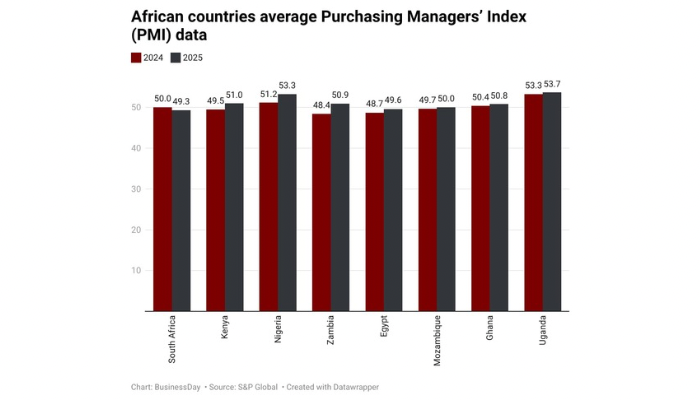
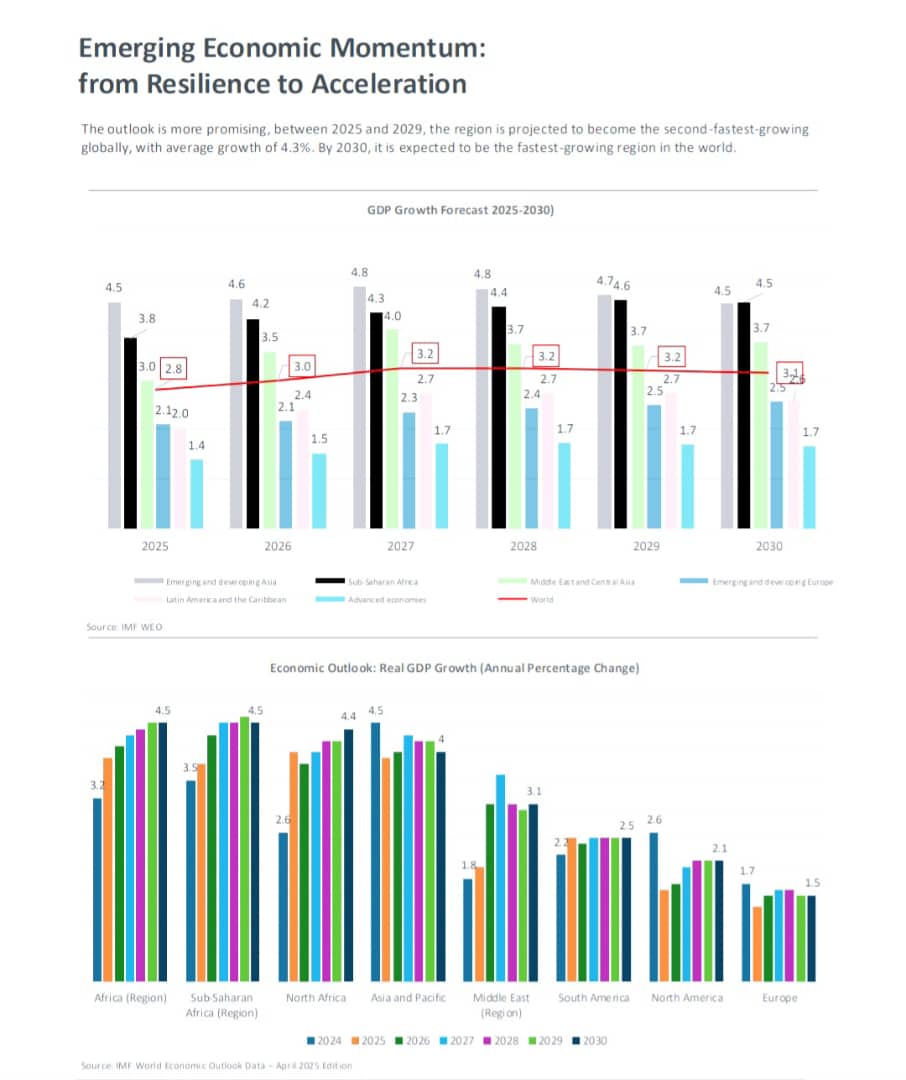
The African economy has demonstrated remarkable resilience and adaptability over the years. With a GDP of approximately $2 trillion in 2024, the region has maintained steady growth – since 2020, economic momentum has been evident, with an average annual GDP growth rate of 3.52percent.
Historically regarded primarily as a source of raw materials, the continent is now emerging as a vibrant and increasingly influential economic centre, shaped by its youthful population, accelerating innovation and regional integration efforts.
Africa presents one of the most compelling growth opportunity narratives of our time with over 30 percent of the world’s mineral reserves and a population set to comprise a quarter of the global workforce by 2035.
The outlook is more promising. Between 2025 and 2029, the region is projected to become the second-fastest-growing globally, with average growth of 4.3percent. By 2030, it is expected to be the fastest-growing region in the world.
South Africa, Egypt, and Nigeria are Africa’s largest economies by GDP and together account for about 27 percent of the continent’s population. The educational attainment rates in these three countries are comparatively high.
The share of the population aged 25 and older who have completed upper secondary education or higher is 43 percent in South Africa, 54 percent in Egypt, and 66 percent in Nigeria. These rates are on par with, or even higher than, those of other emerging economies, such as India (32percent) and the Gulf States (67–80percent).