



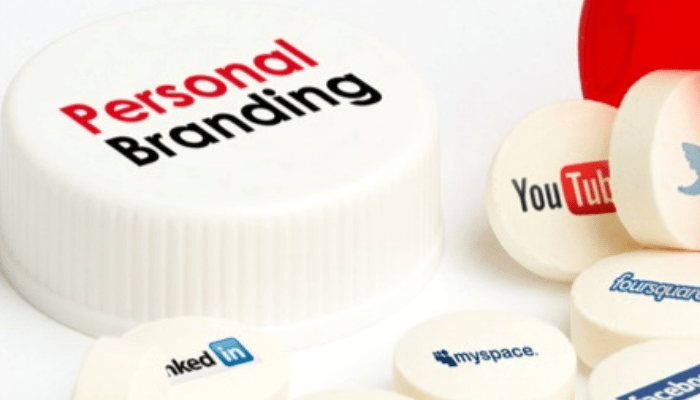
I once thought personal branding existed only for celebrities, influencers, and tech bros with blue ticks and ring lights. I just felt it was something extra, like a digital costume people wore to look polished and appear important. Now, the more I stepped into professional spaces, attended interviews, applied for internships, and showed up online, the more I realised that everyone has the potential to develop a personal brand.
The difference is that while some people are intentional about it, others leave it to chance, and yet, some do not even have or care about a personal brand. All they do is work. As a fresh graduate, student, young professional, or veteran in your industry, just trying to figure out life, your name already says something before you even walk into a room. The question is, are you intentional about it, or do you just leave it to chance?
Personal branding simply means perception. It is your story, values, voice, presence, attitude, and consistency. It is what people say about you when your name comes up in a conversation, or even when someone does a Google search on you.
Personal branding matters a lot, especially to young professionals, because in a world where thousands of graduates are chasing the same jobs, your personal brand is what will set you apart. It gives people something to remember about you. When done right, personal branding turns strangers into opportunities and gets you noticed, trusted, and recommended.

Think about it: recruiters check your socials before calling you. People scan your online presence before saying yes to a collaboration or referral. Even your classmates, colleagues, and mentors all form impressions based on how they relate to you. These impressions can be the difference between getting ghosted and getting a DM that says, “Hey, I saw your work, and I think we should talk.”
For young professionals, especially those still figuring out their direction, a strong personal brand acts like a compass. It keeps you aligned and helps you make career moves that are true to who you are. For industry veterans, a strong personal brand enables people in your business ecosystem to use you as a reference point for consulting, collaborations, and other business commitments like board appointments and referrals.
A major misconception about personal branding is that it is fake and that people are only trying to package themselves. However, real personal branding is not pretence. Rather, it is about showing up intentionally. You don’t even need to have everything all figured out before building your brand.
So, how exactly do you build a personal brand?
The first step is self-awareness. Take time to reflect on yourself, what problems you enjoy solving, what places you thrive in, and what you are known for. This is because your personal brand starts from a point of identity, so you need to know who you are to be able to explain yourself better.

Next is visibility. You can be a genius, but if nobody sees it, it’s almost like you don’t exist. This does not necessarily mean you have to be loud, but make sure you are seen. Visibility can be achieved on LinkedIn, for instance, by optimising your profile, sharing your ideas, documenting your process, and even sharing your accomplishments (no matter how small they might be). Tell your own story.
Then there is consistency. You can’t build a strong brand in just one post or reel. Personal branding is developed over time. Therefore, you must be consistent with your tone, values, and the content you post. Whether you are explaining to a recruiter, designing something, writing an article, or giving a presentation, make sure your audience experiences the same as you.
Finally, evolution is important. You will grow, and so your brand should too. Personal branding should not be static. It should be a dynamic and unfolding story, with you as the author.
To conclude, your personal brand is your anchor in a world full of noise. It gives you direction, identity, and influence and helps you stand out without shouting.
As a student, fresh graduate, content creator, or corporate professional, your brand is already speaking. However, what is it saying?
About the author:
Blessing Bolaji is a student at Pan Atlantic University, a writer, and an emerging corporate storyteller exploring how branding, media, and workplace culture shape the careers of young professionals.





