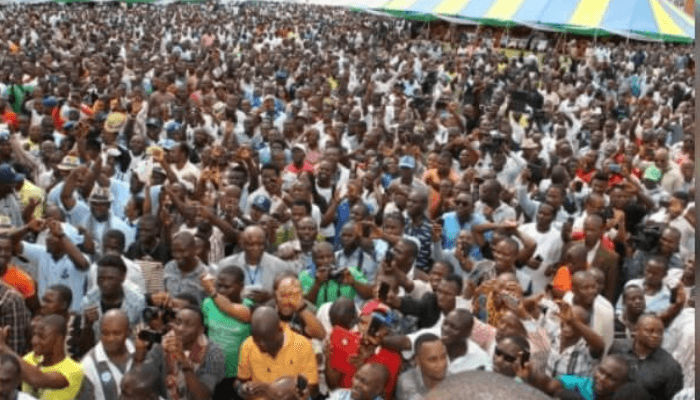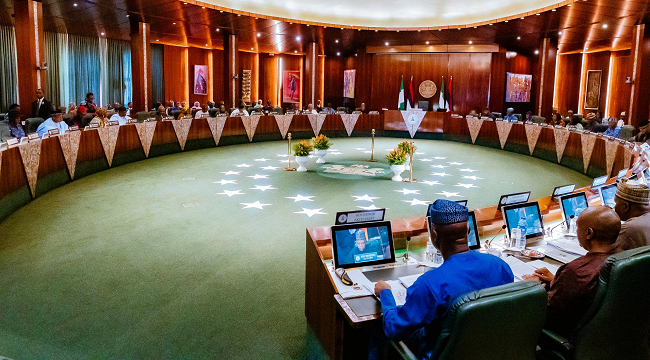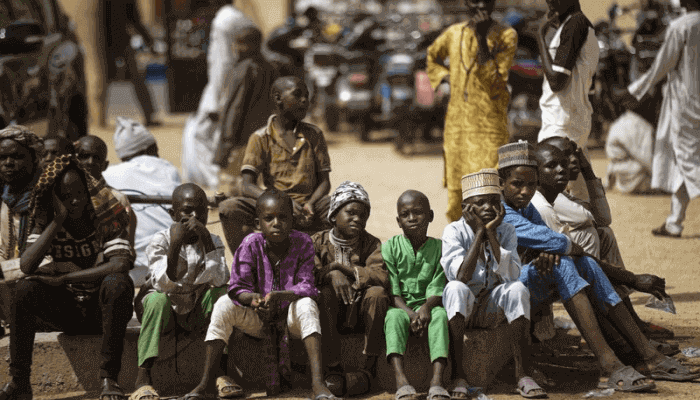
QUOTE: When you see the Nigerian government react with confusion to fury from its youth population following its refusal to get a rogue security agency under control, it is a telltale sign of a government made up of people who simply do not regularly walk around the streets of Ikosi and Mile 12
Growing up as a Jehovah Witness is what I believe played the most important role in creating the person I later became. This is because there were only two ways to survive – to either swallow the Kool-Aid wholesale and become a fully signed up automaton, or to discover the intricacies of leading an epic double or triple life.
It will shock no one to find out that I embraced the second option enthusiastically. What it meant was that while I was a normal kid in school and outside the house, at home and around the Kingdom Hall, I had to transform into different people to fit both places respectively.
At home I was the quiet kid who shut himself up in his room all day reading, only coming downstairs to eat and occasionally play football when my folks were out. At the Kingdom Hall, I was Johnny Everyman who smiled at everybody and shook everybody’s hands calling them “Brother” this, and “Sister” that. Anyone seeing me would believe that I was truly one of them – regular, working-class salt-of-the-earth who lived in Ikosi, Ketu and Mile 12 in the immediate vicinity of the Kingdom Hall.

READ ALSO: To Accelerate Nigeria’s Economy Quickly, Build Railroads Now!
Bourgeois Dave
In reality, I was the doted-on youngest son of a multimillionaire real estate investor who had about as much in common with them as I did with a remote tribe of Central African pygmies. Their lives centred around that neighbourhood – they were born there, went to school there, grew up there, often went from high school straight into trade work there, got married there, had kids there and died there.
I was born in a 2-bedroom duplex in Amuwo-Odofin, grew up in an 8-bedroom mansion in Ogudu GRA, went to school in Ikeja, traveled to another continent for university and generally had a much bigger worldview than they did. Even the Kingdom Hall we congregated in was built and donated by my dad – something he went to great lengths to conceal, unsuccessfully.
I secretly hated going there two or three times a week. I hated walking around Ketu preaching a message I did not believe into poor people who needed jobs and opportunities and education, not more dreams, deities and hot air. I hated having to pretend to be “Brother Dave” at the Kingdom Hall when I knew that the filial affection was a mile wide and an inch deep – I distinctly remember my parents laughing their heads off in private when they realised that one of said “brothers” was interested in courting one of my older sisters. I knew that we did not actually belong among people we could not relate to in any way, and I did not see the point in pretending to like them.

Humble Dave
This experience, however, turned out to be valuable for two major reasons. First, it taught me how to effectively camouflage myself and fit in with people from a different background to what I was used to. Unlike many of the people who I grew up with, I had the unique opportunity to experience Nigeria from completely different positions and develop an appreciation for both worldviews.
From a selfish point of view, this helped me become better at navigating the political minefield that is the Nigerian workplace. When I started working in Nigeria after youth service back in 2014, I had figured out how to strike a balance between being my normal confident self who bowed to no one and coexisting with people who would never forgive you for having wealthy parents.
The second and more important thing it taught me was empathy for other people who had a different experience of Nigeria and the world from the one I would otherwise be exclusively familiar with. A major problem that afflicts people from my background is the cavalier assumption that everyone is fundamentally like them, or at least a total failure to appreciate just how differently many people’s experience of life is.
When you see the Nigerian government react with confusion to fury from its youth population following its refusal to get a rogue security agency under control, it is a telltale sign of a government made up of people who simply do not regularly walk around the streets of Ikosi and Mile 12. If they did and they had some kind of sense of how desperately angry and stressed the mood on the street is, they would never behave like this.
They spend most of their time, however, exclusively rubbing up against people who are just like them, and that is why we keep having these regulatory flights of fancy. Eventually what will happen of course is that the streets will make their displeasure felt very sharply and unpleasantly, after which such policies will be quietly and unceremoniously reversed.
Just not before there is some avoidable human suffering thrown into the bargain.