
On a crisp morning in Lagos, industry experts, financial professionals, and key stakeholders gathered for the highly anticipated valuation seminar organised by Diya, Fatimilehin & Co in partnership with BusinessDay and the Royal Institution of Chartered Surveyors (RICS).
The seminar, themed “Decoding Valuation Standards: Implications for Financial Reporting and Investment,” focused on the critical need for improved valuation standards in Nigeria as the country aims to achieve a $1 trillion economy. This report details the key moments and insights from the event, which underscored the importance of credible valuation practices in fostering financial transparency and attracting investment.
Welcome Addresses
The seminar’s opening address was delivered by Gboyega Fatimilehin, the founding partner of Diya, Fatimilehin & Co. He welcomed the attendees and thanked the invaluable partners and sponsors who made the seminar possible, including BusinessDay, the Financial Reporting Council of Nigeria, and the Royal Institution of Chartered Surveyors. He also expressed gratitude to Eco Bank, FMDQ, and Nova Bank for their support.

“Valuation standards are crucial for financial reporting and investment,” he stated. He pointed out that many firms do not fully understand the quality of the valuations they receive, which poses risks that may crystallise in the future, especially when seeking external funding. He emphasised that credible valuation standards are essential for achieving Nigeria’s economic goals and ensuring the integrity and reliability of financial statements.

Following Fatimilehin, the publisher of BusinessDay, Frank Aigbogun addressed the attendees. He expressed BusinessDay’s excitement and pride in partnering with Diya, Fatimilehin & Co. for the seminar. Aigbogun emphasised the importance of maintaining credible and transparent records for asset valuation, noting that companies that adhere to high standards tend to perform better even in challenging times. “Having and pursuing a credible world-class standard in valuation is an important right way for an organisation to conduct its business,” he remarked.
The keynote address was delivered by Ugochukwu Nwora, head, directorate of valuation standards, Financial Reporting Council of Nigeria representing Rabiu Olowo, executive secretary/CEO of the Financial Reporting Council (FRC). Nwora outlined the FRC’s commitment to ensuring quality in financial reporting and valuations.
He announced the upcoming release of the first-ever valuation regulation by the FRC, aimed at establishing consistent and rigorous adherence to valuation standards. This regulation is expected to enhance the credibility and reliability of financial reports, thereby fostering investor confidence.

Nwora, emphasised the critical role of accurate valuations in safeguarding asset value and promoting sound investment decisions. He underlined the FRC’s dedication to ensuring the credibility, accuracy, and transparency of valuation reports, as they serve as essential tools for financial reporting and investment attraction. He expressed concern about the disturbing trend of firms manipulating valuation standards for personal gain.
He called for integrity and transparency, urging participants to take personal responsibility in safeguarding Nigeria’s journey toward a $1 trillion economy. Nwora stressed the importance of continuous education and awareness programmes to foster widespread understanding and compliance with valuation standards. He emphasised the need for collaboration among professionals to address loose ends and highlighted the significance of technology in valuation practices.

Fireside Chat: Decoding Valuation Standards
The seminar’s highlight was a fireside chat between Fatimilehin and Chris Thorne, CEO of Valueology. Thorne, a seasoned valuation expert with extensive experience in the United Kingdom commercial real estate market and global engagement across various asset classes, joined virtually from England. He is a fellow of the RICS and has held key roles including technical director at the International Valuation Standards Council and senior director at BNP Paribas Real Estate.
In his introductory remarks, Thorne expressed his pleasure in participating in the seminar and his previous experiences in Lagos. He highlighted the importance of valuation in business decisions, including justifying sell or purchase decisions, establishing collateral value for lending, and assessing investment performance.
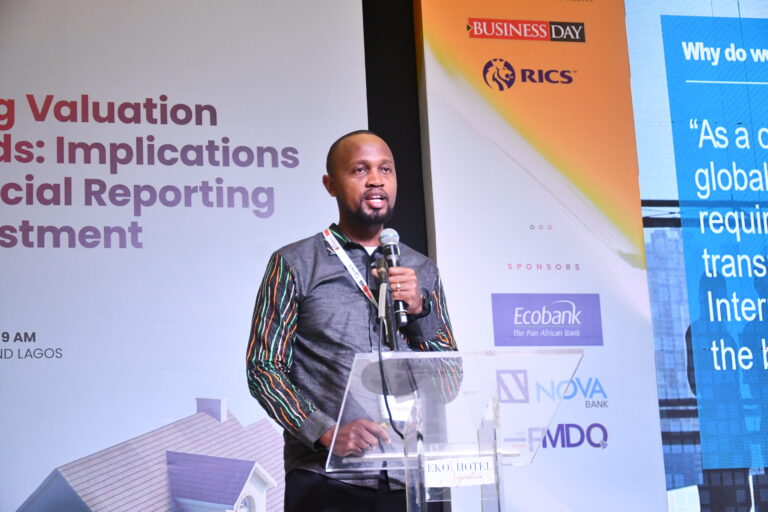
“Valuation is core to business decisions,” he emphasised, noting its crucial role in the banking sector and financial stability requirements under Basel regulations.
Thorne elaborated on the importance of valuation standards, describing valuation as a theoretical transaction requiring common rules for comparability and trust. He stressed that standards ensure valuations are reliable and credible, preventing discrepancies that could lead to financial risks.
He provided an overview of international valuation standards, noting that the RICS Red Book and the Nigerian Green Book follow similar patterns, ensuring alignment with global standards. This alignment is vital for comparability and reliability in financial reporting and investment decisions.
Thorne also discussed the relationship between valuation standards and international financial reporting standards (IFRS), emphasising the importance of consistency and adherence to standards. He highlighted the collaborative efforts between valuation professionals and accounting standard setters, noting the common principles and definitions that underpin both valuation and financial reporting standards.
In the context of valuations, understanding the importance of standards is crucial from financial reporting, investment, and risk management perspectives. Standards ensure consistency and reliability in valuations, making them believable and credible. Valuers must comprehend the purpose of a valuation and provide appropriate warnings to avoid misuse for other purposes.
In summary, IFRS 13 plays a crucial role in measuring the fair value of assets and liabilities in financial reporting. Accurate valuations are essential for companies, investors, and regulators to make informed decisions and ensure compliance with standards. IFRS 13 aligns with investment and risk management perspectives, providing accurate information for evaluating returns and managing risks effectively. However, some banks face challenges in maintaining updated valuations, emphasising the need for better compliance and adherence to standards.

Need for Appropriate Valuation Methodologies
Valuers must understand market participants’ pricing methods for assets and use appropriate valuation methodologies. Cross-checking with multiple methods is advisable, but averaging results should be avoided. Different methodologies include:
● Market Approach: Comparing similar assets in the market.
● Income Approach: Calculating the present value of expected future cash flows.
● Cost Approach: Estimating the cost to replace an asset.
Valuers should ensure the chosen method reflects market participants’ perspectives and reconcile any discrepancies in results.
Furthermore, valuation standards, such as IFRS 13, require accurate valuation reporting and clear rationales to ensure compliance. Regulators monitor compliance, and non-compliance can result in penalties. Valuation errors can mislead stakeholders and impact financial reporting and investment returns.
Additionally, technological advancements and environmental, social and governance (ESG) factors are influencing valuations, with automation being used in residential markets and sustainability becoming a key consideration in commercial real estate. Valuers must stay updated on these trends to provide accurate and compliant valuations. In Nigeria, integrating global best practices, such as a centralised database for property transactions, can improve the reliability of valuation data.

Insights from the First Panel
This panel was themed “Decoding Valuation Standards: Implications for Financial Reporting and Investment.” The panellists were: Ben Elder FRICS, director of Valuation, RICS; Odunayo Ojo, MD, UPDC; and Jamiu Olasisan, partner/assurance leader, EY was the moderator.
The first panel brought together esteemed experts to discuss the critical aspects of valuation standards and their impact on financial reporting and investment decisions. The session aimed to provide insights into global valuation practices, address the challenges faced in the Nigerian context and explore the role of technology in shaping the future of property valuation.
Data Reliability in Valuation
On data reliability in valuation, Ben Elder FRICS emphasised the following:
● Valuers should use multiple data sources and verification processes to ensure accuracy.
● Transparency in reporting data sources and methodologies helps build trust.
● Advanced technology can assist in managing and analysing large datasets.
● Professional standards and training ensure valuers stay updated.
● Strong regulatory frameworks with regular audits are essential for compliance.
Technology and Innovation in Property Valuation
On technology and innovation in property valuation, Ojo outlined the following:
● Big Data Analytics: Facilitates processing and analysis of large data volumes, leading to more accurate valuations.
● Geospatial Technologies: GIS and remote sensing provide detailed spatial data, enhancing assessment accuracy.
● Blockchain: Ensures secure and transparent recording of property transactions, reducing fraud and ensuring data integrity.
● Automated Valuation Models (AVMs): Utilise algorithms and machine learning for quick and cost-effective valuations, supporting preliminary assessments.
● Virtual Reality (VR) and Augmented Reality (AR): Enable virtual property inspections and presentations, aiding remote assessments.
● Integrated Platforms: Combining various data sources, analytics tools, and valuation models to streamline processes and improve accuracy.
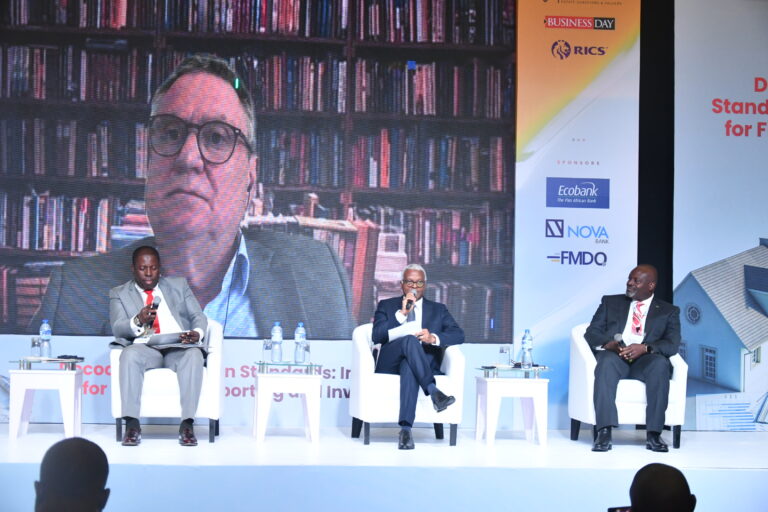
These advancements have the potential to address many of the current challenges in property valuation, from data reliability to efficiency and transparency. Embracing these technologies will be key to the future of property valuation in Nigeria.
Lessons for Nigeria
● Adopt International Standards: The adoption of international valuation standards and processes like the green book in Nigeria promotes consistency and transparency.
● Data Scrutiny and Cleansing: Regular auditing and review processes are essential to ensure data accuracy and reliability.
● Technology and Big Data: Leveraging big data and advanced technology tools can improve data collection and validation processes.
Risk and Uncertainties in Valuation
● Lack of transparency, reliable partners, and environmental factors pose risks in valuation.
Use of Technology in Valuation
● Technology provides easy access to data, and advanced valuation tools, and disrupts the traditional valuation process, enhancing accuracy and efficiency.
Understanding Business Purpose of Valuation
● Valuers need to comprehend the valuation’s intended purpose to apply the correct basis of value.
Disclosure Requirements in Valuation Reporting
● IFRS compliance requires detailed disclosures about valuation techniques, inputs, and sensitivity analysis.
● The highest and best-use disclosure ensures the asset’s maximum value reflection.
In conclusion, the reliability of data and accuracy in property valuation can be significantly improved by adopting international standards, leveraging technology, ensuring thorough auditing processes, and providing clear disclosures. These practices help create a more transparent and reliable valuation environment, benefiting all stakeholders involved.

Insights from the Second Panel
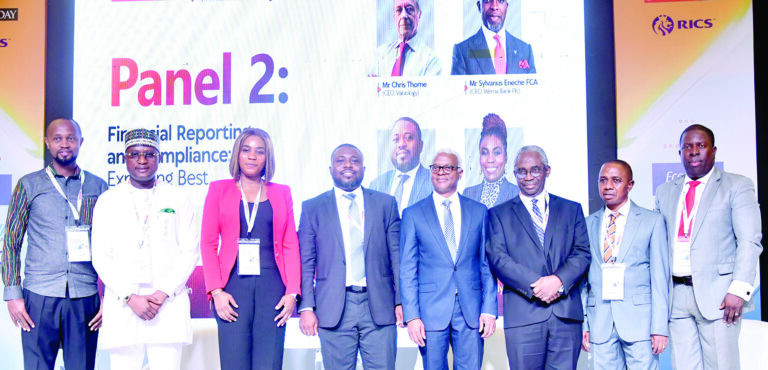
The second panel was themed, “Financial Reporting and Compliance: Exploring Best Practices.” The panellists were Chris Thorne FRICS, CEO Valuology; Sylvanus Eneche FCA, chief risk officer, Wema Bank Plc; Olamide Obajimi, partner, Olaniwun Ajayi; Omobolanle Adekoya, partner/head, Capital Markets, PwC and Uloma Ojinmah, partner, PwC Nigeria, moderator.
It is crucial to understand the significant role that accurate, transparent, and compliant financial reporting plays in safeguarding the interests of investors and other stakeholders. Adhering to IFRS standards and faithfully representing financial information to ensure informed decision-making is critical.
During this session, Olakisan highlighted the key elements that users of financial statements are particularly interested in regarding the valuation of tangible assets. These include:
Valuation Methodology: Clear disclosure of the valuation techniques used (market, income, or cost approach) and the rationale behind the chosen method.
Frequency of Valuation: Understanding how often valuations are conducted, especially in volatile markets where asset values can fluctuate significantly.
Inputs and Assumptions: Detailed information about the inputs used in the valuation process, including observable and unobservable inputs, and any significant assumptions made.
Fair Value Hierarchy: Classification of the valuation within the IFRS 13 fair value hierarchy (Level 1, 2, or 3) to indicate the reliability of the valuation inputs.
Sensitivity Analysis: Analysis of how changes in key assumptions or inputs could affect the valuation outcome, providing users with a sense of potential volatility and risk.
Regulatory Compliance: Ensuring that valuations comply with relevant accounting standards and regulations, providing assurance to stakeholders that the financial statements are reliable and accurate.
These elements help stakeholders make informed decisions based on the financial health and performance of the company.
Thorne, took a deep dive into the insights and specific inputs and information that valuers should include in their reports to ensure they align with financial reporting requirements. These include:
Valuation Date: The effective date of the valuation, which should align with the reporting period of the financial statements.
Valuation Method: A detailed description of the valuation method used (e.g., market approach, income approach, cost approach) and the justification for selecting that method.
Inputs and Assumptions: A thorough explanation of the inputs used, including market comparables, discount rates, income projections, and cost estimates, along with any assumptions made during the valuation process.
Sensitivity Analysis: An analysis showing how changes in key inputs or assumptions could impact the valuation, helping stakeholders understand potential risks and variability.
Compliance with Standards: Confirmation that the valuation complies with relevant standards, such as IFRS 13, and any regulatory requirements.
Fair Value Hierarchy: Information to help classify the valuation within the IFRS 13 fair value hierarchy, providing context on the reliability and observability of the inputs used.
Reconciliation of Valuation Results: A reconciliation of the valuation results with the carrying amounts in the financial statements, explaining any significant discrepancies.
Including these elements in valuation reports ensures transparency and helps users of financial statements understand the basis and reliability of the valuations provided.
On how investors and other stakeholders can benefit from robust financial reporting and disclosures, Obajimi stated the following.
Informed Decision-Making: Comprehensive and transparent disclosures provide the necessary information for stakeholders to make informed investment decisions, understanding the true value and potential risks associated with the company’s assets.
Trust and Confidence: Accurate and detailed financial reporting builds trust and confidence among stakeholders, ensuring they rely on the financial statements for investment and regulatory decisions.
Regulatory Compliance: Adherence to IFRS and other relevant standards ensures that the company is compliant with regulatory requirements, avoiding potential legal and financial repercussions.
Risk Assessment: Detailed disclosures, including sensitivity analyses and assumptions, help stakeholders assess the potential risks and volatility associated with asset valuations, enabling better risk management.
Transparency and Accountability: Robust reporting and disclosures enhance transparency and accountability, ensuring that the company’s financial practices are clear and understandable to all stakeholders.
Overall, these benefits contribute to a more stable and trustworthy financial environment, supporting the company’s long-term success and stakeholder satisfaction.”
On the specific challenges banks face when assessing the reliability of valuations provided for real estate collateral and how to mitigate these challenges, Eneche made both a detailed list of the challenges and solutions.
Valuation reports often vary, due to differences in methodologies, assumptions, or data. Trusted and reputable valuers with a proven track record are relied upon to mitigate this.
Challenges faced include a lack of market transparency, economic volatility, and regulatory compliance. Improvements desired include standardised valuation methodologies, enhanced data availability, and training and certification for valuers. The goal is to ensure consistent, transparent, and reliable valuations that support informed decision-making and risk management.
Incorporation of ESG Factors into Property Valuation Globally
ESG factors, including climate resilience, sustainability features, regulatory compliance, social impact, and governance practices, are increasingly influencing property valuations globally.
Valuers consider a property’s resilience to climate change impacts, sustainable features, and compliance with environmental regulations when determining its value.
Properties with higher resilience, lower operating costs, and positive community impact tend to be valued higher. Strong governance practices can enhance property values by reducing risks associated with fraud, corruption, or mismanagement. ESG factors are becoming crucial in property valuations, driven by growing awareness of sustainability and the impact of environmental and social factors on property values.
To ensure ESG factors are adequately considered, valuers must stay informed about evolving regulations and market expectations. They should also engage with clients to understand their sustainability goals and how these may influence property values. Additionally, the integration of ESG considerations into valuation standards, such as the Red Book and International Valuation Standards (IVS), provides a structured approach for valuers to follow.
Address from Royal Institution of Chartered Surveyors
Boniface Waweru, director partner, Development SSA, RICS delivered the address. He highlighted the benefits of RICS membership, professional standards, and training opportunities available to surveyors. Waweru also emphasised that RICS standards and qualifications are recognised as the global benchmark in land, property, and construction sectors.
Quotes
“Valuation standards are crucial for financial reporting and investment,” Gboyega Fatimilehin, founding partner, Diya, Fatimilehin & Co.
“We will rely on information from you. We are not omniscient,” Ugochukwu Nwora, head, directorate of valuation standards, Financial Reporting Council of Nigeria
“Valuation is core to business decisions,” Chris Throne FRICS, director, Valuology