The U.S. Agency for International Development (USAID) has launched a $10 million supported health activity that will prevent and repair complications from obstetric fistula in Nigeria.
U.S. ambassador to Nigeria, Mary Beth Leonard virtually joined Nigeria’s minister of women affairs and social development, Pauline Tallen to launch the project which will correct the debilitating condition arising during pregnancy and childbirth by a lot of Nigerian women.
The USAID/Nigeria Safe Surgery in Family Planning and Obstetrics activity, as part of the global USAID momentum project, will reduce maternal and new-born mortality and morbidity by supporting institutions and local organisations to introduce, scale-up, and sustain evidence-based prevention and surgical management of obstetric fistula and female genital mutilation, mitigating the adverse effects and complications of these conditions.
Read Also: Nigeria gets $168.5m USAID fund for healthcare, education lift

“This new U.S. assistance will help Nigeria’s health care providers identify, manage, and prevent obstetric fistula, female genital mutilation, and other forms of gender-based violence in a complementary manner,” Leonard said at the launch of the activity.
“Fistula is both preventable and treatable, and by working in partnership with the government agencies, we can do both,” she stated.
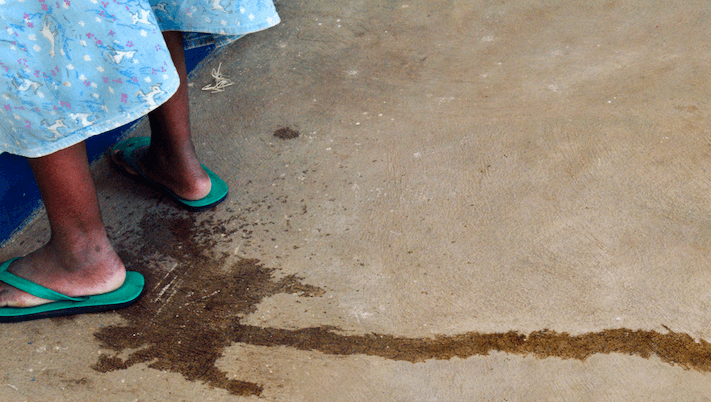
According to a statement by the US embassy on Tuesday, obstetric fistula occurs when complications during delivery result in a hole between the mother’s birth canal; either the bladder or rectum — usually exacerbated by a lack of quality medical treatment.
Nigeria accounts for 40 percent of fistula cases worldwide. The country reports 13,000 new cases of fistula per year, and as many as 400,000 women languish on waiting lists for corrective surgery.
The $10 million activity builds on the gains of the previous USAID funded fistula interventions in Nigeria, which conducted over 18,400 fistula surgical repairs and about 800 non-surgical repairs in 14 fistula centres in 13 states. Under the activity, partners trained more than 50 surgeons in fistula repair and 2,700 other healthcare workers in fistula prevention and treatment.

Over the next five years, USAID Implementing Partner: EngenderHealth will lead a coalition of local and university-based international partners and professional organisations to implement the activity in Bauchi, Ebonyi, Kebbi, and Sokoto States, as well as the Federal Capital Territory.
“This is a call to action. All hands must be on deck. So many women are in so much pain. The need is tremendous. This robust program will reach more women who are suffering and empower survivors with hope and the joy of living again,” Tallen said.