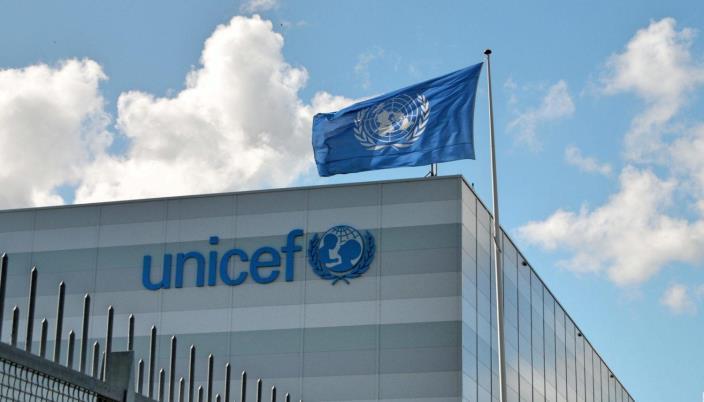
The German Government, through the United Nations Children’s Fund (UNICEF ) and World Food Programme (WFP), has set aside a €20million fund to build resilience and dignified future for Borno and Yobe states communities in northeast Nigeria.
The UN agencies, announced that the project was funded by the German Federal Ministry for Economic Cooperation and Development (BMZ) through KfW Development Bank.
Rownak Khan, UNICEF deputy representative Nigeria while speaking jointly during the launching of the project with theme: “Jointly Resilience and Social Cohesion in North-East Nigeria phase 2″ held in Maiduguri on Wednesday that the project would targets 200,000 people.
She noted that the project aimed to solidifying the achievements recorded in phase 1 where it reached over 150,000 people access essential services, and 40,000 out-of- school children return to class as well as over 300, 000 people now have access to safe water.

” We are here today because we believe that resilience is not just a cncept- it is a right. And peace is not a goal , it is a necessity for every child, every women, and every household in northeast Nigeria,” she said.
“Over the past four years, Our life-sustaining support reached countless adolescent girls, female-head households, and persons with disabilities.
Read also: UNICEF, Borno to immunise 2.1m children against preventable deaths
“Today’s launch is more than just a programme inaguration. It is a call to actions for deeper partnership, for shared accountability, for coordinated planning, for increased state financing, and for sustained community engagement.”
Also,David Stevenson, WFP country director in Nigeria said the second phase will expand the achievements of the first intervention by increasing access to essential services, food security and peacebuilding initiatives reaching more than 200,000 people.

He emphasised that years of armed conflict in Northeast Nigeria has taken a devastating toll on livelihood opportunities, social cohesion and the well-being of children and women.
He added that insecurity, combined with the escalating effects of climate change, has displaced families, destroyed agricultural livelihoods—the region’s economic mainstay—and contributed to growing food insecurity among vulnerable households and acute malnutrition among children.
“The program is funded with 20 million EURO by the German Federal Ministry for Economic Cooperation and Development (BMZ) through KfW Development Bank.
The joint project, focusing on resilience and peacebuilding, is being implemented by UNICEF and WFP in partnership with the governments of Borno and Yobe states,” Stevenson said.
“Food insecurity in Northeast Nigeria remains one of the most critical challenges, exacerbated by climate and economic hardship. I thank the support of the German Government, climate-adaptive food systems have been revitalized, improving nutrition and economic outcomes for the most vulnerable.
“Phase II will ensure these gains are extended to additional communities in Borno and Yobe states. To broaden its impact, the project will extend into four additional local government areas: Bama and Konduga in Borno state, Potiskum and Jakusko in Yobe state.”