|
Getting your Trinity Audio player ready...
|
The United Nations World Food Programme and Food and Agricultural Organisation have listed Nigeria top of 16 African countries hotspots.
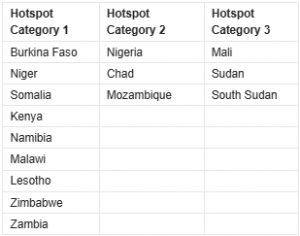
The countries listed include Burkina Faso, Nigeria, Somalia, Kenya, Namibia, Malawi, Lesotho, Zimbabwe, Zambia, Nigeria, Chad, Mozambique, Mali, Sudan and South Sudan.
The rating divided the 16 listed countries into three categories, in which Nigeria leads category 2 listed as ‘Hotspots of Very High Concern’
The data showed that three African countries were identified as Hotspots of the highest concern and they include Mali, Sudan and South Sudan. Other countries in this category are Palestine and Haiti bringing the global count to five countries. These countries require the most urgent attention.

Three countries were also identified as countries of very high concern and 10 countries were also identified as just hotspots.
Some of the countries at the highest hotspots concern are countries/territories with farming or risks of famine or with populations already in catastrophes.
The UN agencies published the Hunger Hotspots which highlighted the devasting impact of conflict, climate change and economic stability on food security across the world.
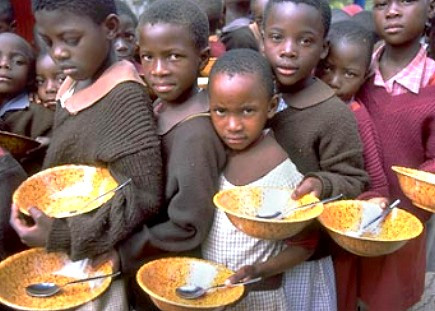
The Report noted that the causes of food insecurity in Africa are complex and multifaceted. Some of the key factors include conflict and political instability, climate change, poverty and inequality and rapidly expanding population growth.

The chief economist of the World Food Program, Arif Husain, noted that the intensifying impacts of conflict and climate change are leading to a surge in hunger levels in some nations.
“So you have conflict impacts, climate impacts in the same countries as well as both the combination of the two turns I to the economic devastation of the people, Husain said
He noted that currently, Asia has the largest number of hungry people, with 384.5 million individuals facing hunger in 2023, compared to Africa’s 298.4 million.
However, the report notes a worrying trend of rising undernourishment in Africa, where 20.4% of the population lacks access to nutritious food and predicts that Africa will soon have the highest number of people experiencing hunger.