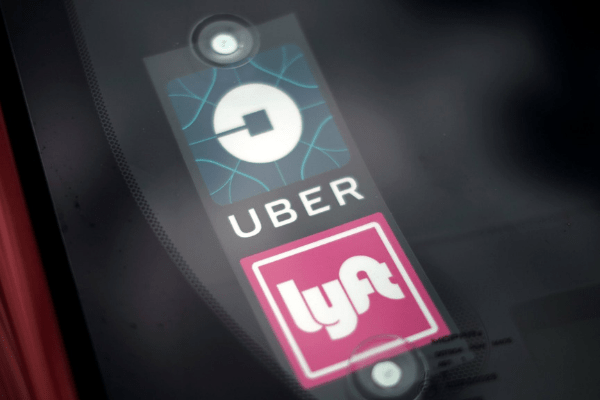
Shares of Uber and Lyft dropped to record lows on Tuesday as investors digested the implications of a proposed California law that could upend their business models by forcing them to change how they treat drivers.
Read More : How Uber is finding love in South Africa despite bleeding shareholders’ purse
A vote on Assembly Bill 5, the California law that could transform the employment status of drivers from independent contractors to employees, is expected as early as Wednesday.
Advocates say such a change would give drivers much-needed protections, such as a guaranteed minimum wage and the right to paid leave. There is currently no minimum dollar amount drivers are guaranteed to earn, nor a minimum percentage of the total cost of a ride they can expect to take home.

“It looks like we are getting closer and closer to it being codified into law,” said Tom White, tech analyst at DA Davidson Research. “This will certainly be an issue for Uber and Lyft, particularly if other states follow their lead.”
Lyft shares closed at $45.42, down 7.3 per cent on the day and 42 per cent lower than their closing peak on their the first day as a public company, March 29. The company’s market value is now $13.3bn.
Uber shares fell 5.7 per cent to $30.70, down 34 per cent from a peak of $46.38 on June 28. When the company went public this year it had hoped for a valuation of up to $55 a share, which would have valued it above $100bn. It is now worth about half that, $52.2bn.
Both lossmaking companies have pushed back strongly against California’s proposed law, which could magnify their tax bills and
outgoings. Uber and Lyft listed the possible change as a risk factor to their businesses in documents filed prior to going public.

The companies initiated a lastditch effort to reach a deal with California legislators on August 29, when they proposed a minimum wage of $21 per hour of driving, including expenses, as well as benefits that could include sick and holiday pay and the ability to organise.
But with the likelihood of a California Senate vote rising, the chances of reaching a compromise is waning. The Senate is expected to approve AB 5 in the coming days, following which the bill must be signed into law by the state governor.
Uber and Lyft have said they will challenge the new law if it does pass. Last week, the companies teamed up with food delivery service DoorDash to put a combined $90m towards supporting a ballot measure in November 2020, which would seek to exempt them from reclassification and lay out alternatives.
Joe Renice, 71, an Uber driver in the Bay Area who has completed more than 20,000 rides, said he was against the proposed law and believed it would actually hurt the drivers most in need.
“The supposition is that it’s better for drivers, but it will be worse because Uber and Lyft are public companies, and when a company goes public the parameters they operate in are defined by lawyers to protect stockholders.”
Uber typically takes a 25 per cent cut of fares. If it is forced to pay a higher minimum wage, then drivers who underperform would be the chief beneficiaries, on paper. But this assumes Uber hires them, and with the amount of data at its fingertips, it is more likely such drivers will simply not be hired, Mr Renice said.