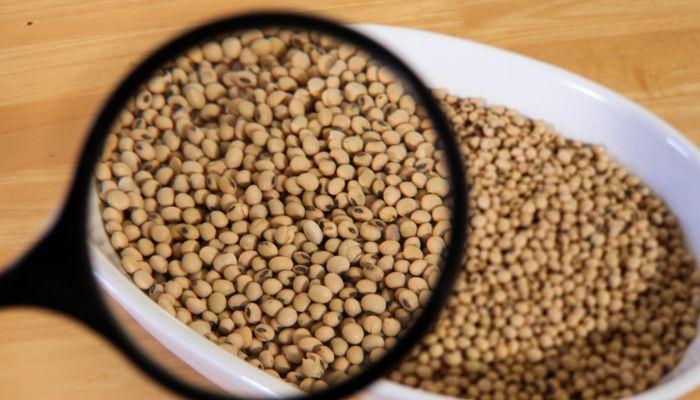
The United States soybean exports to Nigeria have surged to an all-time high of 62,100 metric tons (MT) in 2024, accounting for 97 percent of the total exports of the grain for the period after a six-year absence, data from UN Comtrade shows.
The surge was driven by a combination of factors, including strong demand for high-quality soybeans from Nigeria’s livestock industry, high population growth, and new investments in the edible oil industry.
Nigerian customers at the ongoing Soy Connext Conference – a U.S. Soybean Export Council (USSEC) global signature – said the surge in imports have created a new market opportunity for U.S. exporters to Nigeria amid U.S.-China trade uncertainties.
“There is strong poultry industry demand for quality soybeans for broiler production, and this is driving imports because we do not grow enough,” said Taiwo Adeoye, managing director of Rostal Resources Limited, at the conference in Washington, D.C., the United States.

Read also: FG unveils soybean policy to achieve N3.9trn annual revenue
Adeoye attributed the preference for U.S. soybeans to their quality and sustainability: “The U.S. has the best soybeans, and it has grown sustainably. I have visited the farms and seen their good agricultural sustainable practices being adopted in production.”
He said a ton of soybeans jumped from less than N500,000 to N1.2 million in one year to early 2024, noting that “this hit the poultry industry hard as profit margins were slashed significantly.”
According to him, imports from the U.S. helped to reduce local prices, easing farmers’ pressure, as soybeans and maize account for 70 percent of total production costs for poultry operators.
Africa’s most populous nation has a supply-demand gap in soybean production as the population continues to grow faster than its food production.

The country is the largest grower of soybeans in Africa with 1.35 million metric tons in 2023, according to data from the Food and Agriculture Organisation (FAO). However, it does not grow enough to meet its local needs.
Local demand is estimated at an average of 2.8 million MT, creating a supply-demand gap of 1.45 million MT.
The country’s poultry industry is expanding, and new investments in the edible oil industry are springing up, driving increased demand for protein-based seeds such as soybeans.
The U.S. soybeans have a crude protein content of 46.5 percent, according to an analysis by a South Dakota Soybean Processor, LLC.
The high protein content in the U.S. soybeans, according to the Nigerian customers at the conference, makes it a good protein source for broiler bird production.
“Our population is growing faster and we are not producing enough to meet the demand,” Samaila Maigoro, national president, Oil Seeds Processors Association of Nigeria, told BusinessDay at the conference.
Maigoro said that the demand from edible oil producers and feed millers is on the rise, fuelling more usage of the beans. He noted that local consumption of the grains in food recipes is also growing to address Nigeria’s high malnutrition, especially among children.
Read also: Soybeans can play crucial role in tackling Nigeria’s malnutrition crisis USSEC
“Imports are helping us to bridge the gap, and it has helped in crashing local prices to N750,000 currently,” Maigoro noted, stressing that it is the reason for the surge in 2024.
He noted that soybeans from U.S. origin are preferred owing to quality and consistent supply, adding that the grain is also well promoted, as customers periodically visit the U.S. to see how it is being grown sustainably.
Ayoola Oduntan, president of the Feed Industry Practitioner Association of Nigeria, said the country’s trade in soybeans benefits both the U.S. and Nigeria, noting that the world’s biggest economy is helping to bridge Nigeria’s supply gaps in soybean production.