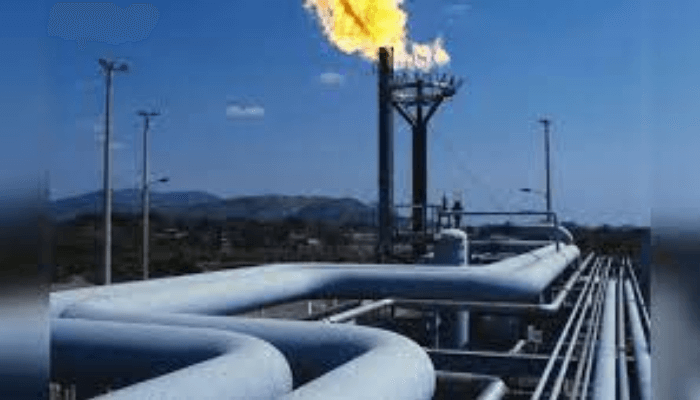
Energy transition from fossil fuels to renewables has led countries in Asia, Europe and America to set dates for banning internal combustion engines but this meets with the economic benefits of Africa strategically managing its oil and gas industry.
The 1.2 billion people strong continent can embrace clean energy without missing out on a critical means of giving more African households and businesses access to electricity through the use of its vast natural gas reserves, a new report published by the African Energy Chamber stated.
Nigeria, Algeria, Egypt, Tanzania and Libya are among the top ten producers of natural gas on the continent. Others are Angola, Ghana, Cameroon, Mozambique and the Republic of the Congo.
On a continent where millions of families are using traditional, hazardous biomass for cooking, where 600 million people lack access to reliable electricity, the idea of leaving valuable oil and, especially, natural gas, in the ground seems impractical, unpalatable, and inappropriate, analysts familiar with the size of Africa’s hydrocarbon reserves say.

According to the International Energy Agency (IEA), demand in Africa today is 700 terawatt-hours (TWh), with the vast majority, more than 70 percent of the total derived from North African economies and South Africa. But the IEA predicted that by 2040, the fastest demand growth will come from sub-Saharan nations. The continent generates.
Read also: In a world scarred by COVID-19, gas offers path to recovery
To meet this demand, African requires a diversified energy mix from fossil fuels such as natural gas to cleaner energy developments across the continent. While solar power and wind can help provide electricity to fill the current and impending power void, neither of them can furnish feedstock for industry, petrol for transportation, or process heat for manufacturing.
The African Energy Chamber’s newly released African Energy Outlook 2021 says, beyond the calamity created by COVID-19, in the short-term, the drive to curb carbon emissions is one of the conventional oil and gas industry’s biggest challenges, and one of Africa’s, too.
Nevertheless, two paths open up for oil producers on the African continent. Down one road, the continent expands exploration and production of its vast natural gas and oil reserves to bring electricity, fuel, and financial power to millions.

Down the other, it yields to pressure to help achieve climate targets, including outright bans on fossil fuels that would eliminate funding for natural gas projects.
“Doing what’s best for Africa and what’s right for the environment do not have to be mutually exclusive. Some form of balance is always possible,” Ayuk inferred.
Africa uses so little energy now. The continent’s emissions from oil and natural gas are minimal. In fact, the World Economic Forum estimates that if all of sub-Saharan Africa tripled its electricity consumption overnight using only natural gas, the additional carbon dioxide (CO2) would be equivalent to just 1 percent of global emissions.
The road to energy transition might be bumpy for everyone, but the idea of banning all fossil fuels makes it exceptionally treacherous, if not impassable, for Africa, according to NJ Ayuk, executive chairman of South Africa based African Energy Chamber.
Curbing emissions is a noble and essential goal. The problems associated with climate change are not something that can be ignored. After all, Africa is considered more vulnerable to the effects of climate change than many other areas, especially since so much of the population depends on regular rainfall to grow food crops.
“Fossil fuels are not going away tomorrow and would be around at least two or more decades. Within this period Nigeria and other African countries with oil and gas reserves have to quickly create an enabling business environment to fuel their economic and industrial development,” Ayodele Oni, energy partner at Bloomfield Law Practice told BusinessDay.
Assuredly, rising incomes and population growth will propel energy demand in Africa. The continent has the fastest growing population in the world, as well the youngest and greenhouse gas emissions are likely to increase as well.
However, adhering to an intelligent, modern energy plan that incorporates renewables along with natural gas offers some escape route from sustained greenhouse increase and opens the path to a lower carbon emissions future for Africa.
Harnessing a renewable resource for electricity is something African has a history with. The continent has been using hydropower for decades. It makes sense, then, to transfer this experience to the adoption of solar power.