Higher costs, slower transit times and a new playbook for exporters: SARA’s CEO lays out how Nigerian businesses can adapt.
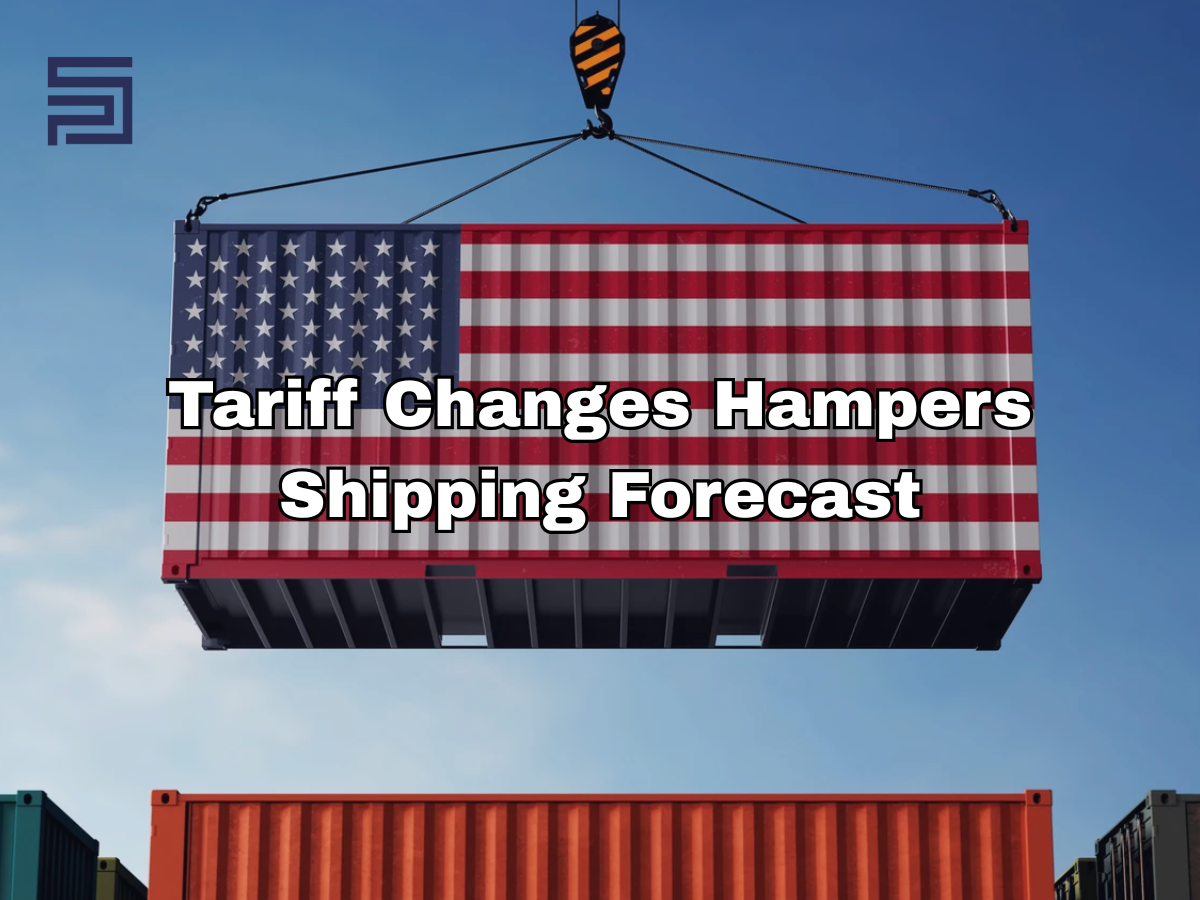
On April 2, 2025, the White House announced a reciprocal tariff package that began a period of rapid tariff revisions between the U.S. and multiple trading partners. The policy has been adjusted several times since, and a July 31 executive order reset country-specific duties to take effect on August 7, 2025.
The impact is already being felt: transit times are stretching, freight rates are rising, and exporters are rethinking their strategies. “What used to take an average of one week now takes about two to three weeks,” says SARA’s CEO.
Bilateral trade between Nigeria and the U.S. has been on the rise since the COVID-19 pandemic in 2020. In 2023 alone, the U.S. ranked among Nigeria’s top four trading partners, particularly in mineral fuels, oils, distillation products, lead, fertilisers, agro-commodities, and speciality items, contributing $4.86 billion in Nigerian export revenue, according to Trading Economics.

The Nigeria to U.S. shipping corridor underpins thousands of jobs in freight forwarding, warehousing and logistics on both sides of the Atlantic, and any impact on this can be devastating.
On-the-Ground Impact of the U.S. tariff changes.
“The recent U.S. tariff is a double-edged sword”, said Eghosa Ewone, the CEO of Sara Procurement Services Limited. “For Nigerian exporters, particularly those in niche categories like agro-commodities or finished African goods, this policy risks reducing export competitiveness in the U.S. market due to higher landing costs. In turn, shipping volumes may dip too as demand from U.S. buyers (either of African descent or otherwise) drops or shifts to alternative markets like Mexico, as there exist product similarities,” He further explained.
“On the flip side, our tariffs are about the lowest and, as such, give room to open up more export categories to explore. At SARA Procurement Services Limited, although our core focus is imports into Nigeria and slight exports to the U.S, we have observed in recent cases that freights on these routes now take longer periods to deliver due to U.S customs paperwork. What used to take an average of one week now takes about two to three, including clearance processes. Should this tariff situation linger on, lower volumes being recorded by carriers could lead them to spike rates to compensate for reduced load factor. This will affect exporters using shared or consolidated cargo planes and containers, particularly smaller businesses relying on freight forwarders like us.”

“One of the key challenges we’ve faced at SARA, and which many other small to mid-sized Nigerian shipping companies might also experience, is unpredictability in client demands. As tariffs cause U.S. buyers to hesitate or renegotiate terms, forward planning becomes harder, and this affects warehouse usage, shipping schedules, and cargo and container allocations,” he says.
“Another challenge is increased pressure on our customer service personnel. Clients often do not understand why total shipping costs are rising, despite constant news about the increased tariffs imposed and exchange rate challenges already in play. Explaining that part of this cost inflation is somewhat cumbersome and requires constant communication and trust-building, which we’ve invested heavily in through our WhatsApp community and proactive service approach at SARA.” Contact the team to join this community.
Expert Diagnosis By Eghosa Ewone
“Given the negative impact the hike in tariff could have on freight cost for exporters, a review of pricing models to account for the new tariff is key, so they don’t operate at a loss. It is also a balancing act situation in order to avoid losing customers,” he advises.
“I’ll advise them to begin negotiating Incoterms wisely (e.g., FOB instead of DDP) to pass some of the customs duties burden to their U.S. buyers. Consider in-country warehousing or fulfilment partnerships in the U.S. so as to ship in bulk and save on per-unit costs, as there are warehousing providers across America, including SARA’s U.S. facility, providing affordable inventory and order management.
Finally, as highlighted earlier, maintain a flexible product strategy, such that if a product is no longer viable due to tariffs, it can be replaced by another in-demand export that isn’t hit as hard.”
“Never rely on one market: Whether it’s the U.S. or China, you should have multiple revenue streams and geographic markets. Understand trade policies; It’s no longer enough to just ‘export.’ Business owners must stay informed about tariffs, duties, and changing regulations. Communicate with customers early when policies affect prices or delivery timelines, as this builds loyalty and prepares them for unavoidable adjustments,” he cautions.
“If these tariffs linger, we’ll keep adapting,” the CEO of SARA concludes, pointing to ongoing strategy reviews, deeper regional partnerships and a tech-driven service model as SARA’s roadmap through uncertainty.
About SARA Procurement Services Ltd.
SARA Procurement Services Ltd. is a full-service supply-chain partner for African businesses, offering end-to-end sourcing, procurement, freight forwarding (air & sea), customs brokerage, warehousing and last-mile logistics, backed by payments and track & trace tools to keep shipments visible from origin to delivery.
With warehousing in Guangzhou, Shenzhen and Lagos and on-the-ground sourcing support across China, the UK, the U.S. and beyond, SARA helps brands reduce risk, cut landed costs and scale export operations quickly. Learn more about SARA’s services or get support for your next shipment via the company’s service page and contact team today.