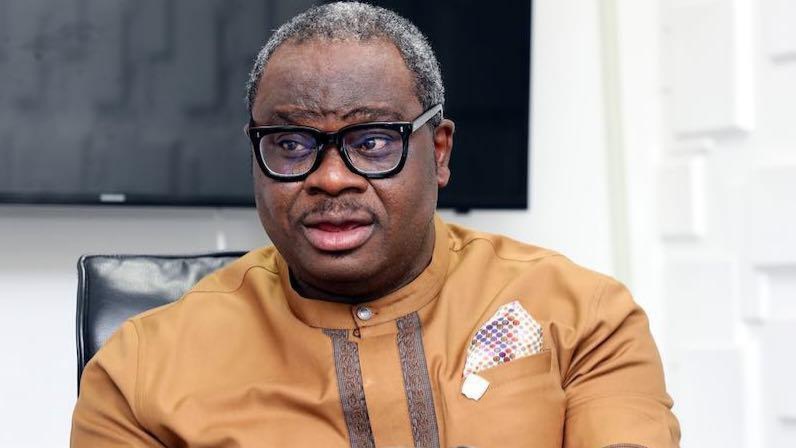
Ola Alokolaro is a partner and head of the energy and infrastructure group at Advocaat Law Practice. He advises clients in the oil, gas and power industries. In this interview with Olusola Bello, he spoke on various issues shaping the sectors. Excerpts
What is your name and what do you do?
My name is Ola Alokolaro and a partner with Advocaat Law Practice
How long have you been in practice, focusing on oil and gas related issues?

I have been practicing law for over two decades working with participants in Nigeria’s energy sector for roughly the same number of years.
What are your thoughts about the Petroleum Industry Bill and how do you think we can get out of the logjam?
It is quite unfortunate that we find ourselves where we are, given that most oil producing countries have implemented their oil and sector reforms. That said however, it is my firm belief that with the 9th assembly, the reform bills should scale through and receive presidential assent. My understanding is that Mr. President has made the reasons why he did not assent to the Petroleum Industry Governance Bill (PIGB) known to the lawmakers and the necessary amendments have been made to the Bill. We have also been assured by the Senate President that the Bill will be passed under his leadership.
The key factors that have caused the delay are the fiscal regime and the host community issues. How do you think the stakeholders can go round these issues?
Well, first and foremost, I think we have come a long way in terms of resolution of the Host Community issues and you will probably observe and agree that there has been minimal disruption to crude oil production activities in the oil-producing communities due to host community issue. Whatever disruptions there has been, has been through vandalism as opposed to community agitation. That said, it is still important that the reform bills are passed to provide some legal backing to the various structures that the government wants to put in place for the a harmonious relationship between host communities and oil companies.

In terms of the fiscal bill, the key objective of any resource rich nation is the maximization of revenue from its natural wealth and that is no different for Nigeria. The government’s key objective is to derive as much revenue from its natural resources for its people. There has been engagement with the international oil companies who have expressed concerns with the proposed fiscal regime as this would limit their returns on investment but ultimately this will be resolved.
Considering that PSC has been very contentious, how do you think it can be resolved?
I think technology and knowledge has come a long way since the negotiation and execution of the PSCs particularly those related to the deep offshore acreages. There has to be engagement between the government and the IOCs in respect of the proposed review of the PSC’s and I am sure there would be a resolution of any differences.
I understand you are also active in the legal aspects of electricity; can you tell us more about the (recent) review of electricity tariff?
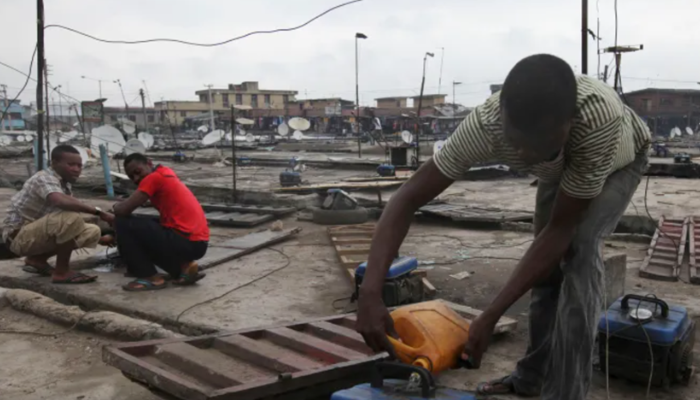
I am sure you are aware of the liquidity challenges of the electricity value chain. For the industry to work seamlessly, consumers have to pay electricity real price of electricity which is not what we currently have hence the liquidity challenges. What we have presently is subsidized electricity prices, and I am not too sure how sustainable it is for us to continue to subside the entire energy industry. Subsidies ultimately affect the bottom-line of governance and the ability of government to invest in other sectors such as schools and hospitals. So there is need for better enlightenment of the populace about electricity not being a free service but one which attracts a fee just like the GSM phones we are now all accustomed to using. Once the populace is enlightened as to the need to pay the appropriate tariffs then we would be able to see a functional and effective power sector. One based on enforceable bilateral contracts.
What are your views on eligible customers and embedded power policies?
Let’s take a look at the two policies that were introduced. The electricity value chain consists mainly of generation, transmission and then distribution.
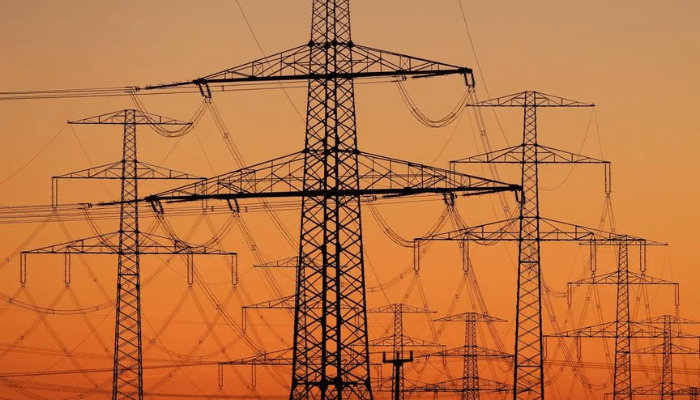
In terms of generation, the country has generating capacity of about 7000megawatts (MW) and of this what we are able to wheel is about 3,000mw or slightly higher at the maximum. For a population of close to 200m people, if you do the mathematics this is not good enough for a nation that wants to industrialise. The inability to wheel more of the electricity generated is down to old worn out transmission wires that need to be repaired and replaced after decades of neglect and no investment. This is evident in the frequent system collapse and total blackouts we have in the country. You then have the distribution companies that are having their own challenges in terms of paucity of funds for investment in new technology and equipment for better billings and collections challenges in terms of being able to get revenue. So let us take the embedded power generation policy. This was designed to localize generation near distribution infrastructure given the state of the transmission infrastructure. The electricity generated can be injected into the sub-stations and power localities so that those localities can have power on regular basis which should increase economic activities in these areas.
For this to work, an appropriate pricing framework that would support private sector investment in embedded generation is key. Now, to the Eligible Customer Regime, which for all intent and purposes it is looking at large scale industries that use a lot of power like the steel and other manufacturing industries. This regime is yet to take off given the unresolved issue of competition transition charges due to Distcos for the Eligible Customers leaving their network.