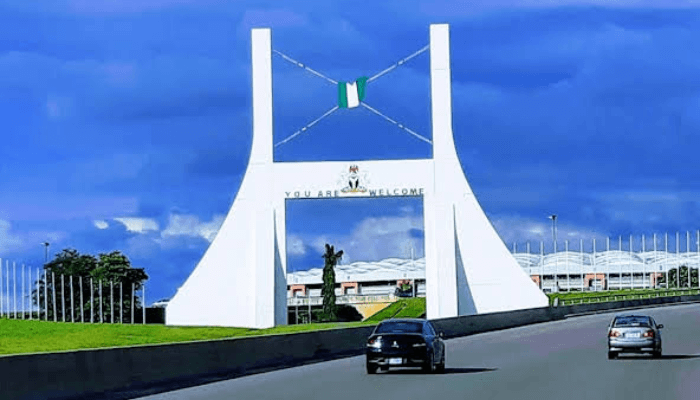
In a city long burdened by fragmented infrastructure and underwhelming public spaces, Abuja stands on the verge of a lifestyle renaissance. The Uptown Mall, set to open its doors soon, is not merely another retail complex; it is a declaration of intent. A bold reimagining of what urban living can become in Nigeria’s capital, and perhaps a blueprint for the rest of West Africa, where integrated city life is no longer aspirational but attainable.
Strategically located just minutes from Jabi, Utako, Maitama, Asokoro, and the Central Business District and within 30 minutes of the Nnamdi Azikiwe International Airport, The Uptown offers a radical proposition: that living, working, shopping, dining, and relaxing can all happen in one place, around the clock, without compromise.
This 24-hour lifestyle hub is the first of its kind in Nigeria. Spread across five meticulously designed levels, the complex houses retail outlets, wellness centres, hospitality spaces, recreation zones, and business services, all under one roof. The idea is as ambitious as it is timely. As Abuja’s middle and upper classes increasingly demand safer, more cohesive urban experiences, The Uptown responds with thoughtful integration: a rooftop event venue that’s the largest in the country, the highest concentration of restaurants in a single location, and co-located serviced apartments for residents who seek seamless daily living.
In a city often choked by commuter stress and urban sprawl, proximity becomes a luxury. At The Uptown, the promise is simple yet profound: one can wake up, work out, attend meetings, host friends, shop, dine, and unwind, all without leaving the premises. That is not just convenience. That is urban innovation.
The dining and leisure offerings reflect Abuja’s increasingly cosmopolitan character. Seven restaurants serving global cuisines, a buzzing outdoor café strip, and even a bukka-style eatery celebrate both international and Nigerian tastes under one stylised canopy. Entertainment includes a cinema, arcade, bookshop-library, rooftop lounge with panoramic views, and a safe children’s play zone. These are not mere amenities; they are the new architecture of social life.

In health and wellness, the mall makes another bold stride. Nigeria’s largest in-mall fitness and wellness centre, accessible via a subscription-based membership, offers a fully equipped gym, spa, salon, swimming pool, and sports store. The Health Boulevard, anchored by what is reputed to be the largest pharmacy in Nigeria, includes ENT and dental clinics alongside first-aid services. It’s a serious commitment to well-being, a sector too often neglected in real estate planning.
The retail floors span electronics, groceries, home décor, fashion, and daily essentials. Yet, what distinguishes The Uptown is the integration of lifestyle with function. From co-working lounges and airline ticketing desks to a basement mosque, laundry services, and 24/7 concierge support, the development is designed to meet every aspect of urban life.
This vision is brought to life by Smart Residences Ltd., a company known for pushing the boundaries of urban hospitality. As the only hospitality brand in Nigeria rated by Agusto & Co. and DataPro, Smart Residences brings credibility, experience, and a proven track record to the project. Their commitment to facility management, customer service, and innovation ensures The Uptown meets international standards.
But the significance of The Uptown goes beyond its architecture or service offering. In a country where malls are often limited to shopping or cinema, this is a new paradigm: a space not just for transaction, but for connection—where culture, commerce, and community can coexist.
Some may ask: who is this really for? It’s a valid question. The sophistication and scale of the Uptown may appear out of reach to many. Yet, its emergence sets a benchmark, one that challenges urban developers, planners, and policymakers to reimagine what Nigerian cities can offer their people: not just the elite, but a broader demographic yearning for dignity, beauty, and functionality in their daily environments.
The Uptown will not address all of Abuja’s urban challenges. But it may ignite a necessary conversation about what a modern African city can and should be, when vision, design, and execution align.

Abuja deserves more places like The Uptown. Not just malls, but multi-functional civic spaces that foster community, convenience, and creativity. If the African city of the 21st century is to compete globally, it must serve its people locally, with elegance, efficiency, and purpose.
Welcome to the future; Welcome to The Uptown.