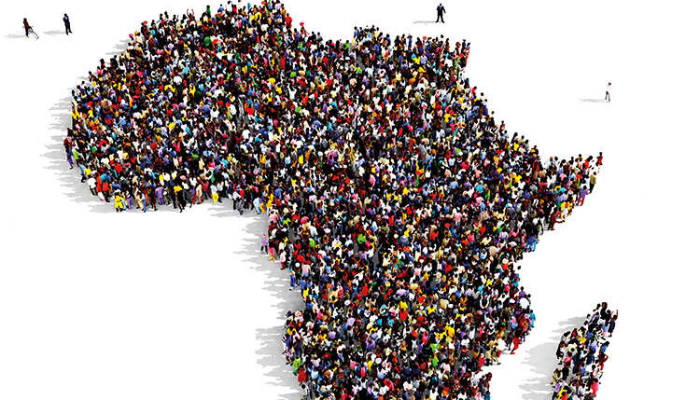
Africa is at a turning point. You can feel this incredible energy; the economies are getting stronger, there’s so much innovation coming from our young people,, and there’s a drive for things to get better. This new time is opening doors for partnerships that can transform things, especially when we talk about using technology to improve how people get healthcare across the continent.
“These things that might seem totally different aren’t at odds; they’re proof of how Africa can hold so many identities at once.”
Now, this journey, like anything important, has its challenges. We’ve seen good progress get knocked back, the coup in Mali showed how fragile democracy can be in the Sahel. And let’s be honest, some countries leaning towards authoritarianism, plus still relying so much on things like oil and minerals that go up and down in price, have definitely slowed down change.
What I see across Africa is this complex, layered picture. We’re at a point where we can make a tangible difference. It all comes down to truly understanding what’s happening on the ground; Africa is far from uniform. Building strong partnerships, grounded in that understanding, allows us to implement effective solutions for our communities. The old single-story view of Africa isn’t accurate; the differences between our countries are significant and growing. For example, Namibia and Angola are very different. Nigeria encompasses the vibrant energy of Lagos and the quiet strength of Sokoto. This very real complexity, when we truly understand and respect it, is the foundation for powerful and effective collaborations.
Africa lives in this amazing blend of worlds. The way urban and rural life connect, how old traditions meet new ones, and the mix of foreign and local – it’s not a difficult balancing act; it’s just the norm. These things that might seem totally different aren’t at odds; they’re proof of how Africa can hold so many identities at once.

Read also: Informal sector seen fuelling Nigeria, Africa’s inclusive growth
It’s been a real rollercoaster ride when you look at how people have viewed Africa’s future, and that mirrors the huge changes the continent has gone through. Back in those hopeful early days after independence, the first attempts at building economies often stumbled, sadly leading to internal crackdowns and a lot of disappointment. And even though you can see a long-term trend of countries opening up and adapting as new generations take the lead, progress has been slow, bumpy, and often stalled, leaving too many nations still struggling with poverty as the new century began.
The international development sector has been a constant in Africa since independence. The impact has been varied; alongside lives saved, there have been lessons learnt. Now, there’s a real opportunity to build on these lessons and move forward more effectively, especially with digital solutions. Understanding local needs and forging strong partnerships to implement sustainable, impactful solutions is key to driving genuine progress across the continent. We need lasting systems, not quick fixes. We’re seeing this play out beyond healthcare too – look at how mobile money platforms have revolutionised financial inclusion for millions who were previously unbanked.
The landscape of African development is certainly dynamic, constantly evolving with new data, tools, and ideas coming into play. And Africa remains a critical focus, holding both incredible potential and significant challenges. What’s clear, though, is that the old model of development funding is shifting. The global economy is changing, new partners are emerging, and the resources available for African initiatives are more diverse than ever before.
For us, this evolving landscape presents an opportunity. It’s about forging smart partnerships that leverage this wider range of resources and innovative approaches to tackle the specific healthcare needs we see across the continent.

Africa itself is undergoing a profound transformation. A new generation of business and political leaders is emerging, seizing new opportunities with unprecedented assertiveness. This is an undeniably exhilarating time to be engaged in the field of African development.
When looking at African opportunities, remember the narratives vary widely, from very positive to very negative. The reality is rarely extreme. The challenges are real, but it’s important to understand the context behind amplified portrayals. A nuanced understanding is key to grasping the genuine complexities and immense potential that exist here. For businesses looking to engage, this means moving beyond traditional aid models and exploring strategic investments, creating sustainable value chains, and fostering local talent – these are the connections that truly empower.
What you quickly realise working in African development is that it’s not one single conversation. You have passionate advocates, driving awareness and engagement through powerful stories. Then you have the academics, laying the groundwork with critical theories and analysis. And on the ground, you have the practitioners, often wrestling with the day-to-day realities of complex systems and bureaucratic processes. Real progress, the kind that truly shifts the needle, comes when we can bridge these different perspectives, understand where they connect and build from that common ground.
The key takeaway here is that African development isn’t a simple A-to-B. It’s a rich, complex story with progress, setbacks, and incredible variations. For you executives wanting to engage meaningfully, you need to dig beneath the surface and understand these nuances. It’s by moving beyond those black-and-white narratives and embracing the complexities that we can forge genuine collaborations and build a brighter, more equitable Africa.
Ota Akhigbe is a strategic partnerships connector and a recognised leader in African development, committed to fostering impactful collaborations for sustainable progress across the continent.