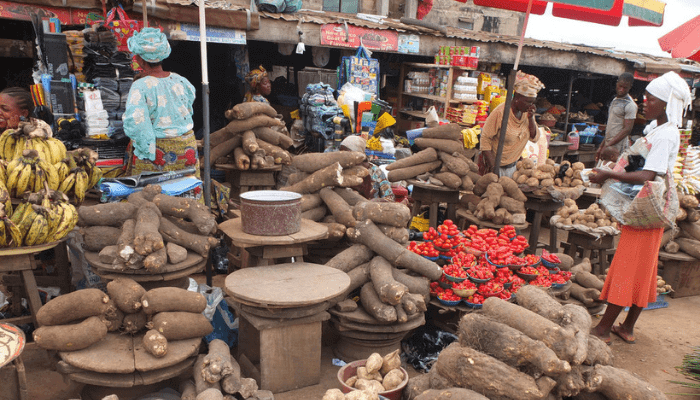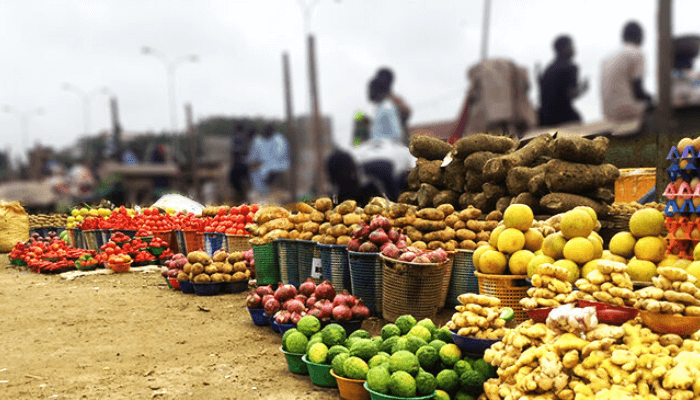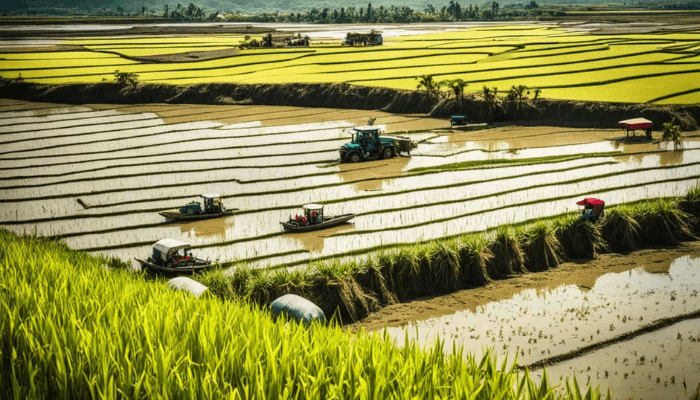
The economy of many nations, especially the majority of developing nations like India, depends heavily on agriculture. The main source of jobs, revenue, and food in emerging nations is agriculture. In these nations, the majority of the population works in agriculture. Over 50% of people in India are employed in agriculture or related fields.
The Food and Agriculture Organisation estimates that 67.5% of the population works in agriculture. The agricultural situation varies from one country to the next. Reputable agricultural nations are chosen based on their contributions to the agricultural sector.
Agriculture plays a major role in the global economy, which supports the livelihoods of billions of people worldwide and supplies food and other essentials. In addition to having substantial agricultural sectors, the top ten countries produce a wide range of crops and livestock products.
According to Niche Agriculture, here is the list of the top 10 Agricultural countries of the world:

1. China
China’s agriculture industry has experienced substantial modernization and change in recent decades as a result of government initiatives to boost output, upgrade infrastructure, and open up new markets. As a result, agricultural production has significantly increased, especially for fruits, vegetables, and cereals.
China is the world’s biggest producer of a wide range of agricultural goods, such as cotton, soybeans, rice, wheat, corn, potatoes, and tobacco. With so many pigs, chickens, and ducks farmed for their meat and eggs, livestock production also plays a big role in China’s agricultural economy.
2. United States
Since the beginning, agriculture has been essential to the American economy and culture. Millions of Americans are employed in the agricultural sector, which ranks among the top producers and exporters of agricultural goods worldwide.

American agriculture has changed as a result of modern farming methods and technology. Farmers now use sophisticated equipment and methods to boost productivity and yields.
The U.S. government contributes significantly to the agriculture industry by subsidizing infrastructure, research, and development, as well as by putting regulations and initiatives in place to help farmers manage risk and maintain their competitiveness in the global market.
A vast variety of crops and livestock are cultivated in various parts of the United States, contributing to the country’s diversified agricultural economy. Cattle, pigs, sheep, and poultry are examples of animal production, while corn, soybeans, wheat, cotton, and fruits and vegetables are examples of major crops.
3. Brazil
Brazil’s economy and jobs are heavily reliant on agriculture, making it one of the most important industries in the nation. Brazil produces and exports a wide variety of crops and cattle, making it a major producer of agricultural commodities worldwide.
Brazil’s agriculture industry has had several difficulties recently, such as soil erosion, water scarcity, and deforestation. The agriculture industry continues to play a significant role in Brazil’s economy and in the production of food worldwide in spite of these obstacles.
Because of its tropical environment and wealth of natural resources, the nation is well-suited to produce beef, chicken, and pork in addition to crops including corn, soybeans, coffee, sugarcane, and citrus fruits. In addition to being a major producer of coffee, cattle, and sugarcane, Brazil is the world’s largest producer and exporter of soybeans.
4. India
One of the most significant economic sectors in India is agriculture, which employs more than 50% of the workforce and contributes over 17% of the nation’s GDP. After China, India is the world’s second-largest producer of agricultural and food items.
Subsidies, minimum support prices, crop insurance plans, and agricultural research and extension services are just a few of the policies and initiatives the Indian government has put in place to promote agriculture.
A wide variety of crops are grown throughout India, including rice, wheat, maize, cotton, sugarcane, oilseeds, pulses, fruits, and vegetables. Other significant agricultural activities include forestry, fisheries, and livestock husbandry.
5. Russia
Russia’s economy depends heavily on agriculture, especially in the Black Earth region, which is regarded as one of the most prolific agricultural regions in the world. Russia boasts enormous tracts of rich land.
A number of policies have been put in place by the Russian government in recent years to encourage the growth of the agricultural industry. Additionally, the government has supported domestic agriculture by enacting export subsidies and import restrictions.
Russia’s agricultural industry is broad, with a variety of crops cultivated all around the nation. Potatoes, vegetables, sunflowers, soybeans, corn, wheat, barley, and sugar beets are among the principal crops. Fisheries, forestry, and livestock husbandry are all significant aspects of the agricultural industry.
6. France
The French economy is heavily reliant on agriculture, which employs roughly 3% of the labour force and contributes roughly 1.7% of GDP. Among the top producers of agricultural products in the world and the European Union is France.
The French government has put in place a number of measures to encourage the growth of the agriculture industry. The nation has a long history of organic farming and has put laws in place to support sustainable farming practices.
France’s agricultural industry is broad, with a variety of crops being produced all around the nation. Wheat, corn, barley, sugar beets, potatoes, fruits, and vegetables are the principal crops. The rearing of livestock, such as pigs, sheep, cattle, and poultry, is another crucial aspect of the agricultural industry. France is renowned for its superior agricultural goods, such as cheese, wine, and other dairy items.
7. Mexico
About 13% of Mexican workers are employed in the agricultural sector, which contributes roughly 3.8% of the nation’s GDP. Mexico is renowned for its exports of fruits, vegetables, and cattle and is one of the world’s top producers of agricultural goods.Severalf measures have been put in place by the Mexican government to encourage the growth of the agricultural industry. Programs to support small-scale farmers and advance sustainable agriculture have also been put in place by the government.
A variety of crops are grown throughout Mexico, demonstrating the country’s diversified agricultural economy. Corn, beans, wheat, sorghum, tomatoes, avocados, citrus fruits, and coffee are among the principal crops. Raising livestock, such as pigs, chickens, and cattle, is another crucial aspect of the agricultural industry.
8. Japan
Japan’s agricultural sector is highly regulated, with the government enacting policies to support farmers and ensure the safety and quality of agricultural products.
The country’s most important crop is rice, and the government has implemented policies to support its production, including price controls and subsidies. Other major crops include vegetables, fruits, and livestock products like beef, pork, and chicken. Agriculture, which employs about 3% of the workforce and accounts for about 1% of the country’s GDP, is concentrated on high-value crops like rice, fruits, and vegetables.
9. Germany
The German economy is heavily reliant on agriculture, which employs around 1.5% of the labour force and contributes roughly 0.84% of GDP. Germany, which is well-known for exporting fruits, vegetables, and grains, is one of the top producers of agricultural goods in the EU.
The German government has put in place a number of measures to encourage the growth of the agriculture industry. Additionally, the government has put in place initiatives to support small-scale farmers and advance sustainable agriculture.
Numerous crops are grown throughout Germany, demonstrating the country’s vast agricultural economy. Wheat, barley, sugar beets, potatoes, fruits, and vegetables are the principal crops. Raising livestock, such as pigs, poultry, and cattle, is another crucial aspect of the agricultural industry.
10. Turkey
Turkey’s economy depends heavily on agriculture, which employs about 14.64% of its workforce and contributes roughly 7% of its GDP. Turkey has a rich agricultural heritage and grows a wide variety of crops. It is also a major exporter of agricultural products, especially tobacco, dried fruits, and hazelnuts. Turkey’s agricultural exports are significant for the country’s economy, and the government has put policies in place to encourage the growth of the export sector.
Turkey’s main crops include grains like wheat, barley, and corn, as well as fruits and vegetables like tomatoes, peppers, grapes, and citrus fruits. Livestock rearing, including cattle, sheep, goats, and poultry, is another important agricultural sector.