|
Getting your Trinity Audio player ready...
|
Many states are trying hard to make potential investors see their areas of comparative advantage, particularly as monthly disbursements from the country’s revenue fall short of their financial obligations.
But even at that, bureaucratic settings have a way of making the process of getting started with agric investments rather frustrating for prospective investors.
BusinessDay, however, gathered exclusively from Godwin Obaseki, the Edo state governor, that an agriculture masterplan being put in place, appears to place oil palm at the top of the state’s agricultural agenda, with Rubber, Cassava, Soyabean, and other commodities also getting attention.
The state, indeed, appears to be doing well with some cash crops already, notably oil palm which has seen Nigeria’s biggest companies in that sector growing even more. At least two of the companies reaping the oil palm windfall are based in Edo; Okomu Plc and Presco Plc, and the state is perhaps well positioned for more oil palm plantations in bridging the country’s deficit.

Okomu’s share price as shown by Bloomberg data has, within a year, gone from N50.90 on May 24, 2017, to N82.30 at the close of trading yesterday, May 23. The 61.68 percent increase in share price Year to Date, is also applicable to Presco, which has seen its stocks appreciate by 55 percent. Its share price has moved from N48.13 to N75 in one year.
The Agriculture Promotion Policy document by the Federal Ministry of Agriculture and Rural Development, estimates the country’s production to be 4.5 million metric tonnes, while demand is 8 million metric tonnes, leaving a 3.5 million deficit. The deficit however appears to be in dispute, at least according to the Plantation Owners Forum of Nigeria (POFON), which thinks the deficit is lower and more in the region of 1 million metric tonnes. But the bottom line is; there is a deficit, and it needs to be filled.
At some point in 2017, Nigeria was reported to have imported 450,000 tons of palm oil at the cost of N116.3billion, making quite a number of people raise concerns on the enormity of importation. But then, considering the country’s deficit is at least 1 million metric tonnes, and possibly as high as 3.5 million metric tonnes, complete figures of what is incurred importing could be even more shocking.
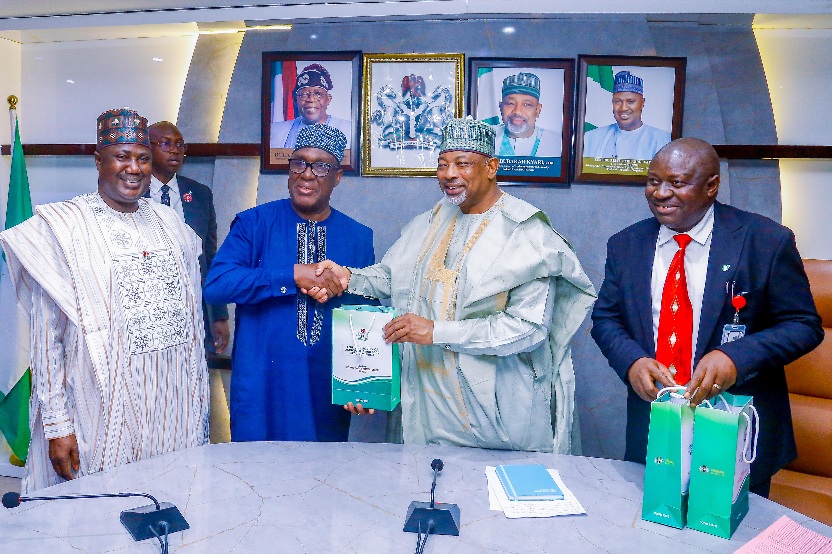
Obaseki told BusinessDay that the state is “currently finalizing the master plan on agriculture with specific reference to oil palm. We have an institution from Indonesia that is working with us on this. Once it is completed, we would have identified the areas where we want to allocate land for oil palm. We would have finalized communication action programme with the communities involved those areas.
“We would have infrastructure plan so that when we publish for expressions of interest, people would apply and then we work with them on how to make investments. We want to use that as a model to help investors reduce the risk, rather than just give them land.

“What we’d rather do is that once we’ve mapped out an area, the soil is good, and we have decided on what can be done, we will then construct the road into that area. We would have spoken with the community on the business for cooperation, and then you can go in there and do your business,” he said.
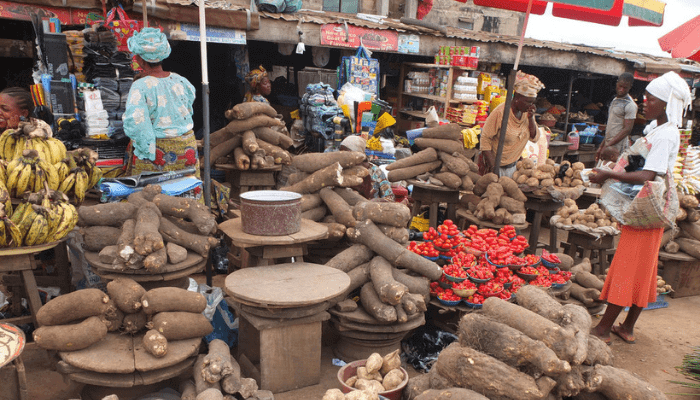
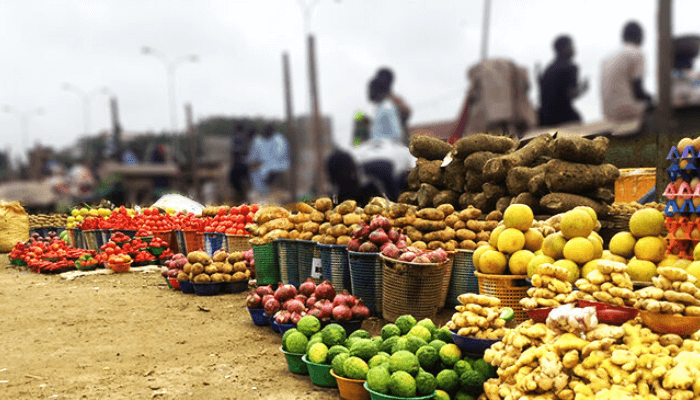
Obaseki also noted that the state will be focusing on high value crops like oil palm, rubber, and cocoa to an extent, then Cassava in terms of tubers, for grains; soybeans, then fruits, and legumes.
The governor also noted that the state has different entry channels for potential investors, such as – the special adviser on agriculture; the ministry of agriculture; the Public Private Partnership office, and the Business Bureau.
Through either of these avenues, potential investors can get information on whatever area of agriculture they want to invest. And in making this even better, he explained that the state is being mapped out to determine what commodities do well in Edo state.
“Fortunately we have enough information and data, soil analysis, rainfall pattern, agronomic reports to help would-be investors have enough information to make enlightened decisions on what to do,” said Obaseki.
Aliko Dangote, president of the Dangote group, and Africa’s richest man, had said at the conclusion of last year’s Edo Investment Summit, that “a state like Edo should move on and concentrate on agriculture, bring prosperity to your people better than oil can. With oil you don’t get the revenue, but with agriculture, the prosperity starts from the state and then it spreads to the rest of the country. This is what I think they should do. Edo can mobilise and the governor is capable.”
CALEB OJEWALE