The world’s top three platinum producers warned yesterday that a wage strike lasting more than eight weeks in South Africa had cost them $1bn in lost revenues and was making mines and shafts unviable.
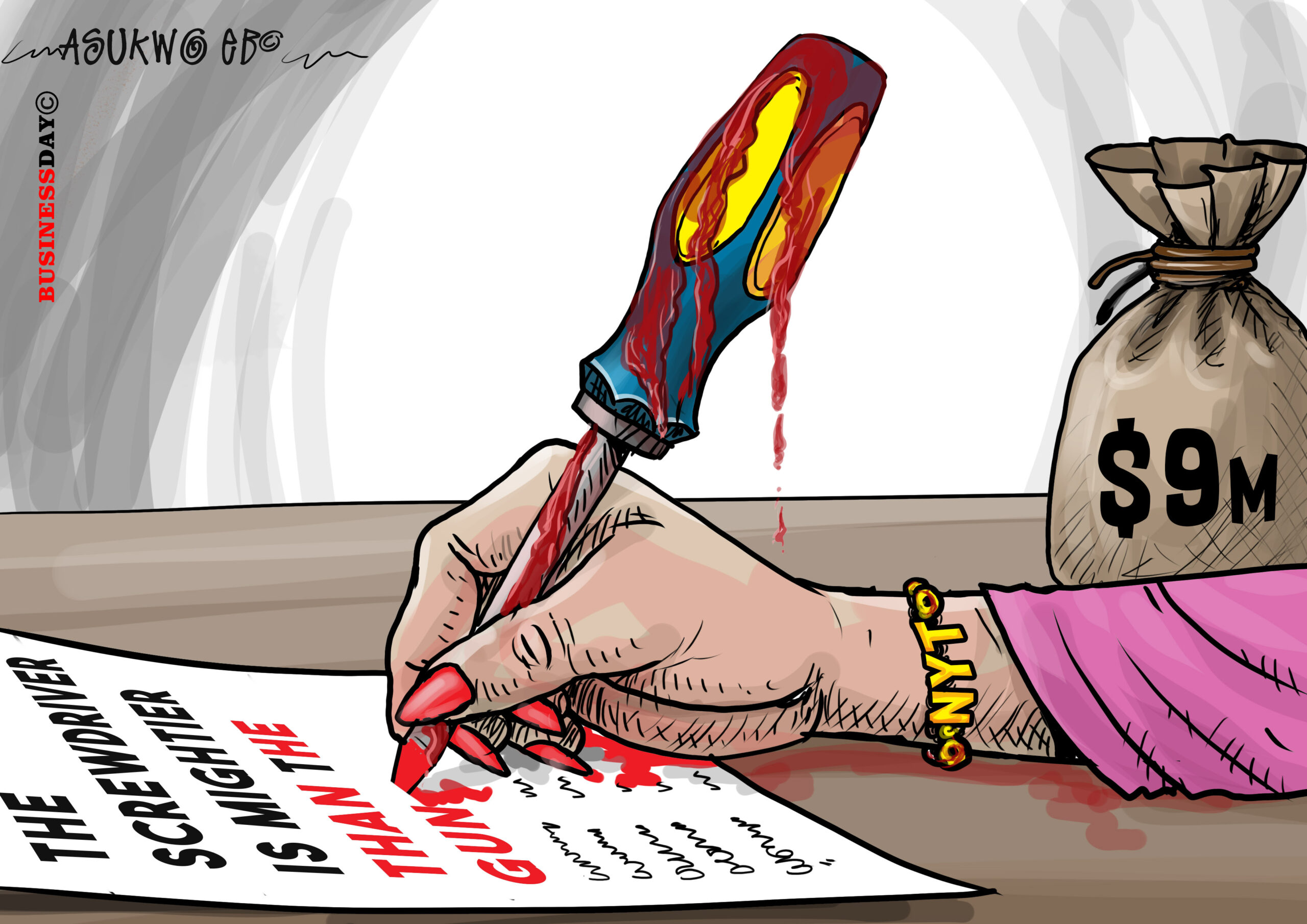
Anglo American Platinum, Impala and Lonmin said the strike had reached a stage “where some of its impacts are becoming irreparable”. The trio had combined annual revenues of about $9bn in their last financial year.
The industrial action began on January 23 and it has become one of the most sustained and costliest in South Africa’s history as tens of thousands of workers down tools in the world’s richest platinum belt.
“Mines and shafts are becoming unviable; people are hungry; children are not going to school; businesses are closing and crime in the platinum belt is increasing,” the three companies’ chief executives said in a joint statement.

They said the strike had cost the companies more than R10bn in lost revenue and the striking miners more than R4.4bn in lost wages. Yet talks between the producers and the Association of Mineworkers and Construction Union (Amcu), the upstart union that called the strike, have been suspended since the beginning of the month as both sides play hardball.
Amcu, the dominant union in platinum, has been demanding a more than doubling of the basic monthly wage of an underground miner to R12,500.
The companies counter that the demand is unrealistic, insisting that nearly half of platinum operations in South Africa were failing to break even before the industrial action began. Their last offer included increases of up to 9 per cent and was rejected by Amcu.
The union tabled a revised offer that the producers said would equate to a basic wage increase of between 25 per cent to 35 per cent year-on-year over a four-year period. But that was rejected.
Amcu argues its demands are necessary to give miners a living wage and improve conditions that are a legacy of the dire treatment of miners under apartheid. The executives said “many steps have been taken towards remedying” those issues, while acknowledging that “more needs to be done”.

But they urged Amcu to “return to the negotiating table ready to seek an affordable and sustainable solution”.
South Africa is home to about 80 per cent of the world’s proven platinum reserves, and the longer the strike lasts the greater its impact on global supply and prices.
Since it began, platinum has stayed around $1,450 a troy ounce, only rising briefly to $1,485 earlier this month.
However, as the strike depletes companies’ stockpiles the price could be pushed up.
“We are already getting to the stage from an industry perspective where the metal is becoming tight and so we should be seeing some price movement from here,” said Johan Theron of miner Impala.
Platinum is still available on the open market due to overproduction in the 2000s.
FT