Media practitioners, communication scholars, and editors, Wednesday, canvased for increased synergy between the newsroom and the classroom and the need for the training and re-training of journalists in the country.
They spoke at the event, convened by Professor Ralph Akinfeleye and the UNESCO/World Journalism Education Council (WJEC) and hosted by the Mass Communication Department, University of Lagos (UNILAG).
The participants expressed concern about the state of the profession, saying that experienced practitioners could go to the classroom to lecture and communication lecturers also go to the newsroom to share knowledge.
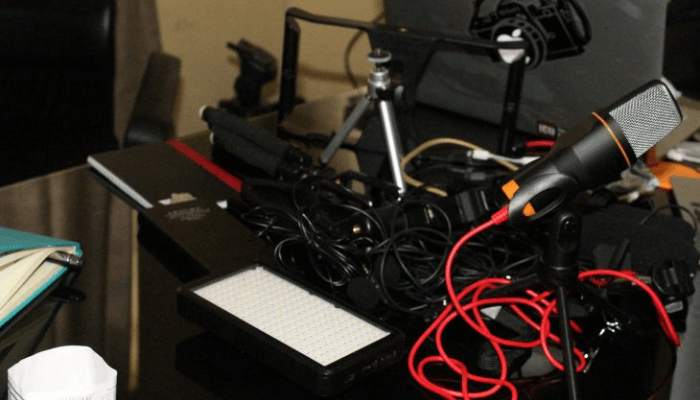
They said that capacity building was crucial to bridge the gap between the town and gown, however, they stressed that one of the issues facing journalism practice in Nigeria is the lack of standard equipment and technologies to aid learning in the field.

Chairman of the event, and former governor of Ogun State, Olusegun Osoba, lamented the increasing number of fake journalists and poor news reportage, he, however, urged the Nigeria Union of Journalists (NUJ) to provide checks by registering bloggers to check the excesses of social media users.
Read also: Expectations as stakeholders build support for affordable housing
He kicked against moves to regulate the media by the federal government, saying that the media was capable of regulating itself.
Oluwatoyin Ogundipe, vice-chancellor of UNILAG bemoaned the spate of negative stories about Nigeria among media practitioners while urging that more efforts should be concentrated on positive stories about the country.
Gbenga Adefaye, provost, Nigerian Institute of Journalism (NIJ) and General Manager, Vanguard Media Limited, Gbenga Adefaye, said that journalism had changed greatly from what it used to be, adding that today’s journalists must be tech-savvy.

Also, Jimi Awosika, vice chairman of Troyka Holdings, who was the special guest of honour, representing the Chairman, Biodun Shobanjo, stressed the need for communication graduates to develop new skills, innovations to excel in the labour market and their profession.
Similarly, Armstrong Idachaba, former acting director-general of the Nigerian Broadcasting Commission, while seeking better learning tools, added that the profession must urgently move back to the days where there was a closer collaboration between the classroom and the newsroom to bridge the gap.
According to him, most universities start a mass communication department without facilities. So, basically, they are setting them up just for the numbers and for them to get revenue thereby producing substandard graduates.
“There is a mandate that campus broadcasters must provide a studio used to train not only in broadcast but also engineering technologies, create arts and practice of language skills among others.
“In the department it must be useful for practical presentations, departments are supposed to provide staff to carry out periodic supervision for students who are going to access the equipment, and as we can see today to some extent few universities like UNILAG is an example.”