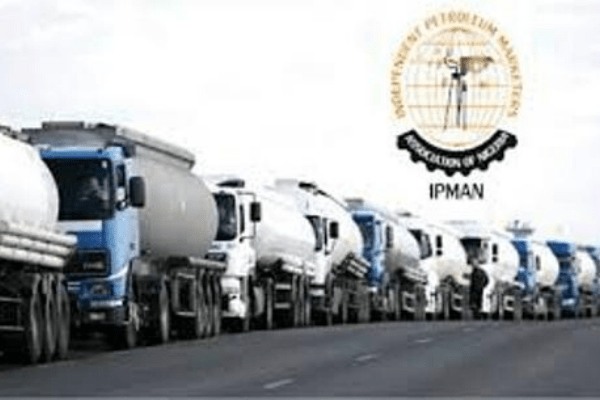
Stakeholders in the downstream petroleum subsector of the oil and gas industry have raised concerns over the inability of the government to allow for the inter play of forces of demand and supply in determining the pump price of Premium Motor Spirit or petrol .
They said this against the background of the recent statement by Chris Ngige, Minister of Labour and Productivity who said the pump price of the commodity is to be fixed at N162.44 per litre.
They said the instability in government policies in respect of the pump price of petrol is causing the Nigerians masses a lot of hardship..
Olaitan Philips, a leader of non-governmental organisation and also the Convener, “Lets Do It Right”, said, that the announcement by the Minister of Labour indirectly means that Nigeria will soon be back to the era of petroleum subsidy.

According to him, the Government had spent over N10 trillion in the twelve years up to 2018, spending a staggering unbudgeted N1.1 trillion on petroleum product subsidy in 2019 alone.
Many pertinent questions arise from this pronouncement by the Minister of Labour and Employment,. Chris Ngige, he said.
He said : “Should petrol pump prices really be fixed by mere negotiations between the Government and Labour? . The pronouncement was abrupt and unanticipated considering there were no consultations with the fuel distributors and the business community that this change of direction impacts.
He said the negotiation between Government and Labour, arriving at a deduction of N5 does not take into consideration the current rise of international prices for petroleum products and the deteriorating foreign exchange rate.
Also, a Financial expert, Anderson Julius, was of the view that the approach of negotiating petrol pump prices between Government and labour without the involvement of investors further diminishes investor confidence, setting an unprofessional precedent that will be difficult to set aside when parameters that constitute the pump price of PMS rise again.

Read also: Average price of petrol increases by 10.79% in October – NBS
Anderson Julius pointed out that while it is clear there are many Nigerians struggling with the economic downturn, loss of jobs and uncertainties for the future, a more direct intervention from the Government would alleviate the immediate challenges Nigerians are currently facing.
According to him, direct social programs in small and medium scale businesses which employ the majority of Nigerians would have a more immediate positive impact on Nigerians.
“Watching the Government move from having announced a policy objective and itemizing its several benefits and suddenly change its mind with this recent pronouncement under pressure from Labour, does not breed a lot of confidence in what government had said previously or its capacity to lead Nigeria out of this economic quagmire.
This policy flip flop,he stated, will obviously negatively impact investors confidence in government policies,” he added.
Badru Sadiku, another Financial Analyst simply asked, is subsidy coming back?
He also wondered what as happened to the alleged massive corruption Government had said subsidies cause and the government promise of eliminating massive corruption no longer important.
Sadiku said that Nigerians were promised a better deal with deregulation and wondered if the government was deceiving us then going by the recent pronouncement.
Nigeria cannot keep dilly dallying as regards policies that will ensure the growth of the economy and the liquidity for the Government to be able to fix the mirage of problems and pains Nigerians are reeling from, he added.
He said that Government had earlier stated that one of its major economic achievements was the successful deregulation of the downstream petroleum sector, opening the sector up for new investors to invest and improve the sector which will ultimately positively impact the Nigerian economy.
He reiterated that the promises made by Government must be tracked and the Government held to account.
Nigeria cannot keep dilly dallying as regards policies that will ensure the growth of the economy and the liquidity for the Government to be able to fix the mirage of problems and pains Nigerians are reeling from, he added.
This decision of the Government opens the door to huge loss of revenue and increased debt at a time it is most ill-equipped to make such expenditure, with the need for huge resources required to address the economic recession worsened by the COVID-19 Pandemic.
The Government has declared 2020 the year of gas and has through the National Gas Expansion Programme (NGEP) started the deepening of the use of gas across the country as alternatives to power and heating, power vehicles and cooking.
The gas expansion programme is a well thought out programme that will impact Nigeria and Nigerians soon.
This is a critical juncture for Nigeria and the right decisions need to be made to ensure a prosperous future.