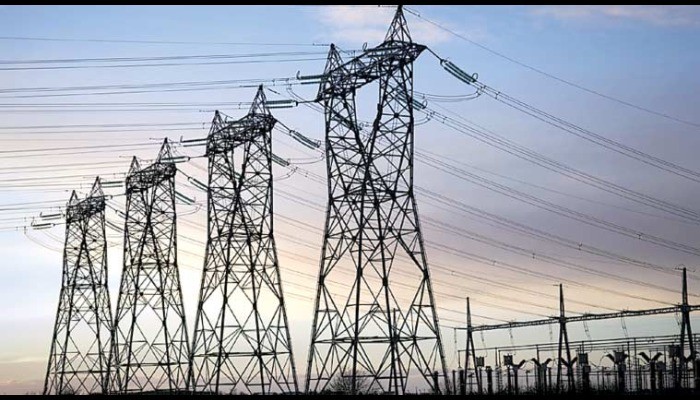
Amid the growing uncertainties in the power sector, industry experts have identified unity amongst stakeholders and the provision of a business-friendly economic environment conducive for investment as the solution to the sector problems.
In their various summations at the recently organised Future energy conference in Lagos, they observed that the biggest challenges facing the energy sector across Nigeria are reliable access to electricity and the shortfall in energy generation. A stable and reliable electricity supply is vital to economic development and growth. Forward-looking state governors are proactively developing infrastructure and anticipate continued investment in the short and medium-term.
John Donnachie, managing director and chief executive officer, Ibadan Electricity Distribution Company said the challenges of power in the country centres around illiquidity in the sector and the non-viability of power generation due to the non-payment of tariffs by end-users of power.
READ ALSO: Plunge in global oil prices, political uncertainty threaten FG’s push for increased oil output

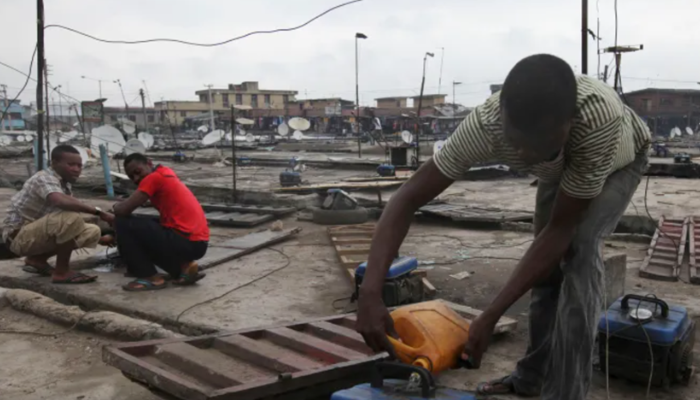
Donnachie said this has led to the inability of generic companies to maximise installed and generating capacity. The foregoing has fed a vicious cycle of underperformance in the industry, as generation companies are unable to make payments to gas suppliers, and end-users bear the inordinate cost and responsibility of private generation of power through generation sets.
Imo Ekpo, Principal Partner at Micek Consult in Nigeria is of opinion that the power industry will get to a stage where government participation in the sector is completely on regulation while private investments are attracted owing to the enabling environment.
The Nigerian government is aiming to increase this to 75 per cent by 2020. However, it is expected that there should be an investment in infrastructure and the development of more reliable and stable supplies to create many new opportunities in the short and medium-term.
READ ALSO: Power sector in Nigeria: Time for a complete overhaul
Close to 90 per cent of government revenue comes from oil; fluctuation in the oil price has reduced available investment for projects. Currency deflation and deregulation is also a challenge o the power sector However, the good news is that external investment in electricity projects is still high. States are still attracting investment from major consortiums so that infrastructure development projects can continue to be implemented.

According to analysts, “Continued infrastructure development also presents the opportunity for utilities into future- proof networks. By moving away from traditional design models towards more active network management, utilities can take into account the challenges presented by the growth of. Distributed energy resources”
They pointed out that apart from the foregoing; vandalisation of gas pipelines which hamper the adequate supply of gas to power plants has plagued the current power climate in Nigeria. “Another evident issue relates to foreign exchange issues. The international currency for the purchase of gas is in United States Dollars and the current economic climate in Nigeria has experienced a scarcity of dollars in trade, which has impacted the ability to purchase Gas,” Analysts said.
KELECHI EWUZIE