Stakeholders in the country’s supply chain are canvassing for strategic partnerships in the industry to drive growth and development.
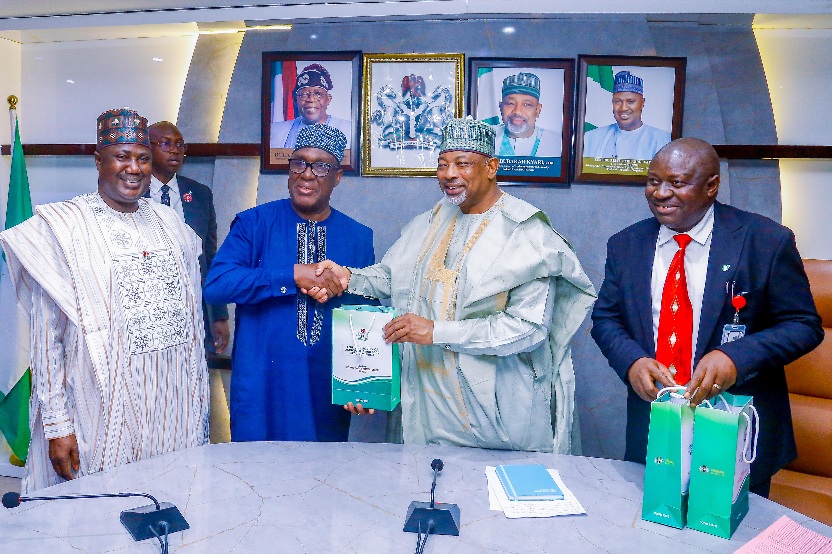
The stakeholders made this known at a breakfast meeting theme ‘The Supply Chain Strategic Partnership: An Ideal Business Solution for Entrepreneurs’ organised by the Nigeria-Indonesia Chamber of Commerce and Industry and sponsored by Inland Containers Nigeria Limited (ICNL), a leading logistics company in Nigeria.
Ismail Yusuf, CEO, ICNL – a company that has been in this business of supply chain for 43 years, defined supply chain strategic partnership as “working with other allied companies that are in the same business with us.”
“Terminal operators, freight forwarders, will need to partner with those who want to ship goods out of the country or import goods to the country. Transport companies will have to partner with shipping companies and other terminal operators,” he added.

This kind of arrangement, according to Yusuf, is a continuous thing that will involve all organisations across value chains.
Speaking on the need for supply chain transparency, he said it is beneficial and that collaboration of parties boosts the bottom line. For him, “the longer you work with someone, the better it is for your business.”
He encouraged transparent collaborations between manufacturers, distributors, retailers and transporters saying “we will expect interfacing that has to do with collaborating, planning, forecasting and replenishment needed amongst supply chains network and of course in import and export supply chain.”
In the last few years, the Nigerian supply chain has been obstructed by several challenges ranging from COVID-19, the Russia-Ukraine war, local rioting, and the recent fuel and naira scarcity.
Akintunde Folorunso, coordinator of the Nigerian Export Promotion Council, Lagos explained that some of these underlying challenges are the basis for specific problems that disrupt supply chain businesses.

Folorunso cited poor infrastructure as a critical disruptive element to supply chain business in the country.
He drew on the case of a cocoa butter cargo moved from Ileluji in Ondo State to Apapa Port that melted on the way due to poor infrastructure.
According to stakeholders, another major challenge to the industry is lean processing and export.
John Alamu, managing director of Capital Sage, Johnvents Industries Limited’s holding company, said only 10 percent of Nigeria’s cocoa is processed.
“90 percent is exported as raw beans. We are therefore not tapping fully into the $5 billion potential value of cocoa. “The robust value chain in cocoa production is therefore calling for the attention of investors,” he added.