Nigeria’s quest for self-sufficiency in fish production is being hurt by the high rate of smuggling, which an expert has said is slowing the growth of the country’s aquaculture subsector in recent months.
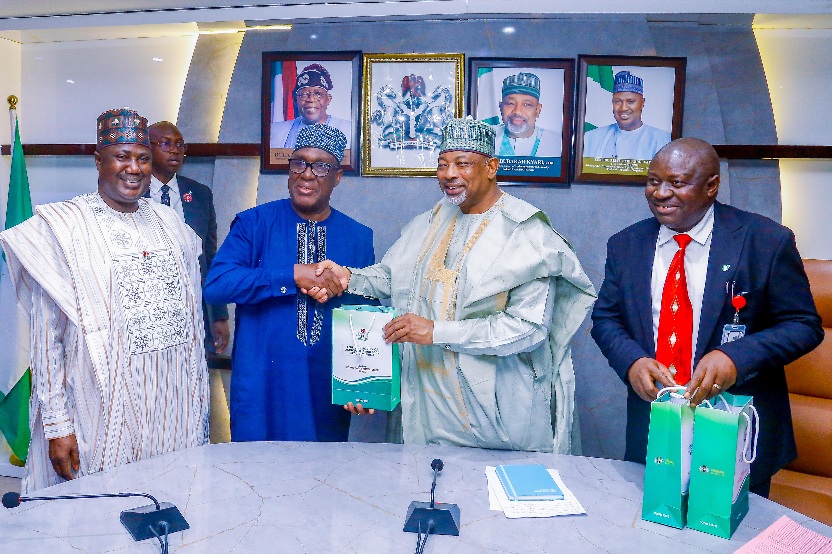
Tiamiyu Nurudeen, national vice president, Tilapia Aquaculture Developers Association of Nigeria (TADAN) disclosed this to BusinessDay on the side-line of the just concluded Agra Innovate West Africa Expo held in Lagos.
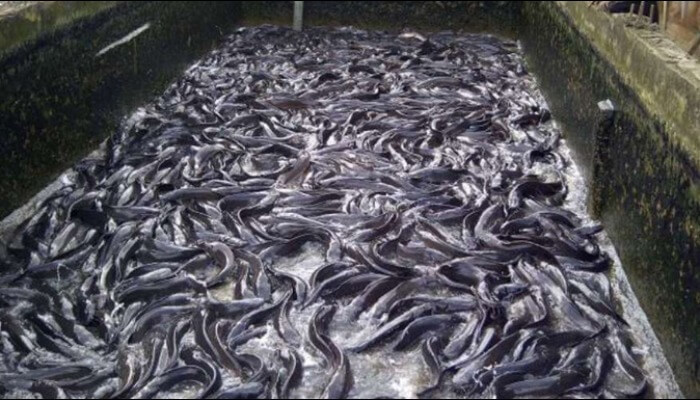
“We have tilapia and catfish on the banning list of products into the country but unfortunately we still have trucks loads of smuggled tilapia and catfish coming into the country from China through the Benin borders without any payment of tariffs,” Nurudeen said.
“This has slowed the growth in the aquaculture industry because our tilapia and catfish cannot compete favourably with the smuggled ones which are much cheaper than ours,” he added.

READ ALSO: Making millions from fish farming in 2020
He called on the Federal Government to come to the aid of fish farmers in the country, stating that the country can only boost its production in fish through aquaculture farming.
Also speaking at the event, Gbola Akande, executive director, Nigerian Institute of Oceanography said the country is currently producing over 990,000 metric tons from aquaculture and artisanal subsectors while importing about 800,000 metric tons annually.
“We have a gap of about 1.73 million MT now and the only way we can breach the gap is through aquaculture,” Akande said.
He noted that the country is losing billions of naira to illegal fishing in the country’s territorial waters as most of the fishing activities carried out is illegal, unreported and unregulated.

“The West African sub-region is losing about 2.3 billion dollars this illegal or reported or regulated feature because a lot of Chinese vessels and so many vessels are coming but we don’t have the capacity to monitor the entire West Africa region and that is why the Nigeria Navy in collaboration with all other west Africa sub-region to stop this cause,” he said.
READ ALSO: Lagos to establish N10bn aquaculture centre, empowers 2,743 farmers
Nigeria’s aquaculture industry is largely untapped and beset with a combination of worsening piracy attacks, poor access to credit, lack of the requisite technical skills, unavailability of good quality and moderately priced fish feed, as well as lack of direct investment.
Nike Akande, President, Lagos Chamber of Commerce and Industry (LCCI) in her keynote address advocated for the need for farmers in West Africa to make use modern tools and improved seed varieties to guarantee sustainable food production in the region.
“To unlock the potentials in the agricultural sector, we need to understand their peculiar attributes, challenges, opportunities and diversity of uses. A bulk of agricultural trade within and across West Africa remains informal, dealing with primary products,” Akande said.
She stressed that hundreds of tons of such commodities move daily from major markets such as Dawanau in Kano, Maigateri in Jigawa, Illela in Sokoto, Yauri in Kebbi, to neighbouring countries without official data of transactions.
She added that the conversion of currencies for their transactions is done in black markets and so the government loses the opportunities to capture the data on such transactions.
Josephine Okojie