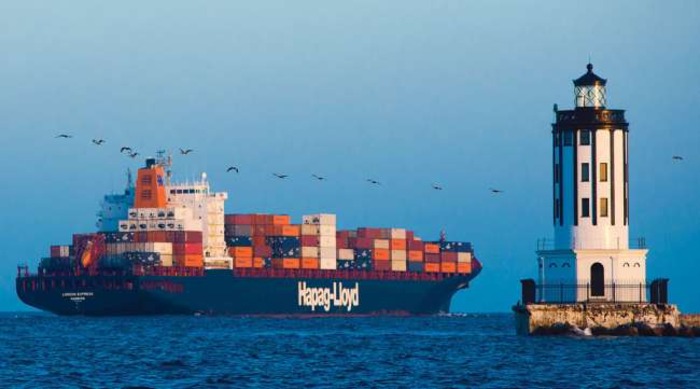
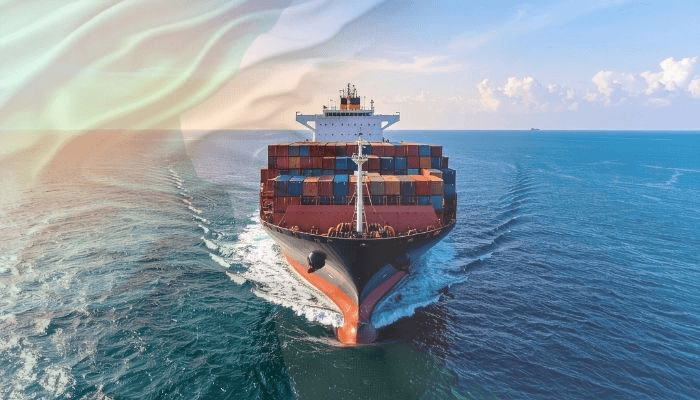
Nigerian shipowners, under the aegis of Nigeria Shipowners Association (NISA), are in serious talks with shipowners in Greece, Turkey and America on ways to develop the capacity of indigenous shipowners and position them to fully benefit from the nation’s lighterage operations, largely dominated by foreign owned vessels.
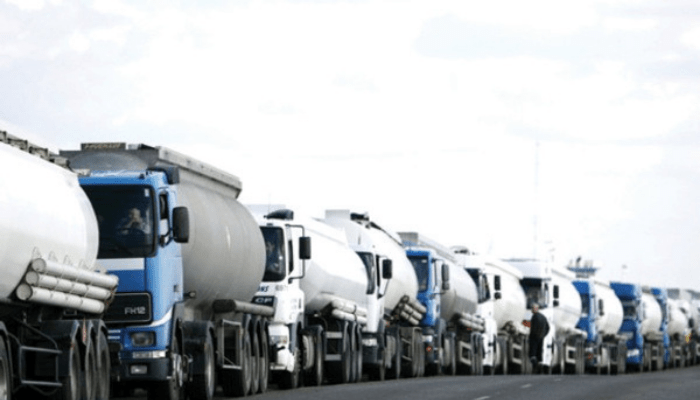
The volume of Nigeria’s lighterage operations, which is the shipment of imported petroleum products from the mother vessels that are docked at offshore Lome or Cotonu using small tanker vessels into Nigerian ports, is estimated to stand at the volume of 1.8 billion litres per month.
Speaking with newsmen Tuesday in Lagos, on the steps taken by the new executives of NISA towards ensuring that its members are gainfully employed, Olaniyi Labinjo, president, NISA, who notes that Nigeria loses about N5.4 billion monthly (amounting to N648bn annually) to lighterage operations, said the economy will regain the lost if the members benefit from the planned deal and Nigerians were allowed to take over these jobs.
According to him, NISA has signed a memorandum of understanding with Greek shipowners, which will enable Nigerian shipowners to develop Nigeria’s cabotage trade and create jobs for Nigerians through vessel acquisition.

Nigerian shipowners, he pointed out, are also on the verge of perfecting its partnership deal with Americans to ensure shipowners get their businesses right.
“The government has given us assurance that only Nigerian registered and flagged vessels would be allowed to conduct the lighterage operations as stipulated in Cabotage Act that is why we are going out to secure ships for these operations through collaboration with Greek, Turkish and American counterparts.
“Nigerian banks are also in support and the ships will be acquired by shipowners after the bareboat charter period,” he said.
Continuing, he said: “Our maritime domain is largely infested by foreign owned ships, despite the prohibitions by the Coastal and Inland Act (Caboatge) and we are passionate about our members benefitting from the nation’s coastal trade. Indians, Philippines, Koreans and Pakistanis are among the top beneficiaries of seafarers onboard these foreign flagged vessels, while Nigerian seafarers remain unemployed.”