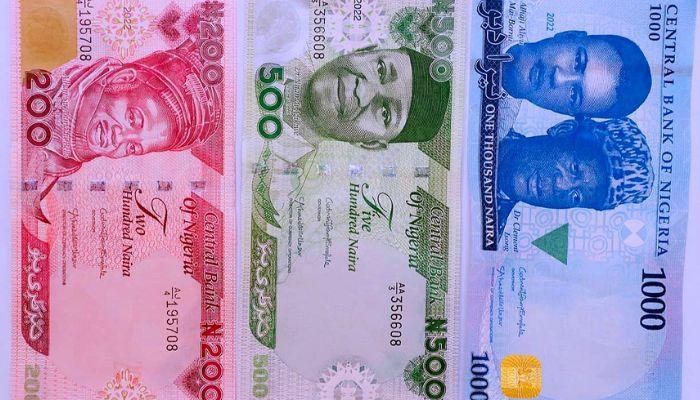
The Central Bank of Nigeria had last year unveiled new N,1000, N500 and N200 notes as part of measures to swab up excess cash in circulation, ransom payment for kidnapping, terrorism financing, counterfeiting, among others. Nigeria is following suit on the global practice to transition from predominantly cash to cashless economy.
It is of note that Nigeria is confronted with myriads of security challenges, extending from kidnapping for ransoms, money laundering and so on. It is also of significant that the abduction, which are also evenly distributed across the country, have caused a major impact on the Nigerian economy, as it has posed limitation to business and investment in the heaviest hit-areas.
A report published by Leadership revealed that Nigerians paid N653.7 million ($1.2 million) as ransom in the country between July 2021 and June 2022, a period of one year, for the release of captives.
In the ensuing period, N6.531 billion was demanded in exchange for the release of the captives while a fraction of that sum (N653.7 million) was paid as ransom. As of the exchange rates between naira and the US dollar on 1st August 2022, these figures translate to $9, 806,306.31 and $1, 126, 126.13, respectively.”

The newly redesigned naira which went into circulation recently may have snowball of security effect on economic activity especially on poor Nigerians due to cash constraint and short transitory period, in most cases putting citizens in vulnerable positions, considering the outstanding ongoing scarcity of fuel, it’s already creating a lot of inconveniences for the grassroots. Considering the unbanked and the elderly in hamlets and villages that may not cope with the development since banks are not found in rural areas.
The legal provisions confer on the Central Bank of Nigeria the right to redesign the legal tender of the country. While this exercise is in line with the provisions of section 20(3) of the Central Bank of Nigeria Act 2007, it has raised argument among citizens; many are of the view that the policy yields no vital economic growth for the populace and it is a distraction in the present economic situation.
It is also imperative to consider the ripple effects the scarcity constraint is having on citizens. The CBN has ordered the distribution of the new currency since December 15, 2022, and notes was said to have been available for withdrawal by the general public from commercial banks, but little actions have been taken on the distribution as scarcity of cash emerges amidst the ongoing fuel scarcity amounting to protests and pandemonium of citizens.
According to the World Bank, in its report, “International experience suggests that rapid demonetizations can generate significant short-term cost, with small-scale businesses, poor and vulnerable households, potentially being particularly affected due to being liquidity-constrained and heavily reliant on day-to-day cash transactions.”
Currency redesign and reissuance is done for numerous reasons, which includes mitigating insecurities, prevention of counterfeit currencies, controlling currency circulation, improving security of bank notes just to mention but few. Particularly in Nigeria redesign of currency would not only reduce kidnapping, money laundering and counterfeiting, however will also encourage a cashless economy, and stave-off cash hoarding, assist in combating banditry and ransom taking.

While provisions for periodic currency redesigns is constitutional and a standard international practice, the naira does appear to be due for it since naira notes have not been redesigned for two decades, the timing and short transitory period for this demonetization may be the only consideration demanding review from the grassroots, in particular for the poorest households.
While it is central to appreciate this development from the cashless policy point of view, we should also consider the immediate ripple security effects it could cost considering the implication on the timing factor. Recently banks in Ibadan, the Oyo capital, have been attacked following protests over lingering scarcity of cash.
While situations like this could pose security threats, perhaps potentially dangerous or disastrous, though it might be beneficial instead. More so, now that the redesign is in place, it will as well improve the use of electronic banking which will reduce the high rates of money laundering, sponsors of terrorism and illegal related activities which will help improve the Nigeria economy.
Read also: Commuters shift to digital payments as naira scarcity bites
Unfortunately, there have been so many complaints about failed transactions. Despite the fact the government is making progress to put enough structure to address some of these underlining issues, CBN should address cash scarcity amidst fuel pandemonium.
In the long term, the policy will improve the complexity of tax collections and would no doubt reduce tax evasion, support regulatory reform, improve security, judicial proceedings, increased legislative reach and coordinate fiscal and structural policies.
It will strengthen the performance of key macroeconomic parameter and equally combat social improper ties. Predominantly, it is expected to reduce the amount of cash in underground or illicit economy, truncate the activities of racketeers and eradicate rent-seeking businesses in the black market and reduce the activities of kidnappers and banditry to the barest minimum.