|
Getting your Trinity Audio player ready...
|
Leading members of the Organisation of Petroleum Exporting Countries (OPEC) Saudi Arabia and Russia are pressing fellow members to prolong the current oil supply cuts into next year.
Algeria which holds this year’s presidency said that both countries are pushing for this cut rather than tempering down.
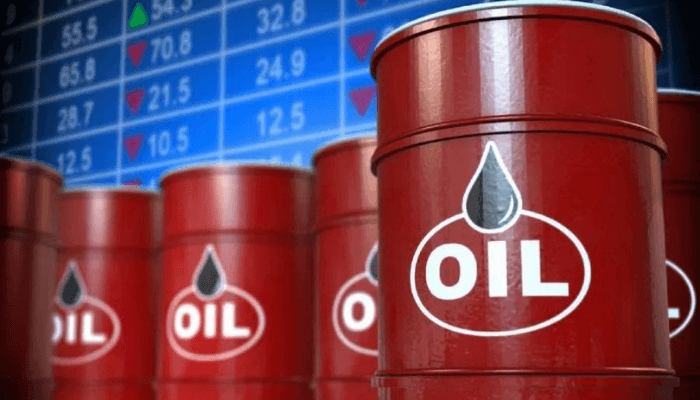
OPEC had planned to restore almost 2 million of the 7.7 million barrels of daily output slashed to deal with the supply glut. This plan could run into troubled waters as new cases of coronavirus infections and the accompanying lockdowns have pushed oil below $40.
This situation makes the plan to end output cuts untenable at this time. It is expected that OPEC will move to “accelerate” the oil recovery at its next meeting scheduled for Nov. 30-Dec 1, according to Mohammad Barkindo, OPEC Secretary-General.

Read Also: Lower oil prices create fears of another naira devaluation
The “situation in global oil markets” is “very dangerous”, Algerian Energy Minister Abdelmadjid Attar said, according to state-run news agency APS.
But supply cuts put some oil producing countries like Nigeria in a difficult position. Oil prices have fallen below $40 per barrel which is below Nigeria’s budget benchmark and raises foreign exchange availability concern and fiscal uncertainties.
Nigeria is still reeling from the effect of the last cuts which saw its production capped around 1.4 million barrels per day (bpd) despite a production capacity of about 2 million bpd.
The consequence of the supply curb is that it reduces foreign currency earnings for the country, creating higher demand for dollars and precipitating a weakening of the naira.

The Federal Government will find it challenging to settle its obligations both locally and internationally.
Of course, similar consequences could result if every oil producer were allowed to pump without restraint. The market will be flooded, prices will come down and there will be little value for money.
Analysts have counselled that Nigeria can still get value from its oil by becoming a refining hub for crude oil in West Africa, diversifying into petrochemicals, and leveraging its vast gas resources.
OPEC members Russia and Saudi Arabia pushing for these cuts are also keen on protecting their local economies.
Russian oil companies discussed with Energy Minister Alexander Novak the possibility of delaying the easing of OPEC+ output cuts by three months, according to a Bloomberg report.
OPEC and Russia also held their annual talks on Tuesday. Novak said the partnership between the producers has been instrumental in ensuring market stability, particularly during the pandemic, according to social media posts by the OPEC secretariat.
“We see a lot of uncertainties that prevent the return of economic indicators and global oil consumption to pre-crisis” levels, Novak said in opening remarks at the Russia-OPEC energy dialogue. “We see how difficult the recovery is.”