|
Getting your Trinity Audio player ready...
|
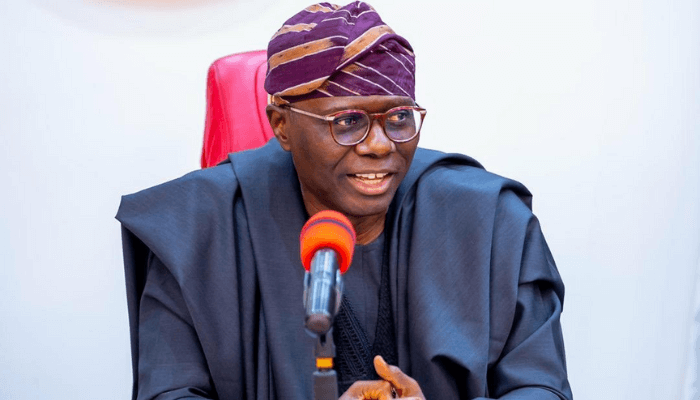
Babajide Sanwo-Olu, Lagos State governor, has signed a landmark Memorandum of Understanding (MoU) with the Bank of Industry (BOI) to enhance workplace safety standards among Micro, Small and Medium Enterprises (MSMEs) across the State.
The agreement, part of a broader initiative to promote safer, healthier and more productive work environments, also coincided with the launch of the Safety First Campaign and the unveiling of the first-ever Occupational Safety Cadre in the Lagos State public service.
Sanwo-Olu, at the third Lagos State Occupational Safety and Health Conference held in the State with the theme, “Occupational Safety and Health (OSH) as a catalyst for nation Building,” in Lagos, on Tuesday, reiterated his Administration’s commitment to promoting workplace safety, public health and environmental protection.
Read also: Nearly two-thirds of Nigerian MSMEs owners are 26–45 age group

He described the new occupational safety cadre as a groundbreaking initiative and the first of its kind in sub-Saharan Africa, noting that it would institutionalise safety as a professional discipline within the Lagos State civil service.
“For the first time, safety will not just be treated as a hard-core responsibility but as a recognized career path, complete with its own structure, training, and expertise. These steps will ensure that generations of Lagosians benefit from a professional core dedicated solely to occupational safety and health,” he said.
The State governor also highlighted the role of technology in driving modern safety standards, just as he announced the deployment of drones for surveillance, body cameras and thermal detection tools to enhance monitoring, enforcement, and emergency response.
Olasupo Olusi, Managing Director and Chief Executive Officer of BOI, in his keynote address entitled, “Occupational Safety and Health as the Catalyst of Sustainable Nation Building,” said there is overwhelming evidence that inadequate workplace safety continues to pose significant risks to workers globally.
Olusi cited studies that showed between 10% to 30% of industry workers suffer injuries, occupational diseases and health hazards on a yearly basis, which include physical accidents, exposure to harmful chemicals, long term respiratory complications, among other issues.

According to him, the consequences of work-related accidents and illnesses are profound and result in lost workdays, reduced productivity, and rising healthcare costs. He said while various African countries are ensuring safer work environment, Nigeria must position itself as a regional leader in embedding Environmental, Social and Governance (ESG) -driven safety practices across all sectors, from high-risk industries to MSMEs.
“By integrating global standards, technology, and accountability, we can build workplaces that are safe, competitive, and resilient,” he said..
Lanre Mojola, the Director General, Lagos State Safety Commission (LSSC), said the Agency realised enforcement action is reducing as compliance is increasing. He assured that the Agency would continue to increase inspection across the state as enforcement is returned.
Read also: Kano govt boosts MSMEs, distributes ₦800m to 5,384 youths
Mojola also stated that the agency would ensure that Vertical Transportation Equipment are fully enforced to the letter as Lagos continues to move on. He reiterated that over 20,000 facilities already registered have GPIS with pictorial evidence.
Earlier, Olugbenga Oyerinde, Commissioner for Special Duties and lnter-Governmental Relations, stressed that occupational and general public safety remains a top priority to the State Government, saying, “every Lagosian, deserves to live, work, and move freely without any fear.”