|
Getting your Trinity Audio player ready...
|
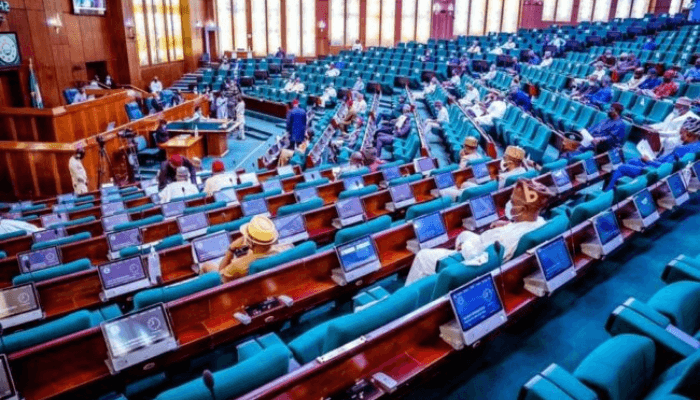
The U.S.-Nigeria Business Council welcomes the recent decision by the Nigerian House of Representatives to pass 39 constitutional amendment bills for a second reading, as reported in the BusinessDay of March 26, 2025. This development underscores Nigeria’s commitment to addressing structural challenges that have long hindered its economic potential and global competitiveness.
As stakeholders deeply invested in fostering trade, investment, and economic growth between the United States and Nigeria, we view this legislative milestone as a critical opportunity to reshape the country’s legal and institutional framework for sustainable prosperity.
While the scope of the proposed amendments is commendable, the National Assembly must prioritise reforms that directly impact trade and investment, curb corruption, reduce the cost of living, and improve the ease of doing business.
These areas are not only vital to attracting foreign direct investment (FDI) but also essential for creating jobs, alleviating poverty, and ensuring inclusive economic growth. Below, we outline key proposals for the National Assembly to consider as it advances these constitutional reforms.

Nigeria stands at a pivotal moment. With a population exceeding 230 million, abundant natural resources, and a strategic position in West Africa, the country is poised to become a global economic powerhouse. Yet, persistent barrier corruption, regulatory inefficiencies, and macroeconomic instability continue to hinder progress.
The current constitutional amendment process offers a rare opportunity to address these structural challenges head-on. We propose that the National Assembly focus on the following priority areas to deliver tangible benefits for Nigerians and international partners alike.
First, we urge the National Assembly to prioritise amendments that strengthen trade and investment frameworks. The United States remains Nigeria’s largest foreign investor, with significant stakes in petroleum, mining, and wholesale trade.
However, trade barriers—such as import prohibitions, high tariffs, and inconsistent customs practices—deter further investment and limit market access for Nigerian goods under initiatives like the African Growth and Opportunity Act (AGOA).
We propose constitutional provisions that empower states to streamline trade facilitation, aligning with the African Continental Free Trade Agreement, which Nigeria champions. Additionally, amendments should enshrine protections for foreign investors, including clear dispute resolution mechanisms and guarantees against arbitrary policy shifts.

These measures would enhance investor confidence, attract foreign direct investment (FDI), and position Nigeria as a competitive hub for U.S. businesses seeking African markets.
The legislature should prioritise amendments that protect free trade zones and special economic corridors from abrupt policy reversals. Such protections would reassure investors of long-term stability and encourage them to commit capital to projects that drive job creation and export growth.
Second, curbing corruption must be a cornerstone of this legislative agenda. Corruption remains one of the most significant impediments to Nigeria’s economic progress. It erodes public trust, distorts markets, and diverts resources away from critical sectors like healthcare, education, and infrastructure.
To combat this scourge, the National Assembly must strengthen institutional safeguards and ensure accountability at all levels of government. The U.S.-Nigeria Business Council applauds Nigeria’s participation in the Open Government Partnership and the efforts of agencies like the Independent Corrupt Practices Commission (ICPC) and the Economic and Financial Crimes Commission (EFCC), which have secured notable convictions. However, more robust constitutional backing is needed.
These bodies must operate independently, with clearly defined mandates, robust funding guarantees, and transparent oversight mechanisms. Furthermore, mandatory asset declarations for elected officials, senior civil servants, and heads of parastatals should be introduced, with severe penalties for non-compliance or false disclosures.
Read also: Reps’ constitutional amendment gambit, Senate’s house of horror’ and Jandor’s volte face
We recommend amendments that grant greater financial and operational autonomy to anti-corruption bodies, shielding them from political interference. Furthermore, enshrining transparency in public procurement and asset recovery processes would deter graft and ensure recovered funds benefit the public. Such reforms would align with U.S. priorities for good governance and create a level playing field for American firms operating in Nigeria.
Third, reducing the cost of living is an urgent priority that demands legislative attention. Nigerians face soaring inflation—22 percent as of mid-2023—and escalating food and transport costs, exacerbated by fuel price hikes and foreign exchange shortages.
These pressures strain households and undermine economic stability, deterring long-term investment. Addressing this issue requires bold legislative action to tackle inflationary pressures, stabilise prices, and enhance purchasing power. The National Assembly should prioritise constitutional amendments and complementary laws aimed at achieving these objectives.
Additionally, policies promoting financial inclusion—such as microcredit schemes, subsidised loans for small businesses, and incentives for fintech innovation—should be embedded in the legal framework. These measures would empower entrepreneurs, stimulate rural economies, and contribute to reducing income disparities.
Finally, improving the ease of doing business is critical to unlocking Nigeria’s entrepreneurial potential and fostering not only the U.S.-Nigeria collaboration but also global footprints. Nigeria’s ranking in global ease-of-doing-business indices has historically been lacklustre, deterring much-needed investments.
To reverse this trend, the National Assembly must enact constitutional reforms that streamline bureaucratic processes, protect property rights, and enhance judicial efficiency.
Equally important is the need for accountability in implementing these reforms. History has shown that even well-intentioned changes can falter without proper oversight. The National Assembly should establish a dedicated committee to monitor compliance with constitutional amendments, supported by civil society organisations and independent watchdogs.
The passage of the 39 constitutional amendment bills for a second reading represents a transformative opportunity for Nigeria to address longstanding challenges and unlock its vast economic potential. However, it is necessary to prioritise reforms that strengthen trade and investment, curb corruption, reduce the cost of living, and improve the ease of doing business.
As partners committed to advancing U.S.-Nigeria relations, the U.S.-Nigeria Business Council stands ready to support these efforts through advocacy, technical expertise, and collaboration. Together, we can build a Nigeria where businesses thrive, citizens prosper, and the nation fulfils its promise as a beacon of hope and opportunity—not just for Africa, but for the world.
Olowokere is the executive director and chief executive officer of the U.S. – Nigeria Business Council.